


From EVs and batteries to autonomous vehicles and urban transport, we cover what actually matters. Delivered to your inbox weekly.
Cities keep asking delivery to move faster while making streets harder to work in. Vans waste time on parking, access rules, and congestion.
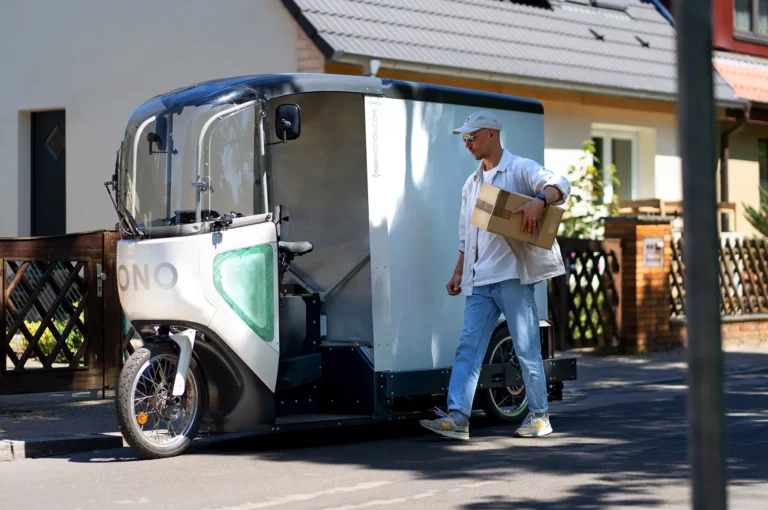
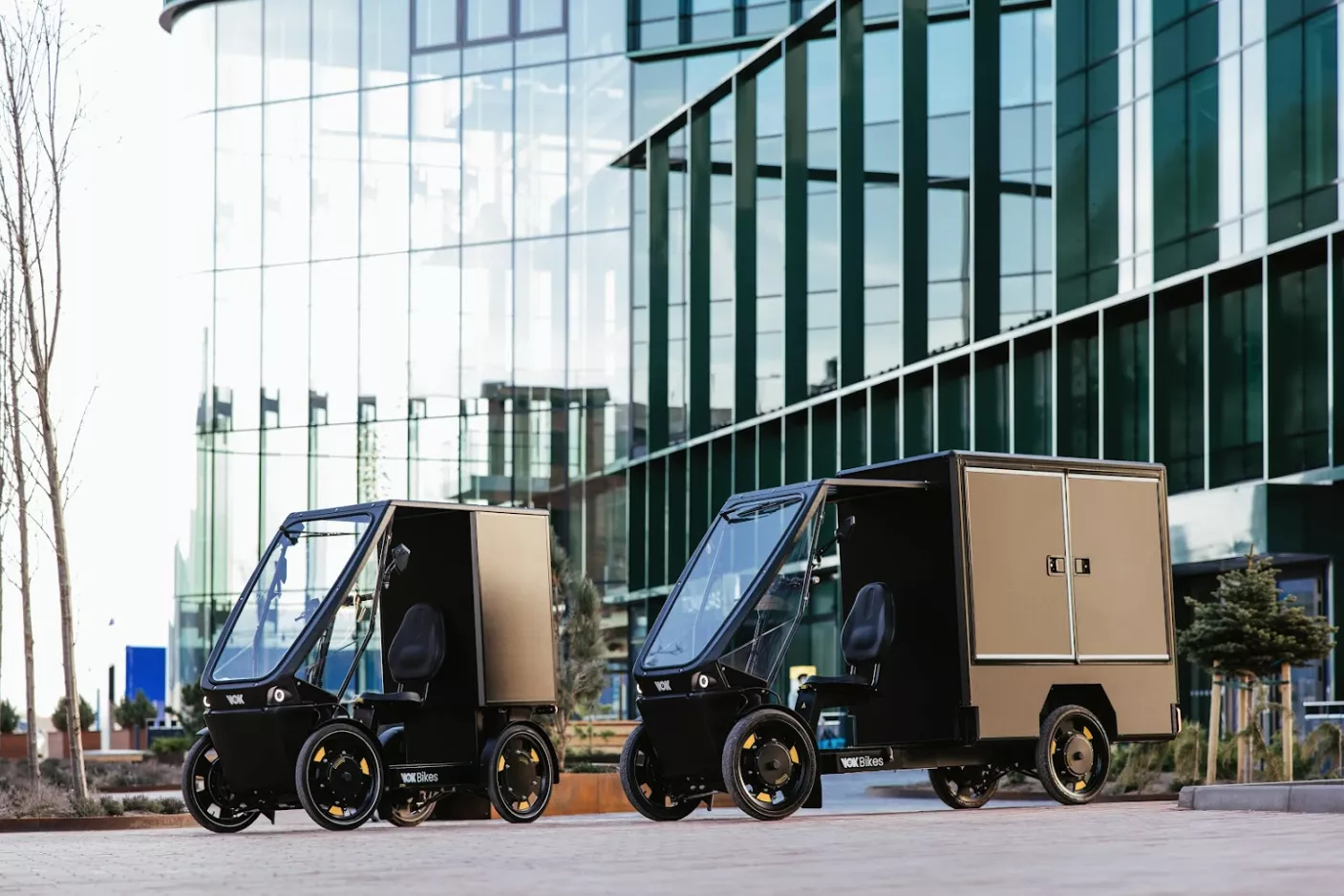
Vok Bikes targets the routes where that friction shows up every day. It builds four-wheel e-cargo vehicles that carry real volume and are designed for fleet operations. The next test is scale, with Renault’s Flins Refactory planned as the manufacturing step in 2026.
City delivery is a game of stops, rather than miles. The clock gets burned on parking, loading, locking up, and pulling back into traffic. Multiply that by forty to eighty drops in a shift and the route economics start to swing.
This is the slice of the market Vok targets. Dense streets, short hops, frequent stops, and real cargo volume. Routes where bike access matters, yet the equipment still has to behave like work gear day after day.
Route performance gets decided in small moments.
A bad curb stop. Slow loading. A handoff that runs over. A minor hit that leads to workshop time. A vehicle sitting out for a repair that should have been handled the same day. None of these issues looks huge in isolation, but they stack fast across a full shift. After forty or fifty stops, they shape the whole route.
That is what fleet operators watch closely when they assess a vehicle for daily use. They need steady uptime, predictable handling with a full load, and cargo space that matches the job. They need a stop routine that stays quick, with simple access, locking, and unloading. They need maintenance, diagnostics, and parts support that keep vehicles working instead of waiting.
Once those pieces are in place, expansion becomes easier to justify. The vehicle fits into the flow of operations, the day stays more predictable, and the fleet team has fewer surprises to manage.
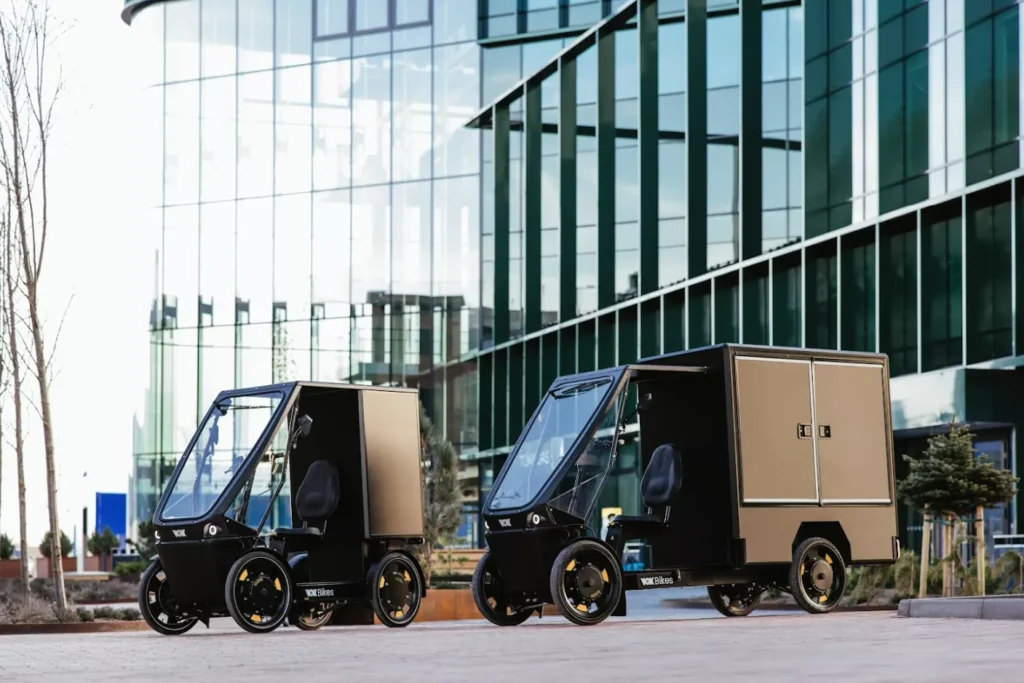
A good route depends on rhythm.
The vehicle leaves base packed for the shift, with the load organized around the order of stops. From there, the job is simple in theory and demanding in practice: arrive cleanly, stop without wasting time, unload fast, lock up, move on. Across a full day, the vehicle earns its place in those repeated moments.
That is where the four-wheel format matters. A stable vehicle changes the stop routine. The rider can pull in close, step away without fuss, and get moving again without spending energy managing balance or repositioning the load. In dense streets, that saves time in ways that do not look dramatic on paper but add up quickly across a route.
Conditions matter too. Urban delivery does not happen on perfect surfaces. Wet paint, cobbles, ramps, rough pavement, and full loads all put pressure on control and braking. Vok’s platform is designed around that reality, with traction support and braking support aimed at keeping the vehicle composed through routine city use.
The same logic applies to energy. Fleets need a vehicle that fits the workday without creating avoidable delays. Charging can work when the route and schedule allow for it. Swappable batteries matter when they help protect route continuity and keep a vehicle from sitting out a shift.
Security and access control sit in the background of the whole job. Every stop creates a small exposure window, especially on busy last-mile routes. Quick locking, quick access, and rider authorization matter because they reduce friction during the shift and reduce avoidable losses over time.
Then the vehicle comes back to base and the routine starts again. Basic checks, damage logging, issue flagging, battery handling, prep for the next run. That is where fleet value becomes visible. The day stays repeatable, the vehicle stays in rotation, and tomorrow does not start with yesterday’s problems.
Vok Bikes was founded by Indrek Petjärv, Riho Koop, and Siim Starke, a team with roots in Formula Student engineering. That background shows up in the way the company talks about the product and in the kind of problems it seems built to solve.
Last-mile hardware gets judged by repetition. Water gets where it should not. Parts loosen. Loads shift. Curbs get clipped. Components that look fine in early use start showing weaknesses after weeks of stop-heavy work. Teams shaped by hands-on engineering tend to think about those failure points early, because they are used to building under pressure, testing hard, and refining quickly.
That line of thinking matters in Vok’s category. Urban delivery vehicles do not win on concept alone. They win when they keep working through the same route conditions every day: rough surfaces, full loads, tight turns, frequent stops, and long hours in service. Petjärv has described Vok as an engineering-led company with a strong in-house systems focus, aimed at reliability in real operating conditions.
That gives Vok a clear position. The company is building for fleet operators who need more than a clever vehicle. They need one that stays consistent across repeated daily use, fits into a working route, and holds up well enough to justify adding more.
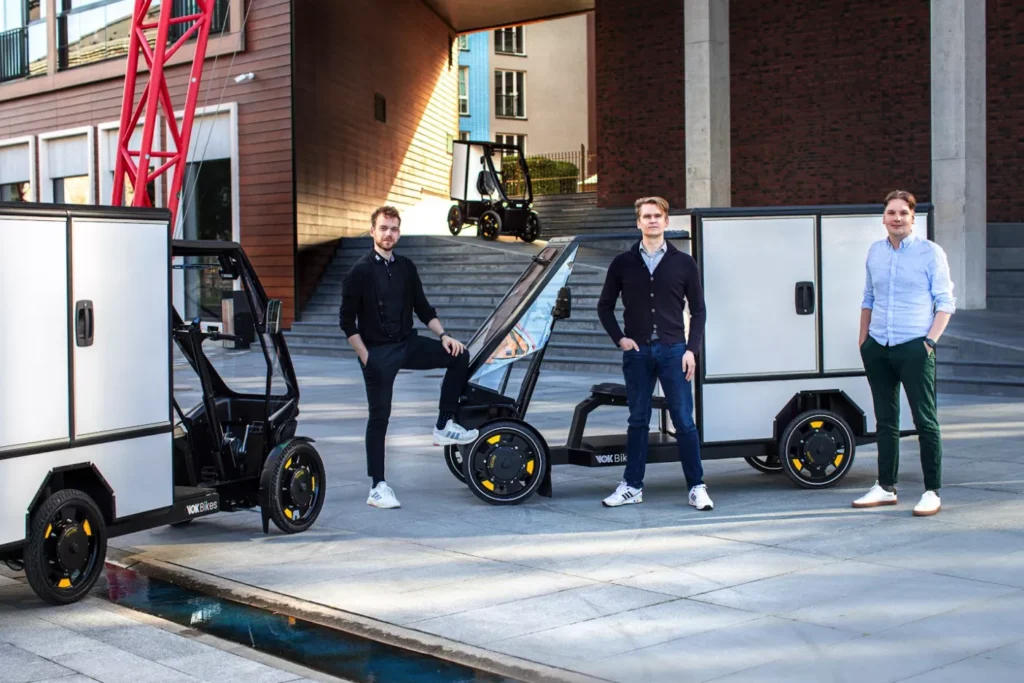
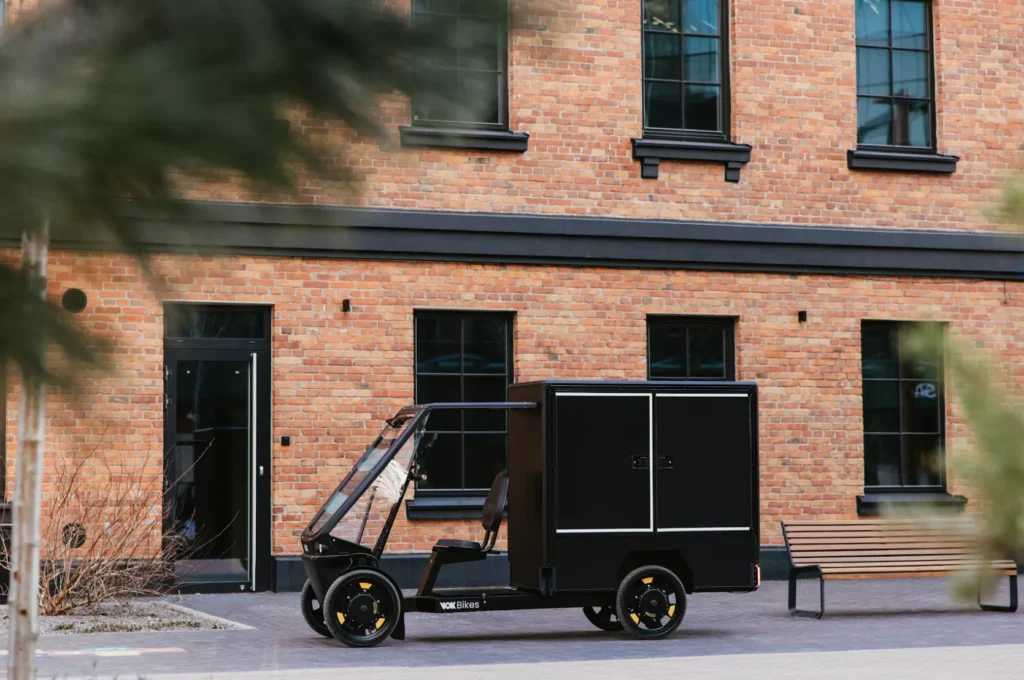
Vok sells one commercial platform in three bodies. The choice comes down to cargo shape and how tight your routes are.
Across the lineup, the intent stays consistent. These vehicles are built for commercial routes inside city streets, where operating speed sits around 25 km/h and the workday is defined by constant stopping.
The replacement target is a specific slice of van work. Short-distance routes with frequent drops, low average speeds, and too much time lost to parking and access. Operators buying into this category tend to look like:
This section is where the category becomes clear. Vok is built for the routes where the city sets the pace.
A Vok shift is a loop of tiny actions. Roll in. Stop. Secure. Grab. Handoff. Reverse out. Repeat.
The rider input is built to stay simple. Pedals act as the main command, and the motors handle the work. That keeps the rider in a steady rhythm through stop-heavy streets, without turning each restart into a gear decision.
At the curb, four wheels help a lot. You are not balancing a load while reaching into the cargo area. You park, you step away, you come back, and it is still sitting the same way. When space is tight, reversing is part of the routine rather than a three-step shuffle.
Cargo handling depends on the body. The boxed formats are about quick access and staying organized across dozens of drops. The open utility bed is about awkward shapes and dirty jobs. Either way, the day runs better when the load stays stable and the packing stays consistent from the first stop to the last.
Then there is the stuff ops teams care about but riders feel first. Fast handoffs without fuss. A vehicle that only runs for the people who are meant to run it. A system that can tell you what is wrong before the bike becomes the problem on a route. When those pieces are in place, the vehicle fades into the background, which is exactly what you want.
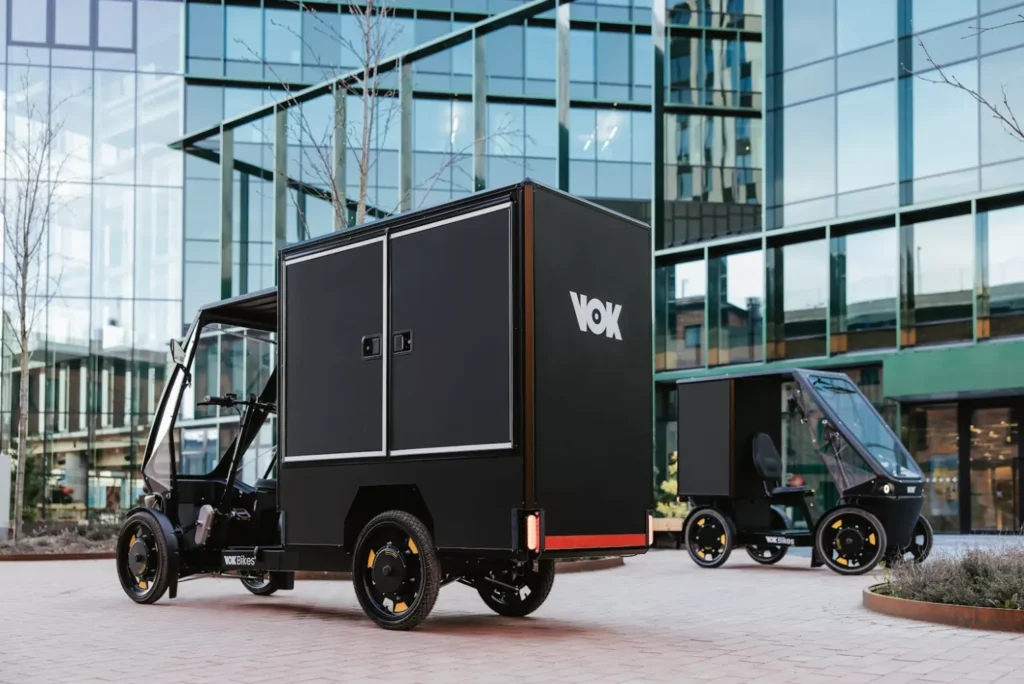
All three Voks share the same core platform. The decision is the cargo body. The experience on the street comes from what sits under it.
The footprint is built for tight infrastructure. Vok lists a width under a meter, with 924 mm shown for the Vok U. That shows up in the places that slow riders down the most. Bollards, pinch points, parked cars, curb cuts, loading zones that are already full.
The control layer is where the four-wheel format starts to matter. Vok pairs the platform with traction control and eABS-style braking support, plus a pedal interface that handles drive, braking, and reversing without extra rider fuss. On wet paint, cobbles, ramps, and rough surfaces, the benefit is consistency. The vehicle stays predictable when the route gets messy and the rider is carrying a full load.
Energy recovery fits the same stop-heavy reality. Regenerative braking can claw back small amounts of energy across a shift and reduce brake wear. Those gains are not dramatic in one moment, but they add up over hundreds of stops.
This is easy to miss if you only scan the cargo numbers. The platform is tuned for repeat work in dense streets, where “rides fine” decides whether an operator adds ten more.
Fleet uptime lives on small things – drivetrains that keep needing attention and brakes that wear out early in stop-heavy work. A vehicle that feels fine when empty and starts behaving differently once it’s loaded and ridden all day.
Vok attacks the biggest repeat offender first. Its 4 DRIVE system is built to run without high-maintenance chains, which removes a whole category of routine adjustments and wear that fleet teams end up doing over and over.
The second layer is control on bad surfaces. Vok bakes in traction control and eABS so the vehicle stays composed in the conditions that usually create downtime. Wet paint, winter grit, cobbles, curb cuts, loaded stops where the rider is tired and the margin for error gets thin. When braking and grip stay predictable, you avoid the little incidents that quietly turn into repairs.
Stop density also means brake wear, so Vok leans on regenerative braking as part of the everyday routine. You are braking hundreds of times per shift. If regen can take some of that load, it shows up later as fewer brake jobs and a bit of extra range.
Energy is handled like a fleet routine. Vok’s design centers around swappable batteries so a vehicle can stay on schedule instead of sitting out a route because it needs time on a plug. The battery system also includes protection logic for temperature and power delivery so performance stays steadier across real operating conditions.
Then there’s the operational layer. Vok positions the vehicle as always connected, with integrated IoT, over-the-air software updates, and GPS tracking. For a fleet, that’s less guessing. You can monitor usage, spot issues earlier, and keep the vehicles working without turning maintenance into detective work.
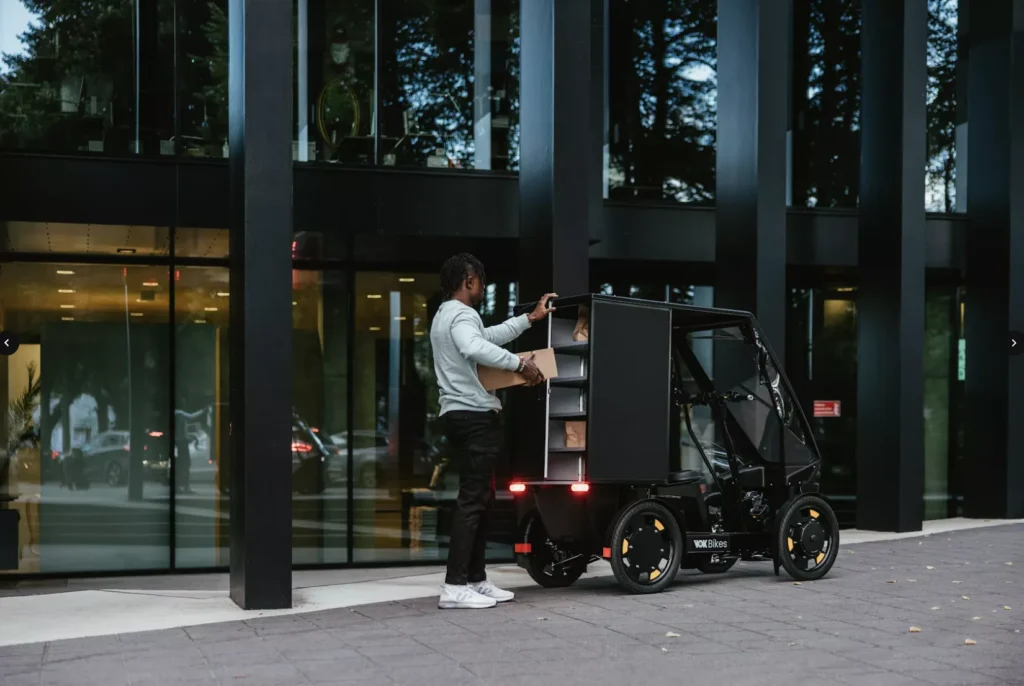
Vok’s best evidence sits in day-to-day work. The company points to real operators using the platform, plus a reseller network that supports deployments across Europe.
You see Vok show up in a few repeatable contexts.
That usage pattern matches what the vehicle is built for. Dense city centers. Short loops. Frequent stops. Routes where curb access and parking friction decide the day.
The limits are just as clear. The platform sits in the e-bike world, with an operating ceiling around 25 km/h. It works best when the city rewards smaller vehicles and bike infrastructure. It becomes a weaker fit on long routes, faster corridors, and jobs that need van-scale payload or volume.
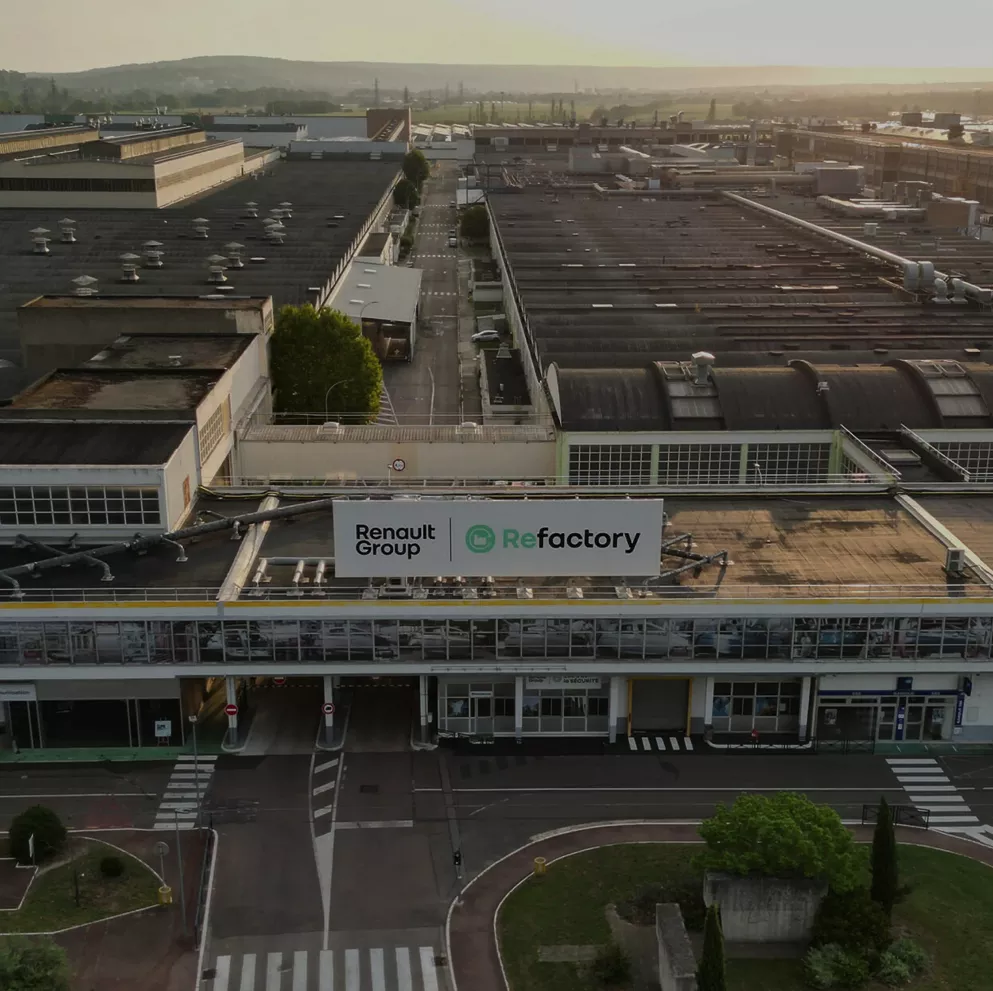
Vok has signed a production agreement with the Refactory of Renault Group at the Flins plant near Paris. The plan is to mass-produce Vok’s latest-generation four-wheel e-cargo vehicles, with production starting in the first quarter of 2026.
This is crucial because it moves Vok from limited output toward series manufacturing. And it gives the company a clearer path to meet the volumes that city and fleet contracts tend to demand.
Vok frames the Flins line as a tenfold increase in production capacity. Building in France also brings assembly closer to key Western European markets, including the UK, France, and the Benelux region. The practical upside is shorter lead times, lower transport emissions, and faster deployment for delivery fleets in cities like London, Paris, Brussels, Amsterdam, and Rome.
The site itself adds another signal. Renault positions the Refactory as its flagship hub for the circular economy. If Vok can pair that industrial setup with its current product strengths, 2026 may become the year the company gets judged on consistency at scale.

A production ramp usually fails in boring places.
Parts arrive late, or arrive “close enough” and then fail in the field. Assemblies drift because tolerances move from prototype shop logic to line logic. Service teams get overwhelmed because early units generate too many edge-case issues. The result is the same. Deliveries slip, downtime rises, and the product story gets rewritten by maintenance tickets.
Signals of a clean ramp look equally boring, which is a good thing.
Vok already has a clear product direction and real fleets using the bikes. The next phase is focused on repeatability. Strong hardware is the entry ticket. What matters now is whether the system around it scales without getting messy.
The next-generation models coming out of Flins will tell you what Vok learned from real routes. The interesting changes won’t be cosmetic, but the “invisible” stuff that makes a vehicle easier to build, easier to service, and harder to break when it’s loaded and run all day.
Look for moves that reduce complexity without shrinking capability. Fewer odd parts. Cleaner access for service. Better cold-weather consistency under load. Software updates that improve uptime and diagnostics in ways operators can actually measure.
This category scales on support. When a fleet buys ten more vehicles, they’re really buying confidence that downtime stays contained and repair loops stay short.
Watch whether service becomes more tangible in the cities that matter. That means real turnaround times, not just reseller logos. It also means parts availability that feels boring. If operators start renewing contracts, expanding fleets, and standardizing on Vok across multiple depots, that’s a stronger signal than any press release.
Industrial maturity shows up as rhythm. When production is healthy, deliveries become steady and predictable, and quality stays consistent across batches.
Look for a delivery cadence that holds for multiple quarters, lead times that shrink and then stay stable, and clear production targets that match what fleets can actually procure. If Vok starts talking in terms of monthly output and confirmed deliveries, not only capacity, that’s a meaningful shift.
If Vok is carving out a real category, the market will start moving around it. Courier platforms and van-heavy operators will formalize cargo-bike targets. Competitors will copy the same direction of travel around stability, sealed drivetrains, and fleet software.
At the same time, pricing pressure will show up. Lower-cost entrants will push the category downmarket. The question will be whether Vok can keep defending total cost of ownership with uptime, service, and durability, while still shipping enough units to stay top of mind.
Vok’s story is no longer about a clever vehicle – it’s turned into a story about a dependable system. The Flins Refactory line is the hinge point.
If the ramp goes well, the proof will be in the boring signals. Fleets getting the same unit twice and having it behave the same way. Parts arriving fast enough that minor damage stays minor. Service that fixes common issues in hours, not days. Vehicles that spend more time on route than in a corner of the depot waiting for a part.
When that becomes normal, something bigger follows. Four-wheel cargo vehicles stop being a “trial format” and start becoming a standard tool for specific jobs. Dense routes. High stop counts. Places where parking friction is the real enemy. That’s the lane Vok is trying to own.