

From EVs and batteries to autonomous vehicles and urban transport, we cover what actually matters. Delivered to your inbox weekly.
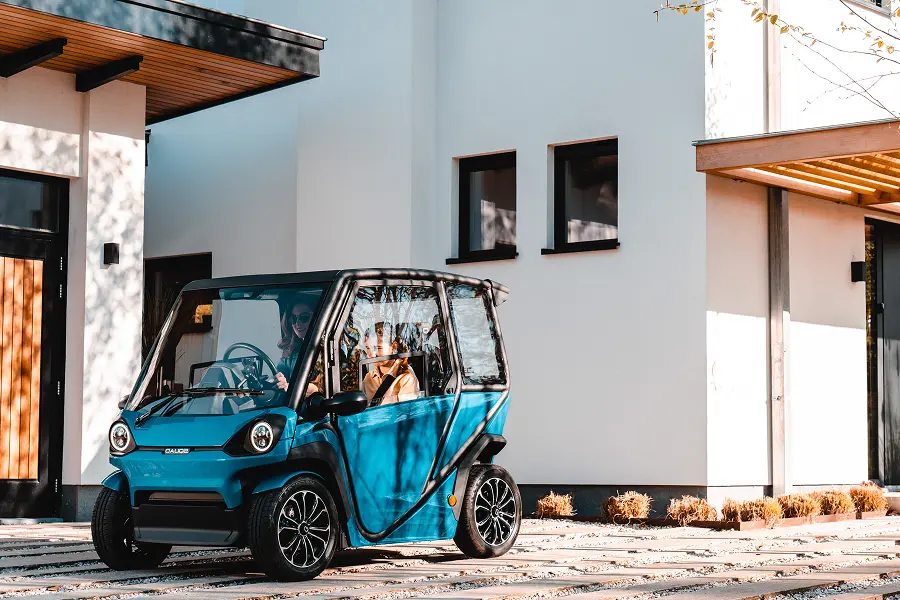
Most urban EVs are still designed around one clean assumption: reliable access to charging.
In real cities, that assumption breaks fast. Cars live on the street, public chargers are shared, and most daily trips are too short to justify building a routine around plug-in access.
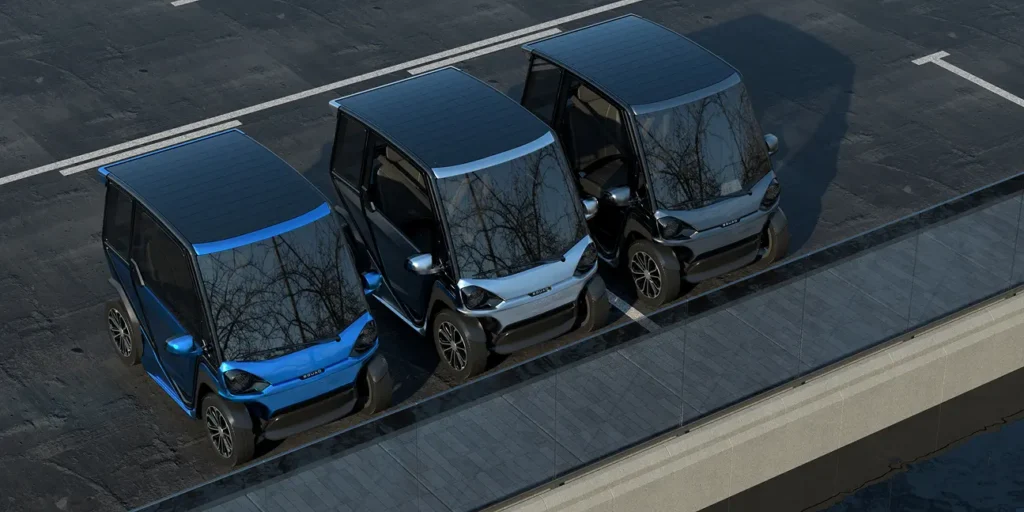
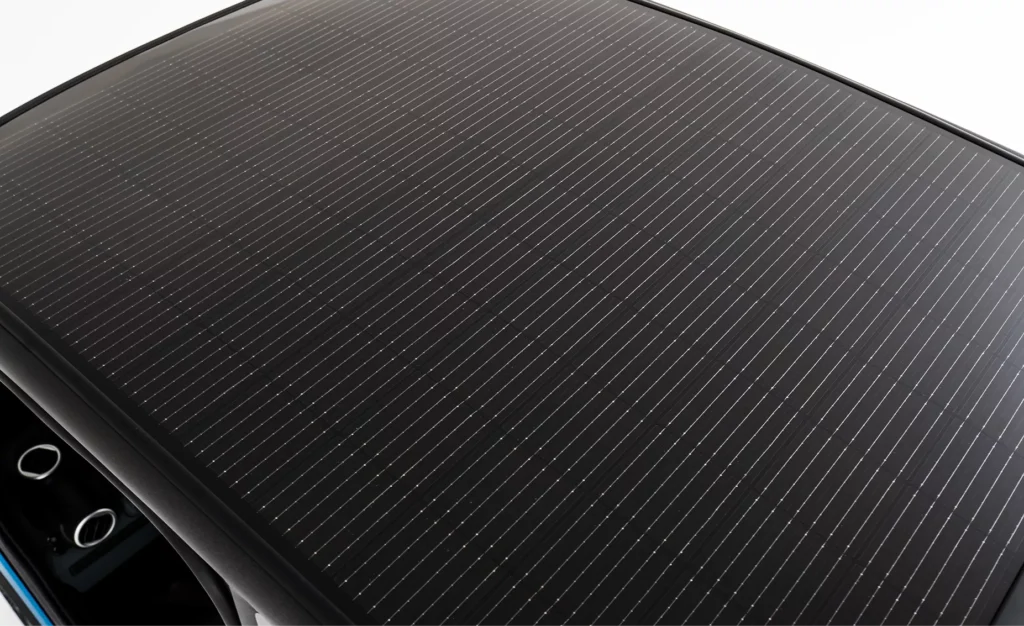
Squad Mobility builds around that mismatch with a vehicle that needs much less energy in the first place. While parked, its solar roof can recover part of that daily energy demand, and its removable batteries reduce dependence on fixed charging.
That promise looks strongest in low-speed, short-trip environments where space is tight, charging access is uneven, and a full-size car already feels excessive.
Most urban trips do not justify a full-size car, but cities still keep pulling people toward one. Distances are short, routes repeat, and the vehicle often spends far more time parked than moving. That makes the inefficiency bigger than charging alone.
A conventional EV still assumes easy charging, predictable parking, and enough street space for a full car footprint. In dense cities, that starts to look heavy, expensive, and too dependent on infrastructure.
That is the gap a vehicle like Squad is trying to exploit. It becomes useful where charging friction, parking pressure, and low daily mileage show up together.
The logic is simple. If the vehicle needs less energy to begin with, the burden on the city also drops. A smaller footprint matters not only on the move, but while parked. And in places where access to charging is uneven, a low-energy vehicle can make the gap easier to live with.
That does not make this a broad urban answer. It makes it a potentially strong one in narrow conditions where a full-size car already looks like too much vehicle for too little movement.
Squad Mobility is building a city vehicle that tries to keep basic shelter and stability while cutting the weight, footprint, and energy demand that make full-size cars feel excessive on short urban trips.
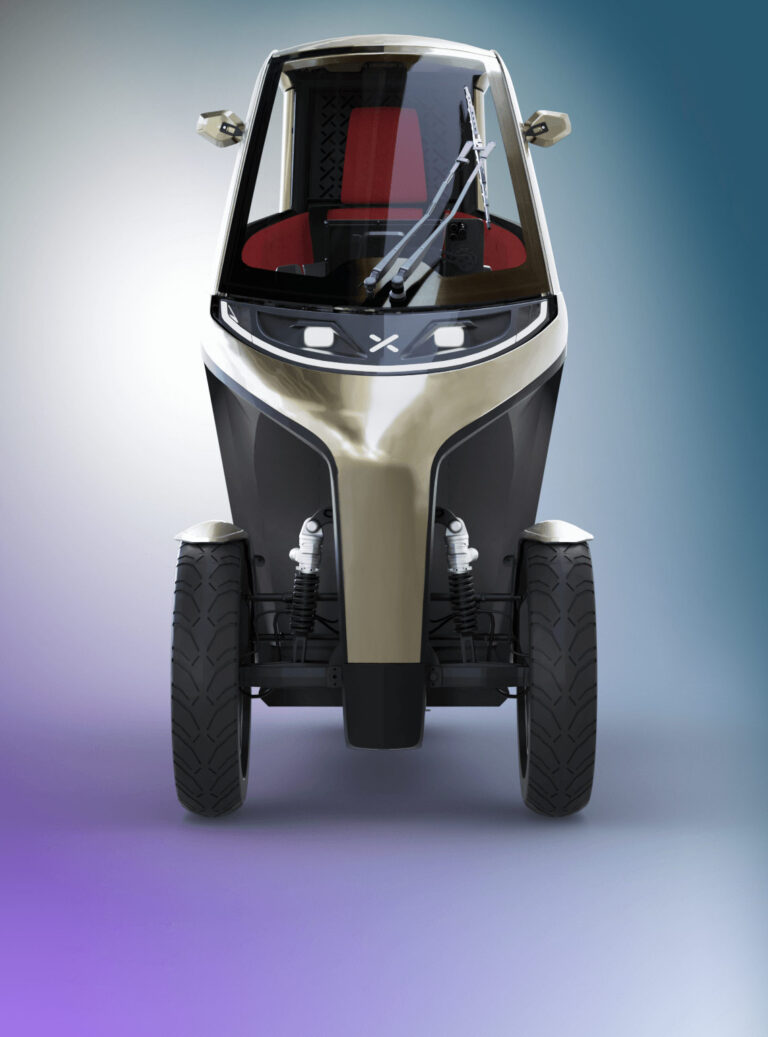
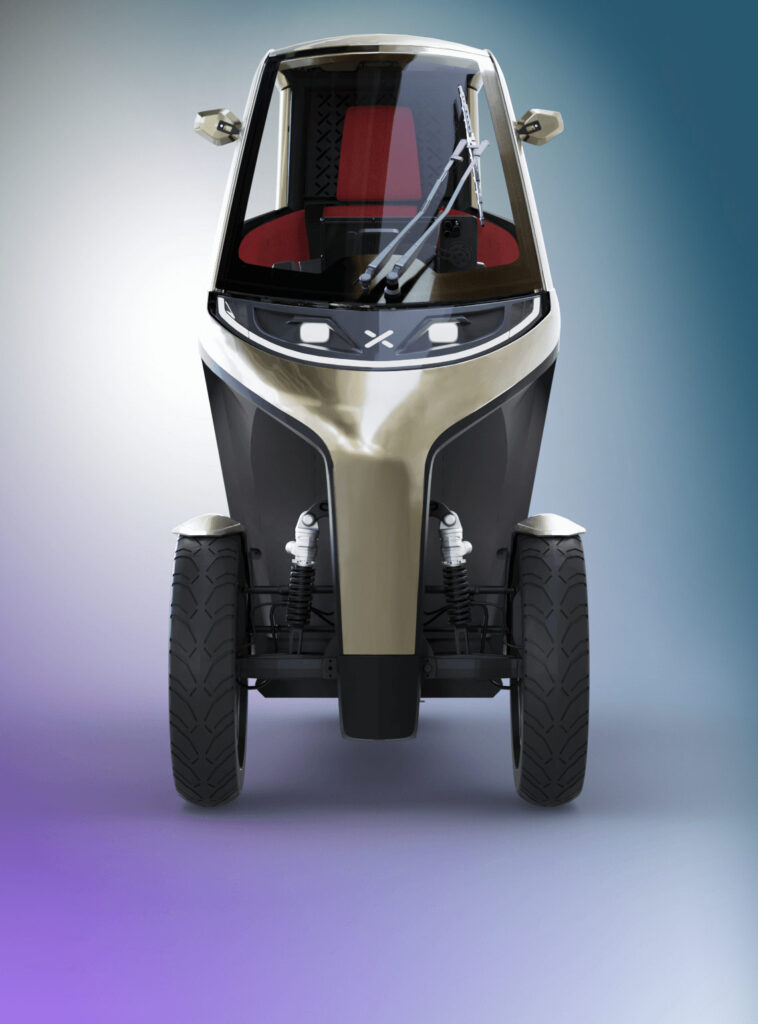
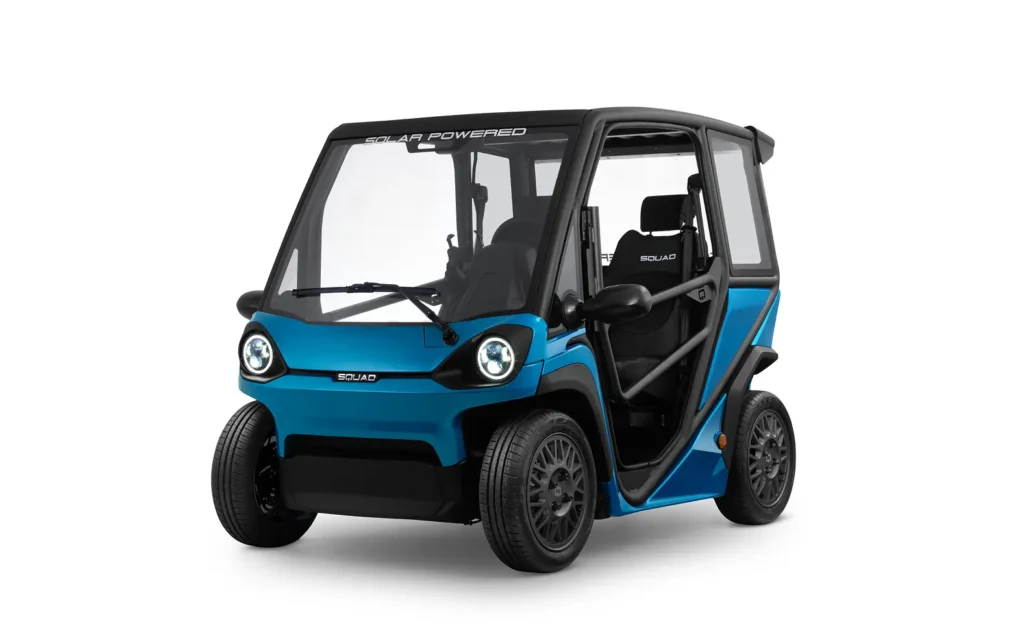
Its clearest current product is the Squad Solar City Car, a compact enclosed two-seater built around a solar roof and removable batteries. Squad says it has logged more than 5,300 pre-orders or reservations. That points to real early interest, but not yet to committed demand, since the funnel includes free and low-cost tiers.
The enclosed two-seat model remains the clearest current product reality. Squad has also shown the more open Solar Buggy, which suggests the company wants the platform to extend beyond one body style. For now, though, the Buggy is better read as platform ambition than proof of a broader lineup.
Legally, the vehicle sits in the European L6e and L7e quadricycle space, somewhere between scooters and conventional cars. But the category label only tells part of the story. The more useful point is what Squad is actually trying to build now: a vehicle for short urban trips where low speed, low energy use, low parking demand, and reduced dependence on fixed charging matter more than performance.
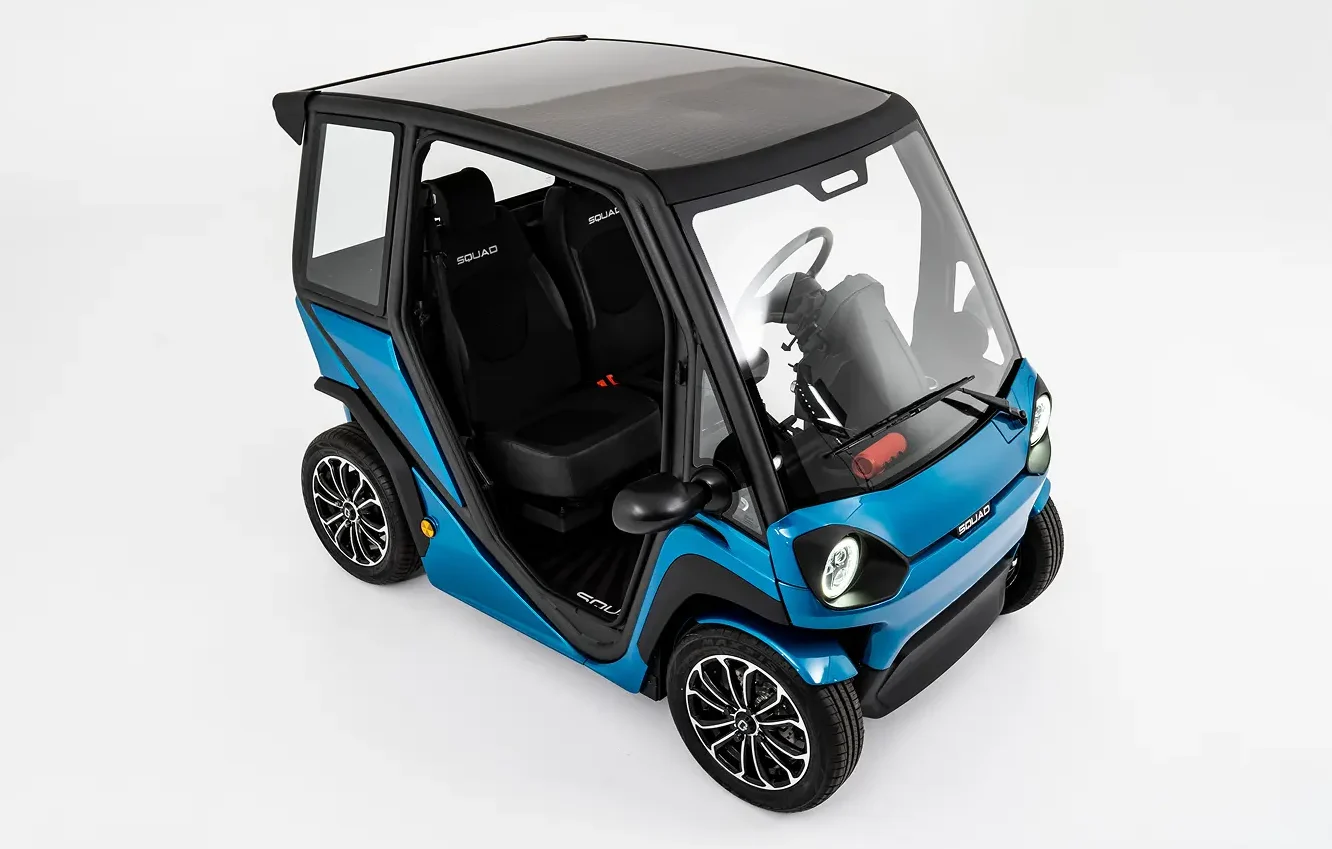
Squad is developing more than one version of the same platform, but the clearest current launch story still centers on the two-seat vehicle.
The L6e version is the clearest near-term product reality. It is limited to 45 km/h, built as a two-seater, and aimed at the kind of trips that define dense urban use: short routes, slow traffic, tight parking, and daily movement that does not justify a full-size car. In some European markets, vehicles in this category can be driven without a full car license, depending on local quadricycle rules.
The planned L7e pushes the same platform into a broader role. Squad presents it as a faster version with a top speed of around 70 km/h. But the seating story is still staged. The near-term L7 appears to remain two-seat, while a larger four-seat or 2+2 version sits further out in the roadmap.
That matters because it changes what kind of vehicle this really is. In L6e form, Squad looks like a tightly defined urban tool. In broader L7 form, it starts moving closer to a small road vehicle, which also makes the concept less narrow and less simple than the version that defines it best today.
Product snapshot
The launch story is still narrower than the full roadmap. The clearest current product reality is the two-seat vehicle, while faster and larger versions sit further out.
| Category | Current / clearest | Planned / later-stage |
|---|---|---|
| Vehicle class | EU L6e / US LSV | EU L7e |
| Body format | Enclosed city vehicle | Broader platform variants |
| Seating | 2 seats | Near-term L7 still appears 2-seat; larger 4-seat / 2+2 version later |
| Top speed | 45 km/h | About 70 km/h |
| Dimensions | About 2.0 m long, 1.2 m wide, 1.6 m high | Longer variant implied for future 4-seat version |
| Weight | Current official specs list roughly 350 kg | Not clearly locked for later versions |
| Powertrain | Two rear motors, 4 kW total in L6 form, 48V architecture | L7 listed at 12 kW |
| Battery setup | Base-oriented versions are listed with 2 removable 1.6 kWh packs | Up to 4 removable 1.6 kWh packs total |
| Quoted range | About 50 km with 2 packs | Up to about 100 km with 4 packs |
| Solar contribution | Roughly 20 to 30 km/day under good conditions | More meaningful in sunnier, short-trip use cases |
| Comfort / body details | Enclosed cabin, removable doors, climate equipment referenced in materials | Solar Buggy and other body variations suggested, not yet proven lineup |
| Product maturity | 2-seat vehicle is the clearest current product reality | L7 and larger body styles remain less mature roadmap extensions |
| Production status | Pre-production / prototype stage | Broader platform still less mature |
Note: SQUAD’s public product story is still staged. The two-seat vehicle is the safest way to describe the current product reality, while faster and larger variants should be treated as roadmap items rather than equal-status launch specs.
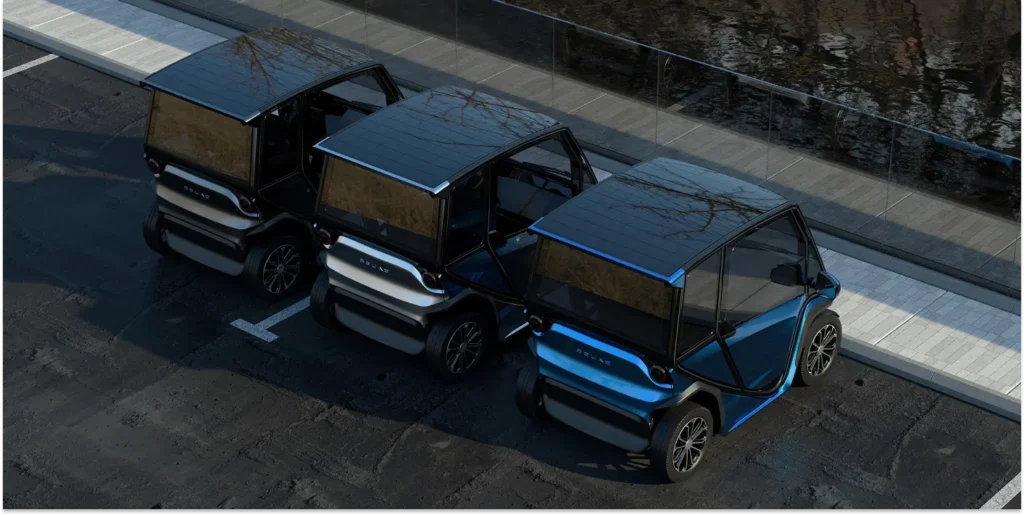
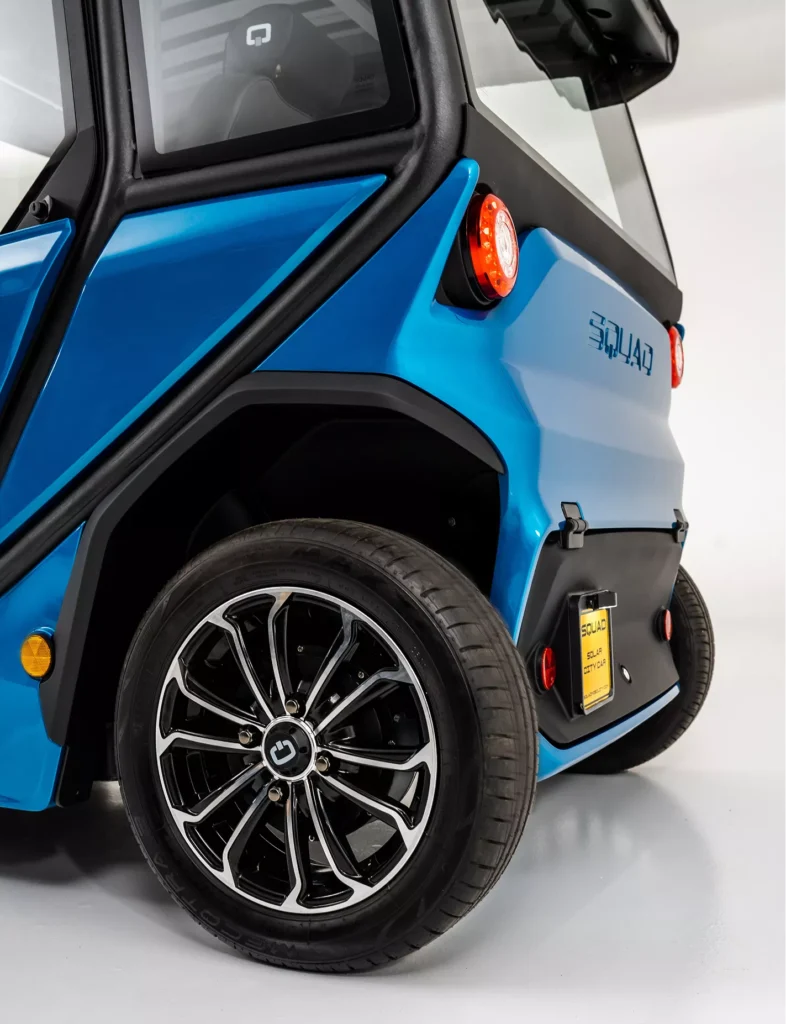
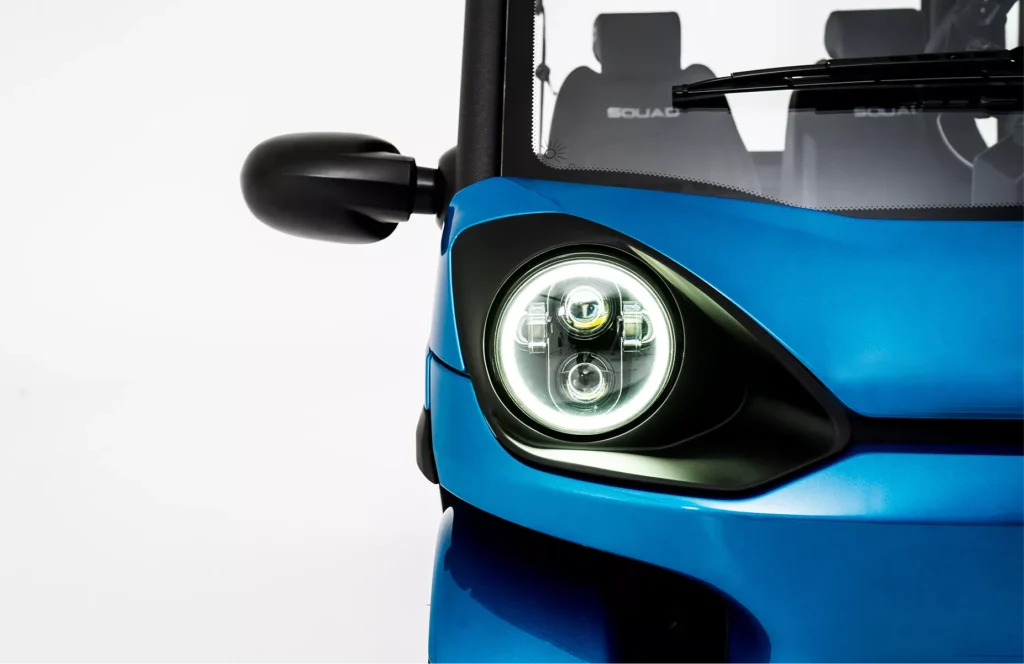
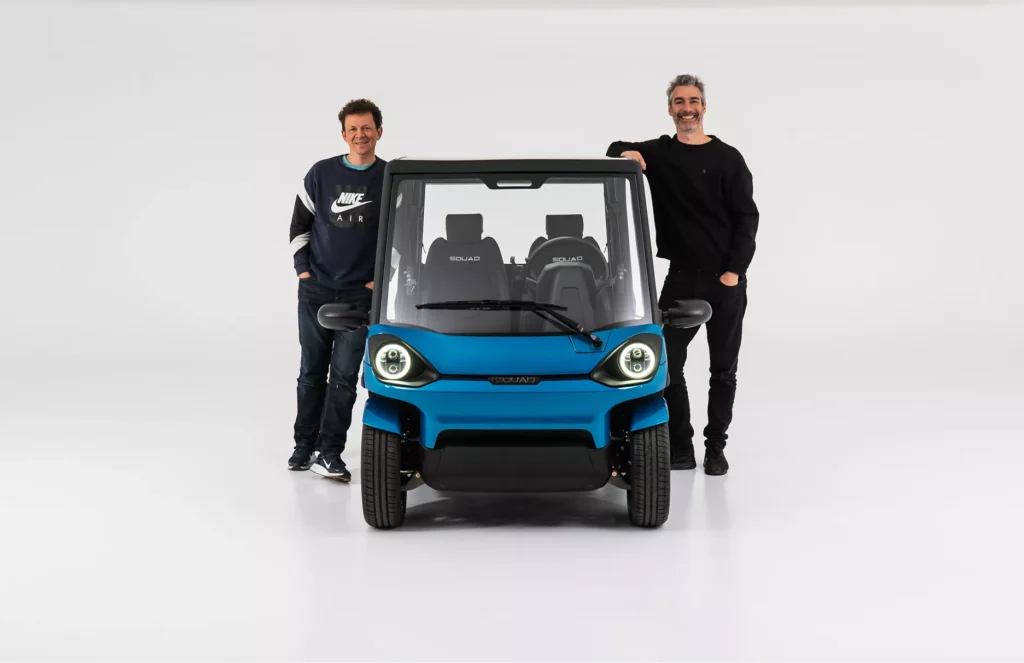
The physical footprint is one of the most important parts of the product. Current official specifications list Squad at about 2.0 meters long, 1.2 meters wide, 1.6 meters high, and roughly 350 kilograms. That still makes it much smaller and lighter than even the smallest city cars. According to the company, up to three vehicles can fit into a single standard parking space. The point is not only lower energy use while driving. It is also taking up less city while parked.
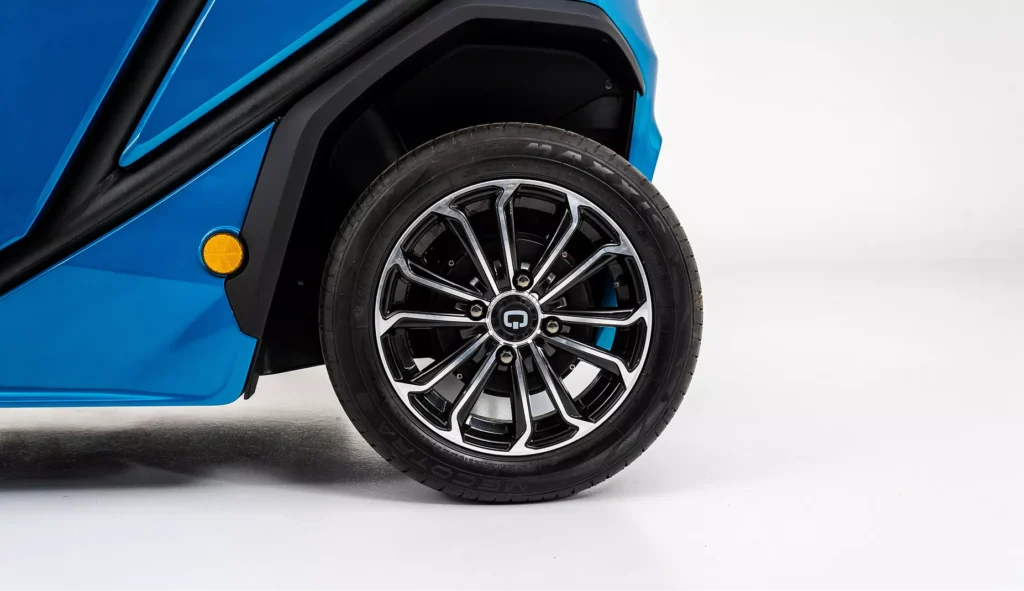
The powertrain is deliberately modest. Squad uses two rear motors delivering 4 kW in total in L6 form, paired with a 48V electrical architecture. On paper, those numbers sound small by normal EV standards. Here, that is less a weakness than a design choice. The lower-voltage setup helps keep cost, weight, and system complexity down. The same logic shows up across the platform as a whole: simpler hardware, fewer heavy components, and a vehicle built for stop-start city use rather than sustained higher-speed driving.
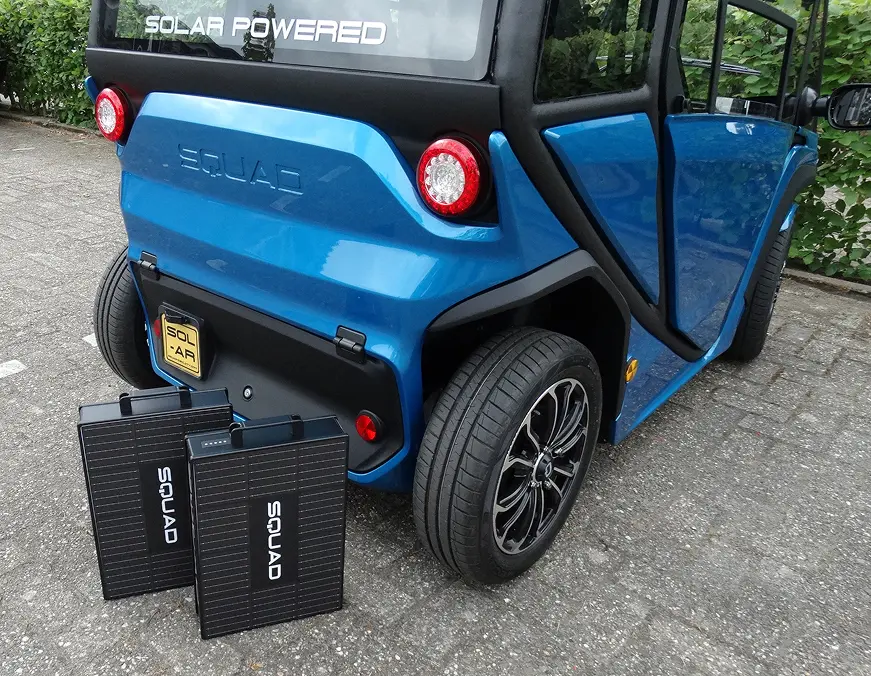
The battery layout is just as central. Squad says the vehicle can take up to four removable 1.6 kWh battery modules, for 6.4 kWh in total. But that is not the safest way to describe the launch setup. Current base-oriented versions are listed with two batteries and about 50 kilometers of range, while higher-spec versions are shown with four batteries and up to about 100 kilometers.
That distinction matters. The concept only works if the battery stays small enough for low energy use and solar input to remain meaningful. Because the modules are removable, they can also be charged separately, swapped when needed, and handled more flexibly in shared or fleet settings. That is also why the solar roof matters more here than it would on a heavier microcar. The energy budget is small enough for roughly 20 to 30 kilometers of daily solar gain to be materially useful rather than just nice to have.
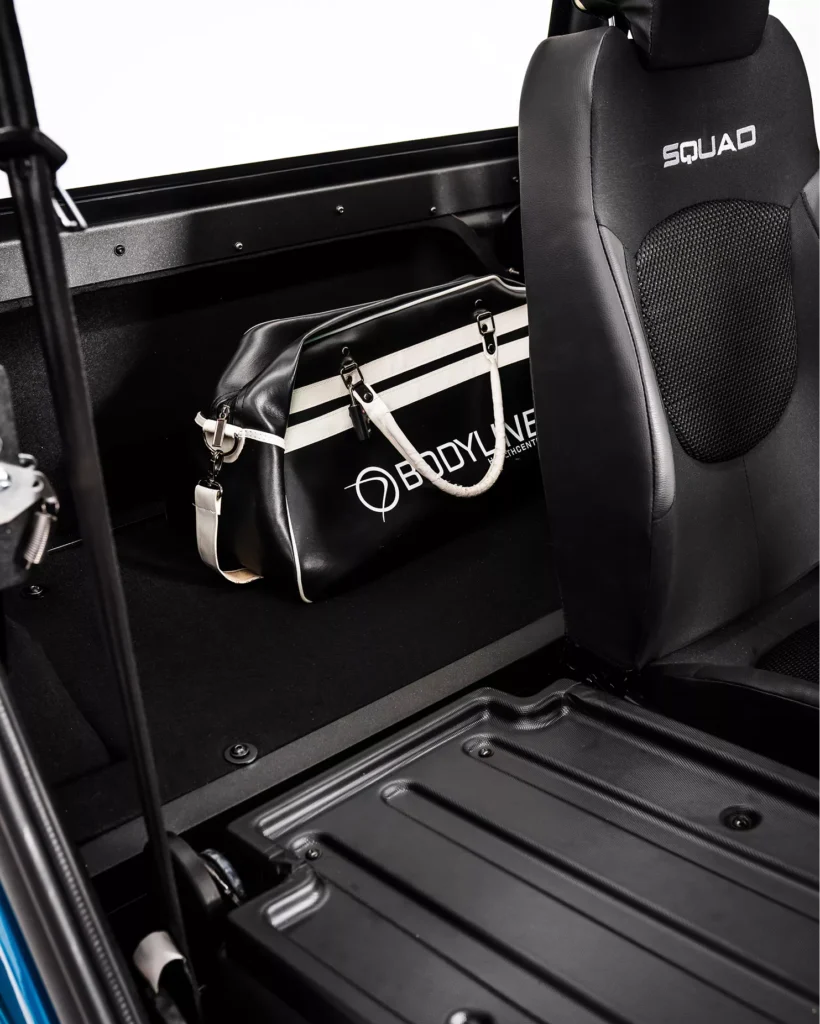
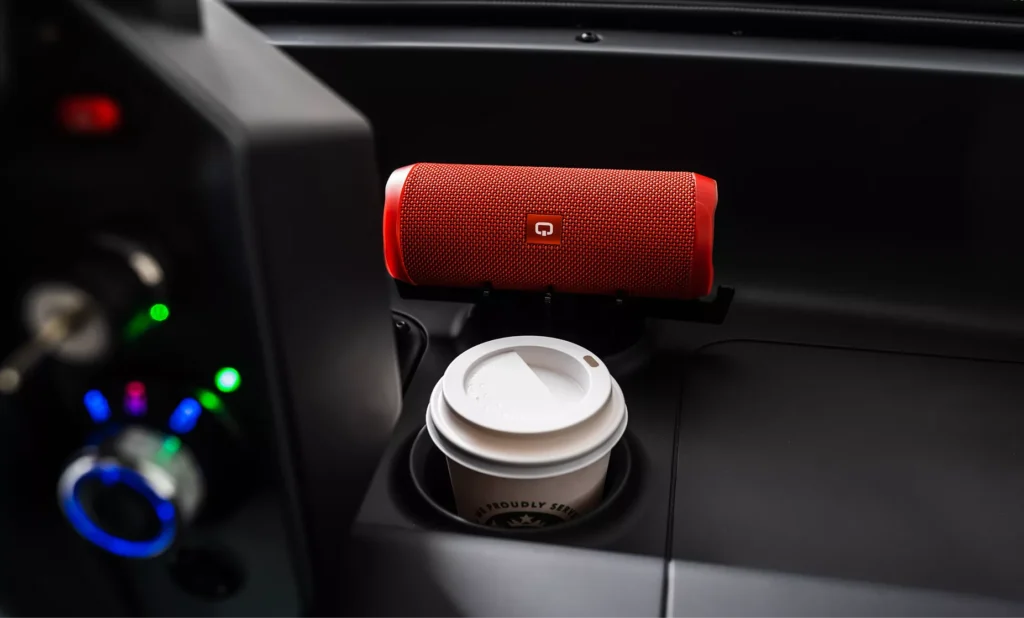
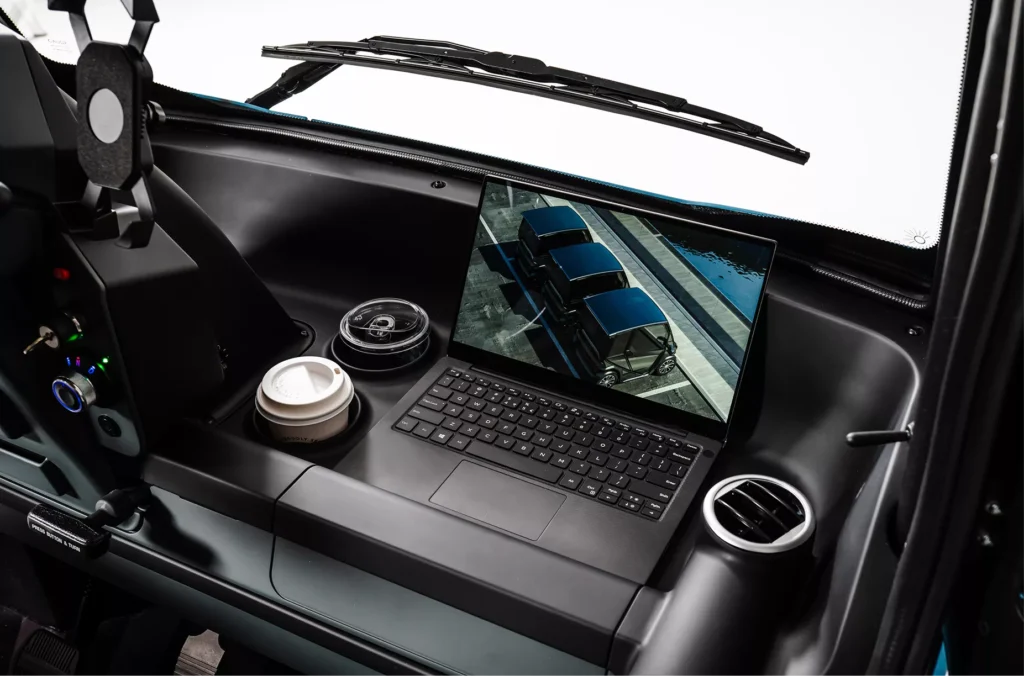
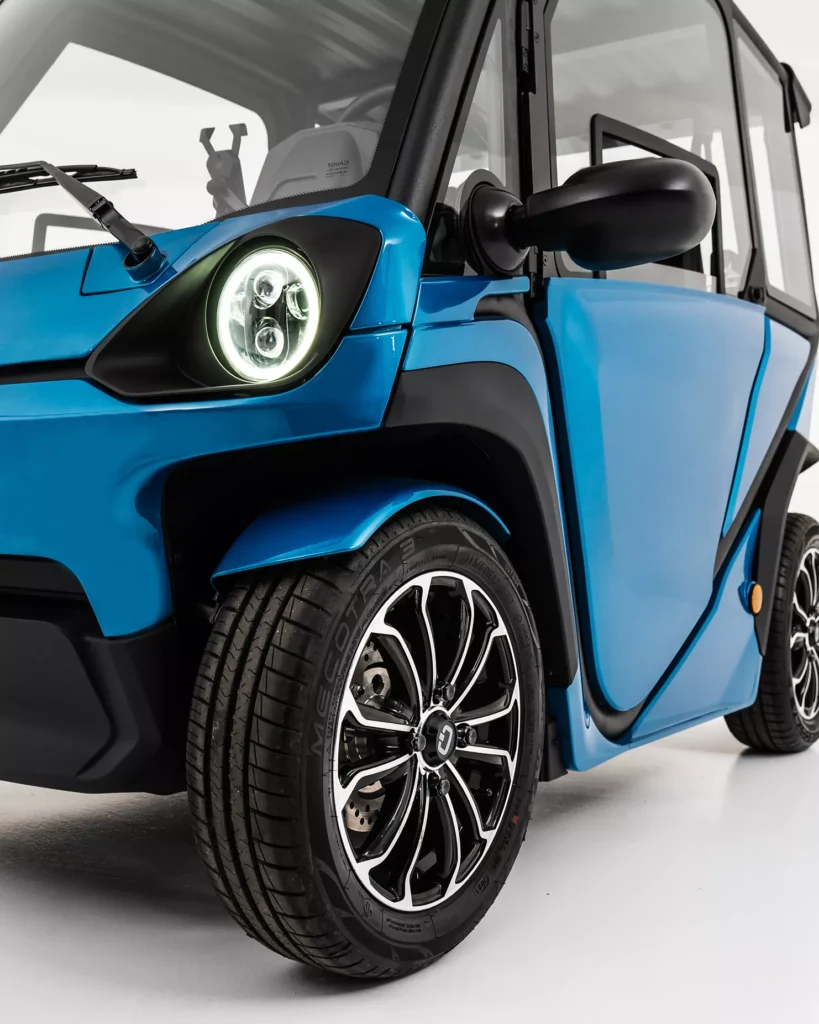
There are also a few design details that make the vehicle easier to picture as something closer to a usable urban pod than a bare-bones quadricycle. Squad talks about a tubular space frame, a roll-cage structure, removable doors, optional air conditioning, and a layout compact enough to cross-park. Those are not headline specs, but they help show that the company is not only chasing efficiency. It is also trying to make the vehicle usable in real weather and real streets.
The clearer the use case stays, the stronger these specifications look. The more the vehicle is asked to behave like a normal small car, the weaker they become.
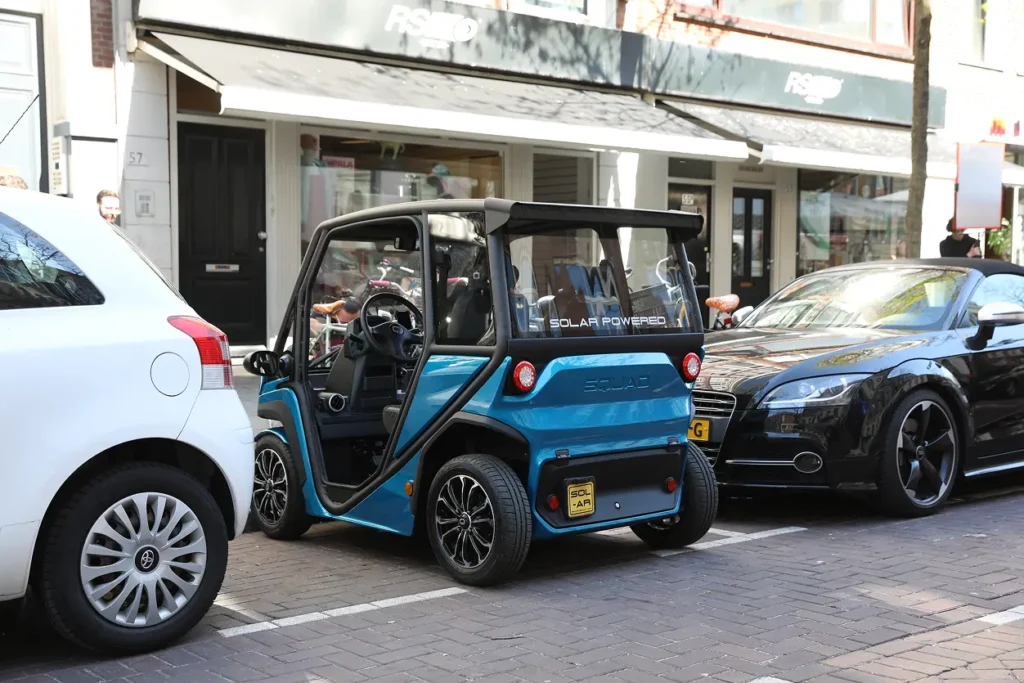
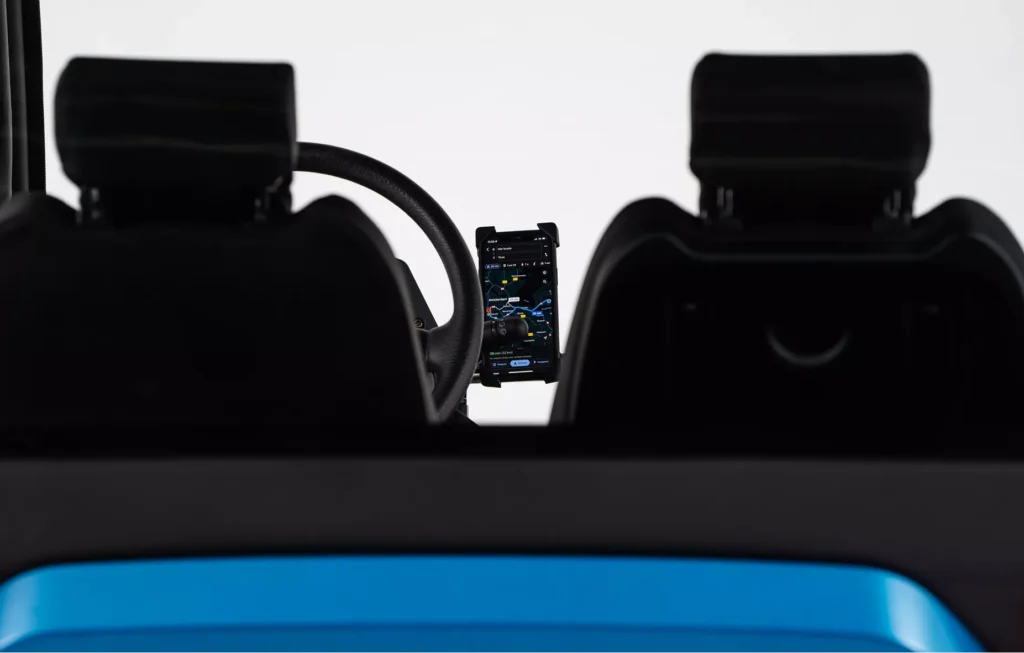
This is where Squad tries hardest to close the gap between light urban mobility and something people can actually live with every day. The vehicle uses four wheels, a tubular roll-cage structure, and seat belts. It also has an enclosed cabin, optional removable doors, and product materials that reference heating and air conditioning.
Those details matter because they make the vehicle more usable than a scooter, bike, or bare quadricycle when the weather turns. On short urban trips, discomfort can push people back into a full-size car quickly. Rain, wind, cold mornings, and overheated cabins in summer make lighter vehicles feel compromised fast.
Squad is clearly trying to reduce that friction with just enough weather protection to make the vehicle usable across seasons, without taking on the weight, cost, and complexity of a conventional passenger car.
The same goes for the roll-cage structure and seat belts. They do not make Squad a full car, but they do make it feel less exposed than lighter urban formats. The structure gives the vehicle a more substantial protective frame than an open scooter or e-bike, while the seat belts reinforce that this is meant to be used as a real everyday vehicle rather than a novelty.
But the limits stay clear. This is still a quadricycle, not a full passenger car. The enclosure improves year-round usability, and the roll-cage structure and seat belts add a basic protective layer. None of that turns Squad into a conventional car in crash protection, refinement, or broader road capability. It makes the vehicle easier to live with, not equivalent to a normal small car.
That difference matters, but it should not be overstated. This is still a quadricycle with quadricycle-level limits.
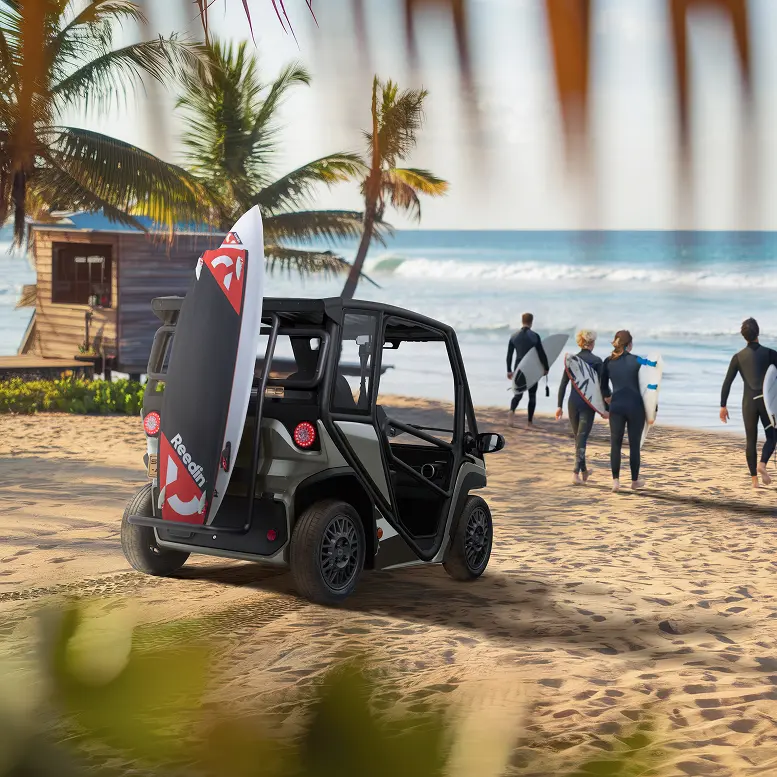
The Solar Buggy is the clearest sign that Squad does not see this vehicle as one fixed body style. It uses the same basic architecture, but reworks it into a more open format aimed at leisure use, warm climates, and controlled or semi-controlled environments.
That makes it strategically interesting, but still secondary to the enclosed two-seat vehicle that carries the real product burden. The point is not that the Buggy already proves a broader lineup. It is that it shows how Squad sees the platform: not only as one enclosed city vehicle, but as a chassis, battery, and solar architecture that could extend into other formats.
That is useful, but it still needs to be read with caution. A platform only becomes real once those variants are actually built, sold, and supported. Until then, the Buggy is better understood as a sign of platform ambition than proof of commercial scale.
Squad’s real fit is narrower than the broad urban-mobility pitch suggests. It makes the most sense where routes are short, usage is repetitive, and parking or charging friction shows up every day.
The clearest early fit is not “the city user” in general. It is the operator or buyer dealing with short routes, low speeds, parking pressure, and weak charging access as part of daily use.
The strongest early use cases are not fleets in the broadest sense. They are controlled or semi-controlled environments such as resorts, campuses, hospitality sites, gated communities, and selected sharing settings where routes are short, speed limits are low, and charger access is awkward or expensive to scale.
That is where Squad’s logic looks strongest. A small vehicle with low energy demand, removable batteries, and a compact footprint can turn those constraints into operating advantages.
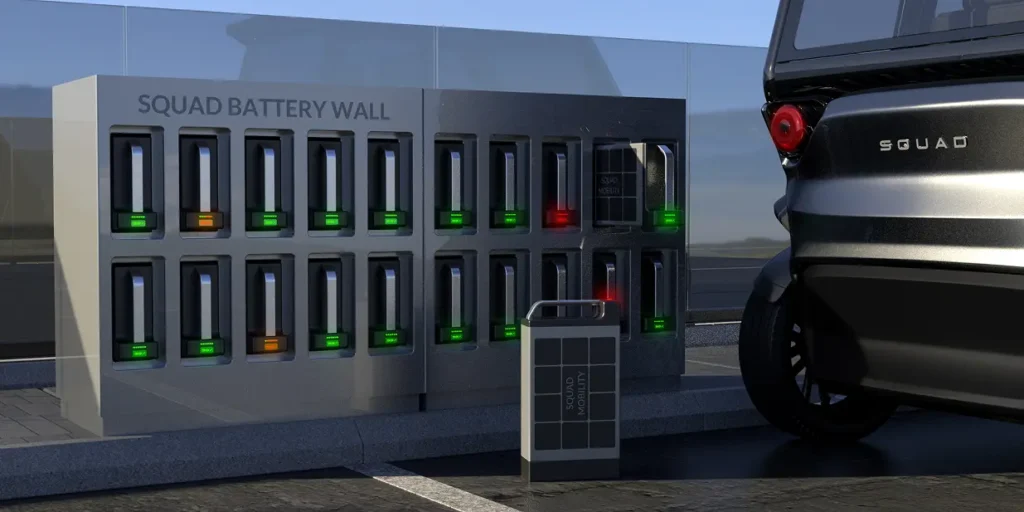
Squad has aimed the vehicle at sharing and MaaS from early on, with features such as remote diagnostics, easy-clean surfaces, replaceable parts, and battery-wall swapping. The logic is clear. What is still missing is a named public deployment that proves the model beyond the pitch.
Shared mobility is one of the clearest uses Squad is aiming at. The company positions the vehicle for sharing and MaaS platforms, and backs that up with fleet-oriented features such as remote diagnostics, replaceable parts, and battery-wall charging or swapping.
That makes sense on paper. A low-speed vehicle with a very small energy budget, removable batteries, and a tiny footprint fits settings where charging, parking, and idle time are constant operational constraints.
What is still missing is public proof that this logic already works in real deployment. That makes shared mobility an intended fit, not yet a publicly validated operating model.
Private buyers are still part of the story, but they look more like a secondary layer than the commercial core. Squad’s consumer offer is clear enough: a starting price from about €6,250 ex. VAT, optional comfort features such as doors and air conditioning, and access to an L6e vehicle class that can, in some markets, be used without a full car license.
The company also uses a broad pre-order funnel, from free registration to paid reservation tiers. That points to consumer interest, but it is still a much softer signal than delivered demand.
This is also where Squad’s limits are easiest to see. The more a private buyer expects the vehicle to behave like a normal car, the weaker the proposition gets. The consumer case looks strongest as a second vehicle, a neighborhood vehicle, or a tightly bounded urban-use proposition, not as a substitute for a normal small car.
Squad is not trying to build this vehicle like a conventional car. Its production model is built around flat-packed components and local microfactory assembly, with the goal of lowering logistics, tooling, and expansion costs relative to a centralized plant. That logic is real. So is the gap between the idea and a publicly proven production system.
Squad is not describing one large factory doing everything under one roof. The model is more distributed than that. Core parts such as the chassis, body panels, and interior modules are meant to be sourced through suppliers, shipped in flat-packed or sub-assembly form, and then brought together in local microfactories closer to the end market.
The appeal is obvious – ship less air, lower freight burden, and avoid the capital intensity of a traditional automotive plant.
Pune, India is the first production location so far. Squad says chassis production is happening there, alongside local work around laser cutting, welding, injection molding, trim, and seating. That is a real signal of industrial movement. But it is still only that: movement. The visible proof remains limited to supplier-led chassis work and a distributed assembly story, not a publicly demonstrated, repeatable series-production setup.
That distinction matters because the hard part starts after the blueprint makes sense. Supplier coordination, assembly consistency, quality control, rework, and final fit all get harder once output rises. Squad is not working from an established production base, and no dedicated public assembly line, manufacturing contract, or repeatable customer-delivery system has been shown yet.
Today, the model still looks closer to a production system being built toward than one already proven at scale.
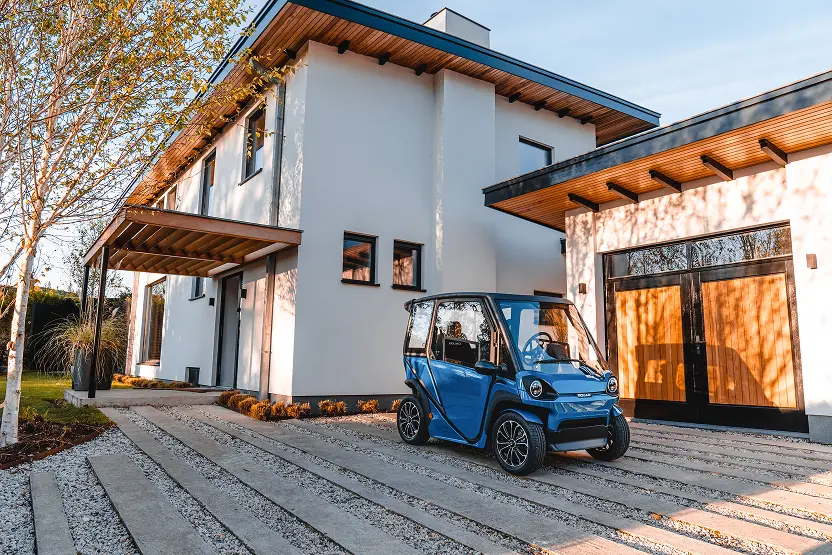
Squad’s cost logic is visible in the vehicle itself. It uses ABS body panels, a 48V system, and a simpler mechanical setup than a normal EV. The same logic carries into production: lighter parts, less tooling intensity, and flat-pack logistics are all meant to keep cost and assembly effort down.
But simple on paper is not the same as durable in production. Cheap to design is not the same as easy to build well. On a vehicle this minimal, inconsistency is not hidden by complexity. It shows up immediately in fit, finish, durability, and customer trust.
That is the real manufacturing test for Squad. Not whether the microfactory model sounds smart, but whether the system still holds once coordination pressure, output pressure, and quality pressure all arrive at the same time.
As of now, the strongest visible signals are prototypes, supplier movement, chassis work in Pune, and a manufacturing logic that is easy to understand. The missing proof is repeatable output at scale. That remains one of the biggest unresolved parts of the Squad story.
Squad is not relying on straight retail sales alone. The company also talks about leasing and subscription-style access.
That makes sense for a vehicle sold on low running cost and everyday practicality rather than performance or status. It also fits a product that may be easier to trial operationally than to justify through a standard consumer-car buying logic.
Squad positions the vehicle from about €6,250 excluding VAT in base form, though that is not a full public price list across all variants and equipment levels.
The official shop also shows several preorder tiers: Limited Edition at €5,000, Pioneer at €500, Regular at €50, and Free at €0. Those are reservation amounts, not vehicle prices.
Those tiers are useful as a signal of consumer funnel design, but they should not be treated as the same thing as delivered-order demand.
The final cost rises with equipment. Official materials consistently present doors and air conditioning as optional, while heating appears in product materials but is not always framed in exactly the same way.
The Buggy does not appear as a separately priced standalone model. It is presented more as a configurable special edition.
Squad talks about more than one access path. Alongside direct purchase, they also mention lease and subscription-style access.
That significantly lowers the barrier to entry. It gives buyers and operators a way to try the vehicle without treating it like a normal car purchase.
This matters most in campuses, resorts, hospitality sites, and other recurring-use settings, where access can be easier to justify than ownership.
Squad looks less like a heavily funded EV startup and more like a small hardware company trying to prove a focused idea. That matters because the product itself is narrow: a low-speed solar city vehicle only works if the company stays disciplined enough to keep it simple and affordable.
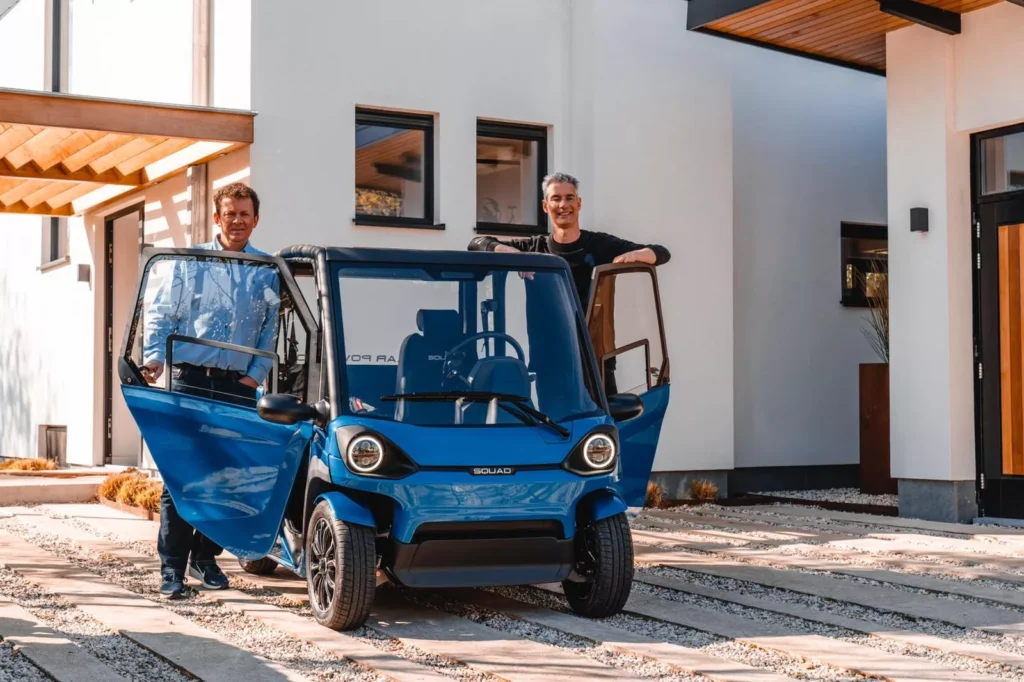
Squad Mobility was founded in 2019 by Robert Hoevers and Chris Klok, both former Lightyear employees. The company is based in Breda and still looks like a genuinely small operation. That means engineering, fundraising, manufacturing planning, and commercialization are still tightly linked. The small team is part of the appeal and part of the risk.
The funding picture fits that profile. Squad has raised money in stages rather than through one large venture round. The clearest confirmed items are Bloomit-linked early support, a later Bloomit convertible note, the €1.35 million GIANTS Horizon grant in mid-2024, and a modest Republic Europe crowdfunding raise in 2026. Public retail-investor campaigns linked to Bondex or Nxchange have been promoted, but they should not be treated the same way as confirmed completed funding unless outcomes are clearly documented.
By automotive standards, that is still a very small capital base for a company trying to move from prototypes into production, homologation, and support. It also means the company has much less room than a well-funded EV startup to absorb delays, supplier friction, or quality problems once production begins.
That matters because the company is trying to grow step by step, not all at once. It is moving from concept work and public visibility toward the much harder phase of production. The flat-pack microfactory model and the Pune manufacturing direction show the same approach: grow through cost discipline and distributed production, not through a traditional large-factory ramp.
That strategy can keep Squad focused. But it also leaves far less room for mistakes once homologation, production consistency, aftersales support, and customer quality issues become real operating demands. That is why the company should still be read as a promising pre-production project, not an industrially proven one.
This market is easy to describe badly. On the surface, all of these vehicles look similar: tiny footprints, low speeds, city-friendly dimensions, and lighter hardware than a normal car. But they are not solving the same problem.
Some try to make the car smaller. Others try to make urban driving cheaper. Others are really solving for parking, fleet use, or short-distance access. Squad belongs in that world, but it is making a narrower bet than most of them.
Citroën Ami is the clearest proof that a tiny urban EV can become a real market product when an OEM gives the format manufacturing scale, distribution, and public visibility. It turns the idea into something recognisable and accessible.
Microlino pushes the category in a different direction. It gives the format more speed, more battery, and more emotional appeal. It feels closer to a compact lifestyle vehicle than a stripped-down urban tool.
Twizy still matters because it showed the category early: small footprint, exposed simplicity, and a vehicle designed around short city trips rather than normal car expectations.
Squad sits lower and narrower than all three. Its 45 km/h L6e version, very small battery setup, removable battery logic, and solar roof all point to the same idea: reduce the vehicle’s dependence on charging access, parking space, and heavy hardware from the start.
That also helps explain why Squad differs from Silence and Birò. Silence is building a broader urban ecosystem around battery swapping, with a more car-like proposition and a stronger infrastructure story behind it. Birò pushes hard toward ultra-compact practicality. Squad’s position is tighter than both. It is not trying to stretch upward into a more complete city car. It is trying to make a very small vehicle work well enough that charging and space become less of a daily burden.
That is the real distinction. Ami industrializes the format. Microlino makes it more aspirational. Silence ties the vehicle to a broader battery and infrastructure system. Squad is trying to make the vehicle itself demand less from the city around it.
That gives Squad a sharper niche than it first appears to have. But it is also a harder one to prove. The smaller the energy budget and the tighter the intended use case, the more the whole proposition depends on real conditions lining up: short trips, low speeds, recurring routes, awkward charging access, and users willing to accept a vehicle that does less than a normal small car.


Squad’s proposition depends on several things going right at the same time. The vehicle has to stay inside the kind of low-speed urban use it is designed for. The solar contribution has to matter often enough in real conditions. And the production model has to move from a convincing idea into something repeatable.
The first constraint is climate and parking reality. Squad’s solar roof is appealing because the vehicle uses so little energy, but that advantage is still highly variable. The company’s own numbers shift by market, and the gain drops if the vehicle spends much of its time in shade, garages, narrow streets, or weak winter conditions. If that happens too often, the energy story weakens first. The concept does not collapse, but one of its most distinctive advantages becomes much less meaningful in daily use.
The second constraint is speed. The L6e version works because it stays small, slow, and inexpensive. But the same 45 km/h limit that helps it fit dense urban traffic also narrows where it can work well. The further the use case moves toward faster roads, longer links between districts, or broader all-day mobility, the more exposed that limit becomes. If the route needs a normal small car pace, Squad’s fit weakens quickly.
The third constraint is regulation. L6e and future L7e classification are part of the product logic, but quadricycle rules still vary across markets. That affects licensing, homologation, and where the vehicle fits legally. Outside Europe, low-speed vehicle rules can narrow the addressable use case even further. If the regulatory fit tightens, the product does not just become harder to sell. The market itself gets smaller.
The fourth constraint is manufacturing. Squad’s flat-pack microfactory model is one of the more interesting parts of the company, but it is also one of the least proven. The idea may lower logistics cost and reduce capital needs, but the real question is whether supplier coordination, assembly consistency, and final quality still hold together once production starts to scale. If that slips, trust breaks first. And because the model is still not publicly proven at series-production scale, this is not a theoretical risk. It is one of the core unknowns in the company story.
The final open question is adoption. Squad sits in a difficult middle ground: more sheltered and more substantial than a bike or scooter, but slower and more limited than even a small car. That does not make the product weak, but it does mean the category still has to prove how many users will accept “enough” as a better answer than “more.” If buyers keep judging it against a normal car, the proposition stalls before its operating logic has a chance to prove itself.
Squad makes sense where full-size cars already look excessive: short trips, low speeds, scarce parking, and uneven access to charging.
It is not chasing the usual EV answer of more battery, more speed, or more capability. It is trying to reduce what the vehicle asks from the city around it.
That is also what makes the model fragile. Several things have to go right at the same time. Solar has to matter often enough in real use. The manufacturing model has to move from a smart story into a repeatable system. One narrow early customer set has to prove the economics before the company spreads itself too thin. And users have to accept a vehicle that is intentionally less than a normal car because, in the right setting, less is enough.
That is the real test for Squad now – not whether the concept is clever, but whether one tightly defined use case can carry it into real production.