

From EVs and batteries to autonomous vehicles and urban transport, we cover what actually matters. Delivered to your inbox weekly.
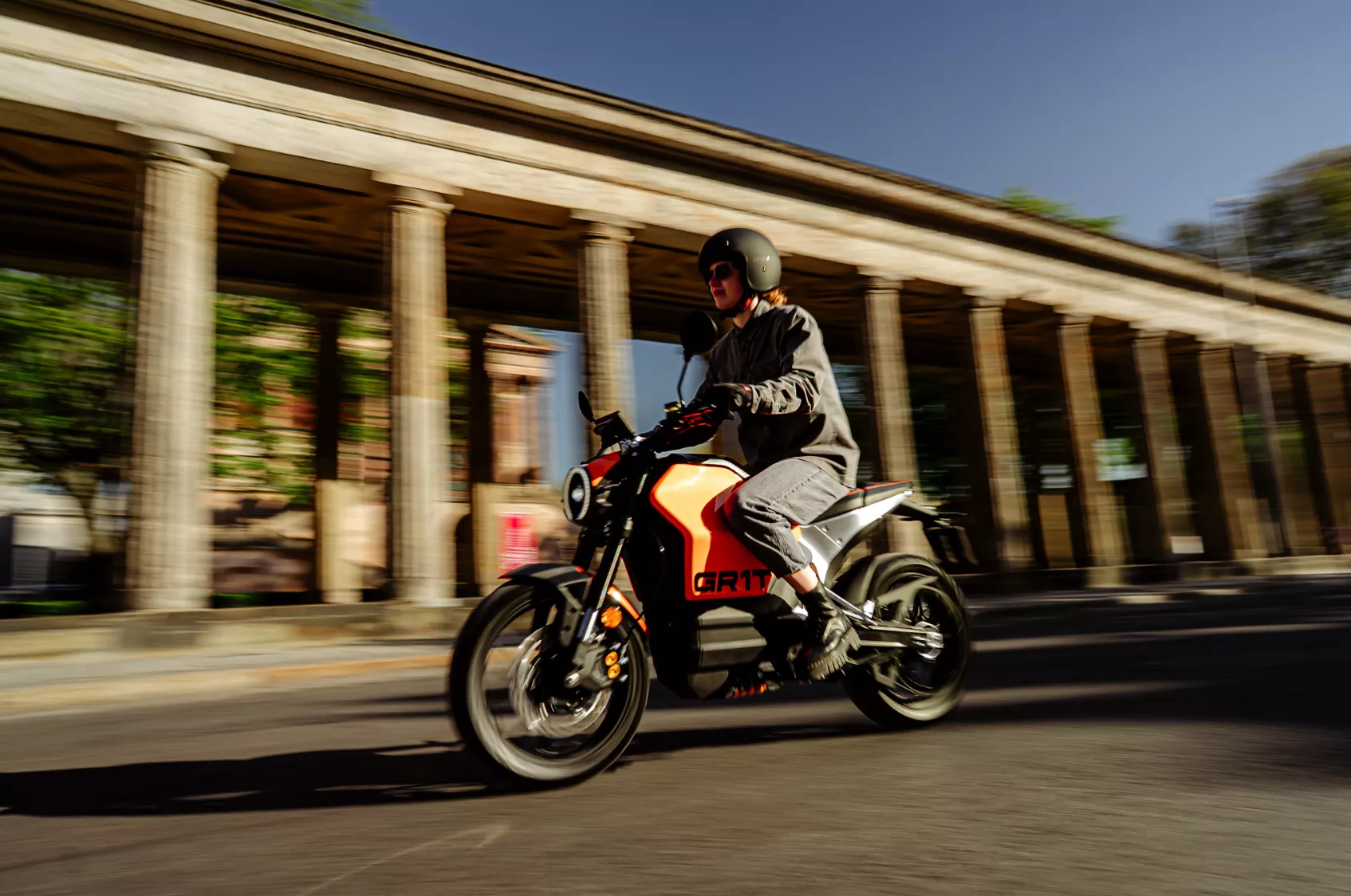
GR1T is betting that electric motorcycles still have a missing middle.
For years, the category has drifted toward two ends: low-cost scooter-style machines built for short city trips, and premium electric motorcycles priced for enthusiasts long before everyday riders.
The gap is easy to picture: a bike with more road presence than a scooter, fewer charging headaches than a garage-dependent electric motorcycle, and enough character to make electric feel like a choice, not a concession.
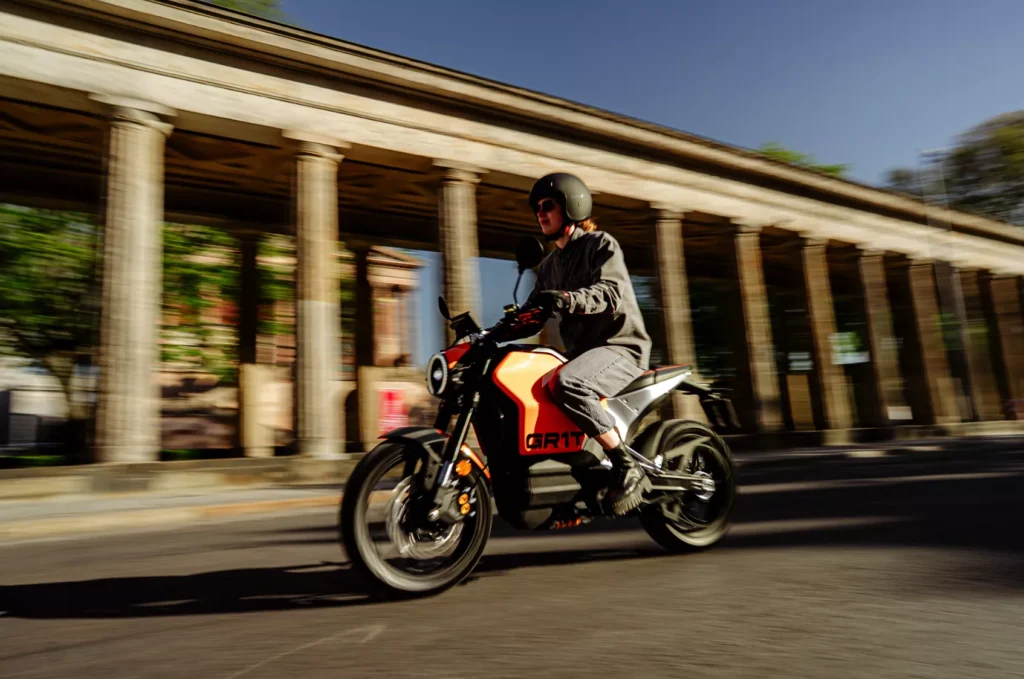
That is where the Berlin-based startup wants to place the G1S Street and G1X Scrambler.
Both are company-stated pre-production models planned around removable batteries, A1/B licence positioning, claimed city range of up to 150 km, and pricing from €7,000 plus VAT.
On paper, GR1T has found the right opening. The real test is whether it can turn that opening into homologated, manufactured, supported motorcycles that people can actually live with.
Electric two-wheelers are easier to find now. The harder thing to find is one that feels genuinely easy to choose.
At the low end, scooters and small electric runabouts make sense quickly. They are quiet, cheap to run, easy to park, and useful for short city trips. For many riders, that is enough. But they rarely create much attachment. They solve movement. They do not always make someone want the machine itself.
At the other end, electric motorcycles have become far more convincing. The torque is instant. The acceleration can be serious. The hardware has become credible. But price often pushes them into a narrower category: less everyday mobility, more enthusiast purchase.
In our conversation, Omar Abukhlal framed GR1T’s opening around the space between those two ends. Not because every scooter rider secretly wants a motorcycle, or because every petrol rider is ready to switch, but because the middle rider is still difficult to serve.
That rider may want a proper motorcycle shape, enough speed for ring roads and suburban stretches, and enough quality to feel proud of owning it. But they may also live in an apartment, park outside, think twice about charging access, and care more about running costs, removable batteries, storage, warranty, and service than about chasing the biggest number on a spec sheet.
That is the space GR1T is trying to enter: a motorcycle practical enough for daily city life, but still desirable enough to preserve the reason someone wanted a motorcycle at all.

One of GR1T’s most revealing design choices is also the plainest: before the bike makes an argument for electric, it has to pass the motorcycle test.
Omar Abukhlal described that as one of the starting points for the G1 platform. A petrol-bike rider walking past the bike should be able to see themselves on it. That sounds simple, but it pushes against a familiar habit in electric two-wheelers: using strange proportions, smooth panels, and futuristic surfaces to prove the machine is different.
GR1T takes a calmer route. The G1S Street and G1X Scrambler keep the cues riders already understand: exposed structure, a clear seat line, a proper stance, visible mechanical weight, and enough presence to avoid feeling like a scooter borrowing motorcycle proportions.
Motorcycle buying is rarely purely rational. Range, charging, speed, and price may shape the decision, but the first reaction is still instinctive. Does it look right? Does it feel like something worth owning? Would a rider feel proud parking it outside a café, office, or apartment building?
The harder part is making that familiarity work around an electric package. The shape still has to make room for removable batteries, storage, connected hardware, lighting, cameras, and the compromises that come with a compact electric platform.
That is the design test GR1T has set for itself: keep enough of the motorcycle language riders recognize, then rebuild the ownership experience around the realities of city charging, street parking, and daily electric use.
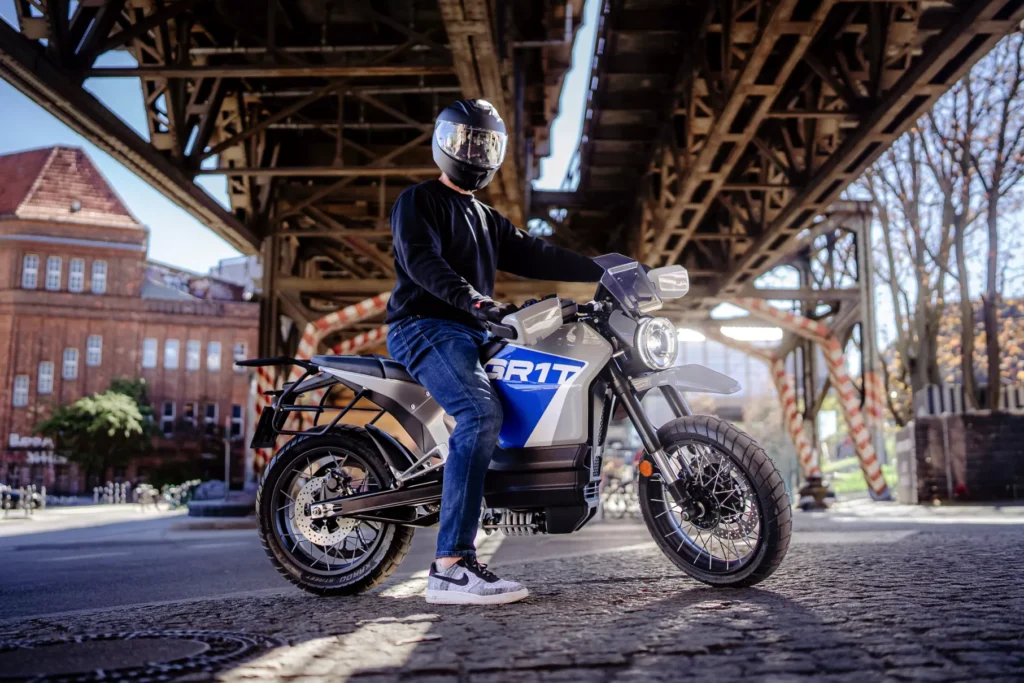
GR1T’s first lineup is built around a simple constraint: make one base carry more than one kind of rider.
The G1S Street and G1X Scrambler are not separate engineering stories. They are two versions of the same G1 platform, shaped for different expectations without forcing a young company to build two motorcycles from scratch.
That matters. For a startup, a wider lineup can be tempting: more variants, more announcements, more ways to look mature on a trade-show stand. But in motorcycles, every new version carries a bill. Certification work, parts variation, supplier pressure, inventory, training, documentation, warranty exposure, and service support all become heavier as the range spreads.
GR1T’s cleaner move is to keep the foundation narrow and let the character change.
The G1S makes the daily-use case: a street-focused electric motorcycle for city and suburban riding. The G1X takes the same base and gives it a rougher, more expressive shape for riders who want the practical argument, but do not want the bike to feel like a commuter appliance. The G1R Raider concept pushes the platform into a different world, where quiet operation, battery flexibility, cargo, durability, and duty-cycle demands start to matter more.
That makes the lineup more interesting than a Street, Scrambler, and Raider naming exercise.
The upside is clear. Shared architecture can make GR1T easier to scale, service, explain, and support. It gives the company more than one route into the market without multiplying complexity too early.
The risk is just as clear. A flexible platform only works if the variants feel meaningfully different. If the G1S and G1X feel too close, the lineup starts to look like styling. If the Raider stretches the architecture too far before the core bike is proven, ambition starts moving faster than execution.
That is the platform test for GR1T. The company does not need to prove it can announce a product family. It needs to prove that the G1 base is strong enough to support one.
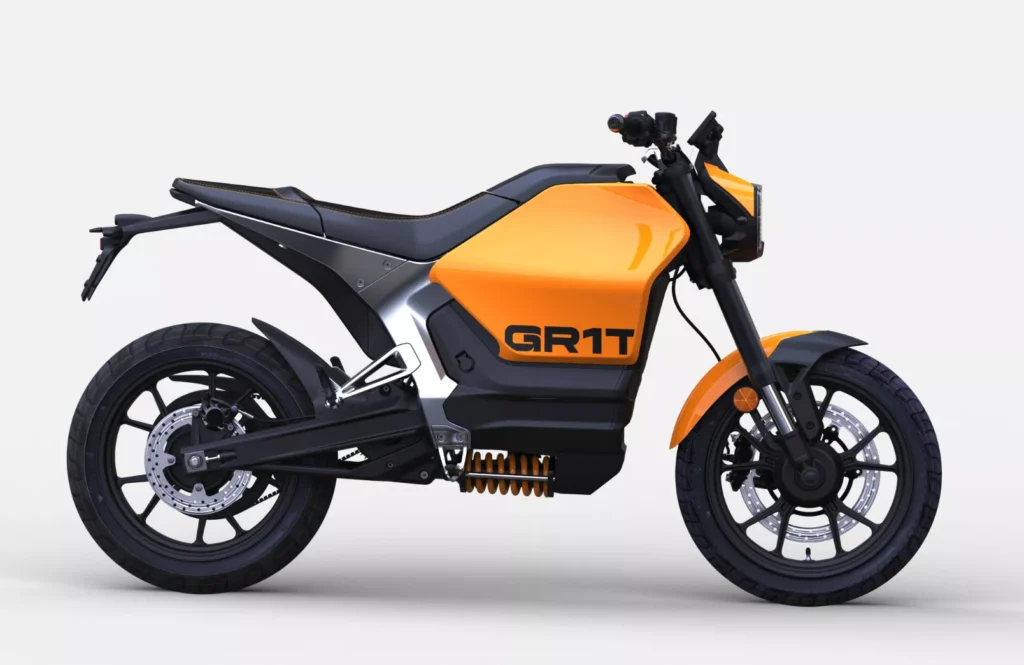
The G1S is the cleanest expression of GR1T’s original bet.
It is the street-focused model, aimed at riders who want the presence and speed of a motorcycle without moving into the weight, price, and ownership demands of a larger electric motorcycle. GR1T describes it as a lightweight city motorcycle, designed and engineered in Italy’s Motor Valley, with pricing from €7,000 plus VAT.
Its role is clear: stretch beyond the slow urban runabout without becoming a premium performance machine. A claimed 150 km of city range gives it enough room for commuting, errands, and lighter weekly riding. The 130 km/h top speed matters because it gives riders more confidence on faster connectors, ring roads, and suburban stretches where many small electric two-wheelers start to feel exposed.
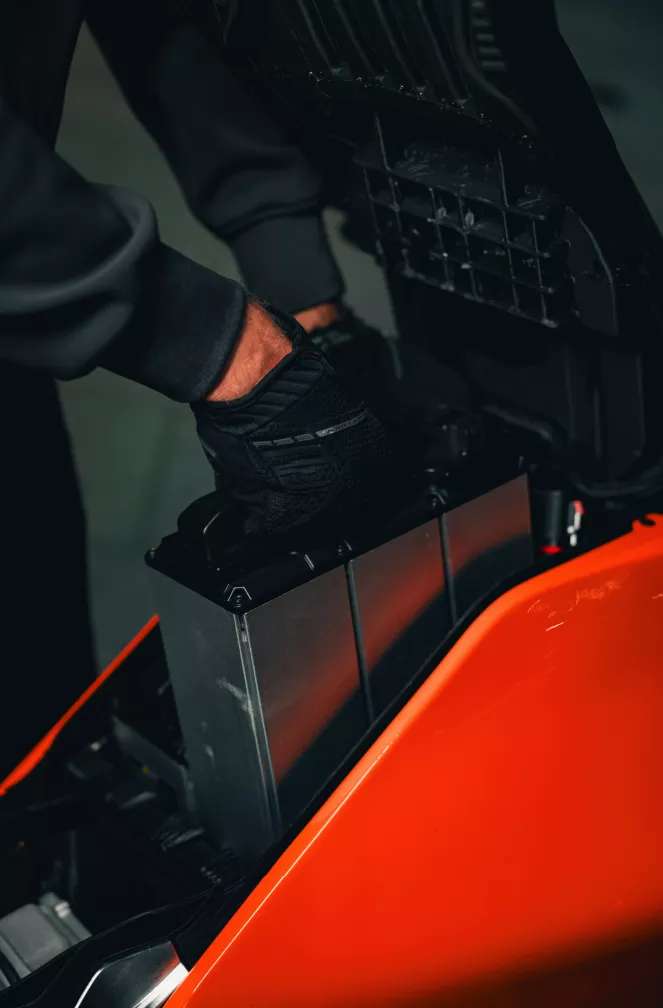
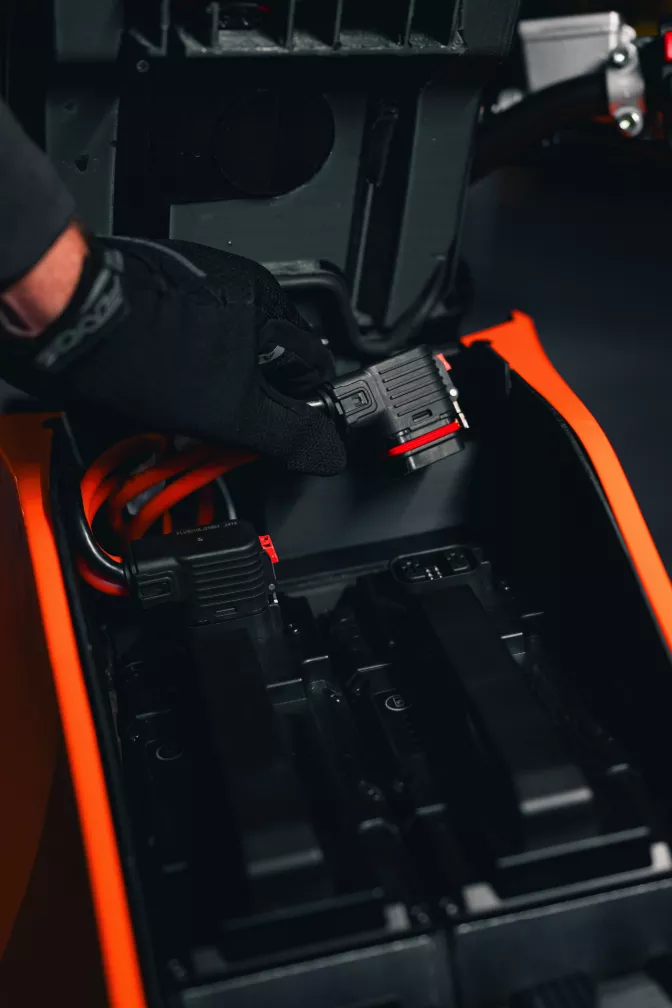
The ownership package is where the G1S becomes more interesting. Two removable batteries make sense for riders without a garage or wallbox. Storage and racks make daily use less awkward. GPS, cameras, keyless access, app diagnostics, and wireless phone charging add the layer of convenience and security that street-parked electric vehicles need.
The G1S does not rely on one spectacular number. Its case is built through the combination: enough range, enough speed, enough practicality, enough style, and a price that keeps it closer to daily mobility than enthusiast fantasy.
The G1X is where GR1T tests whether the same platform can sell through character as much as practicality.
It stays close to the G1S where the platform matters most: range, speed, removable batteries, power class, weight, and licence positioning. The price rises to €8,000 plus VAT, so the Scrambler version has to earn its premium without relying on a different powertrain.
GR1T frames it as the bike for riders who accept the G1S argument, but want something with a rougher stance, less commuter polish, and more room for weekend detours.
In motorcycles, those differences matter before anyone studies the spec sheet. Scrambler cues change how riders read the same base: rougher roads, mixed surfaces, imperfect routes, and a bike that can look at home outside the city centre as well as inside it. For GR1T, the details have to carry that: stance, tyres, trim, rack setup, hand protection, front-end treatment, and the way the bike sits in person.
That is also where the risk sits. If the G1X feels too close to the G1S, the extra €1,000 becomes hard to defend. If the Scrambler version feels meaningfully different, it gives GR1T another route to the same middle-market rider without multiplying engineering complexity.
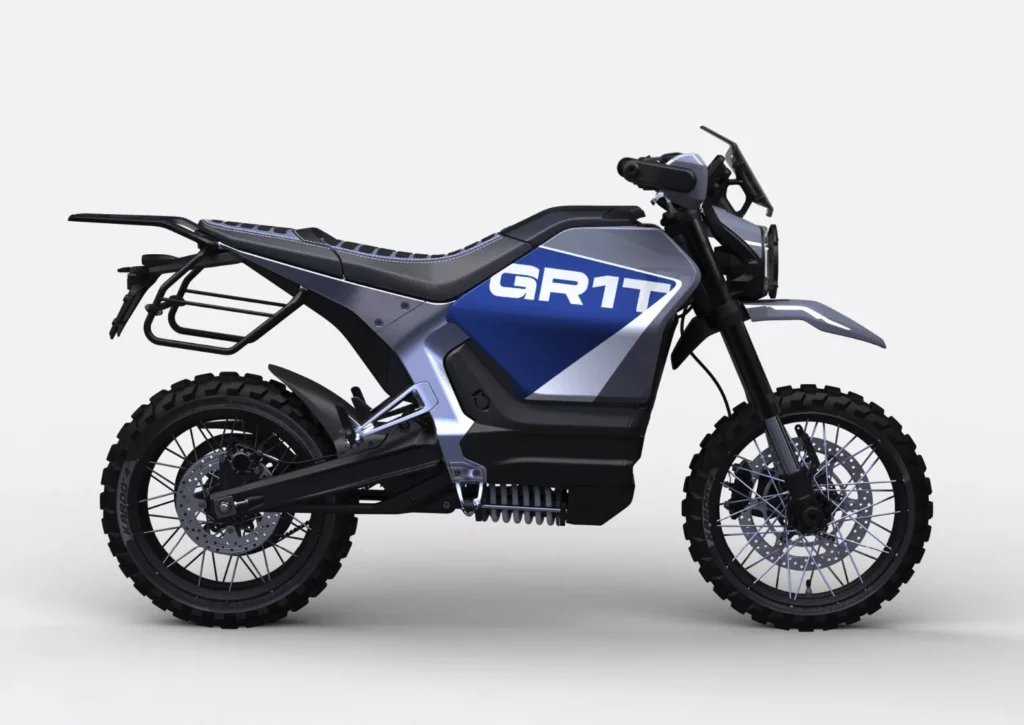
The G1R Raider is the outlier in GR1T’s lineup.
GR1T presents it as a dual-use tactical electric motorcycle concept based on the G1 platform, aimed at military, law-enforcement, security, civil protection, and demanding utility roles. It keeps the broad foundation of the G1S and G1X, including removable batteries, a compact electric drivetrain, and a claimed range of up to 150 km depending on configuration. But the job of the bike changes.
Raider is built around requirements private riders rarely think about: extra battery-carrying capacity, reinforced load points, modular attachments, higher ground clearance, off-road tyres, lighting control, waterproofing, and infrared shielding.
That moves GR1T into a more demanding market. Private riders may judge the G1S and G1X by design, charging, price, range, and daily convenience. Professional buyers look for uptime, spare parts, field charging, procurement, training, service access, and long-term supply. A tactical concept can open interesting doors, but it also raises the standard of proof.
That is why Raider should be read carefully. It does not prove GR1T has entered professional or defence markets. It shows how far the company thinks the G1 architecture could stretch if the core motorcycle reaches production and proves itself first.
For now, the real story remains the G1S and G1X. Raider matters because it turns GR1T’s platform claim into a sharper question: how much can the G1 base carry before ambition starts moving faster than execution?
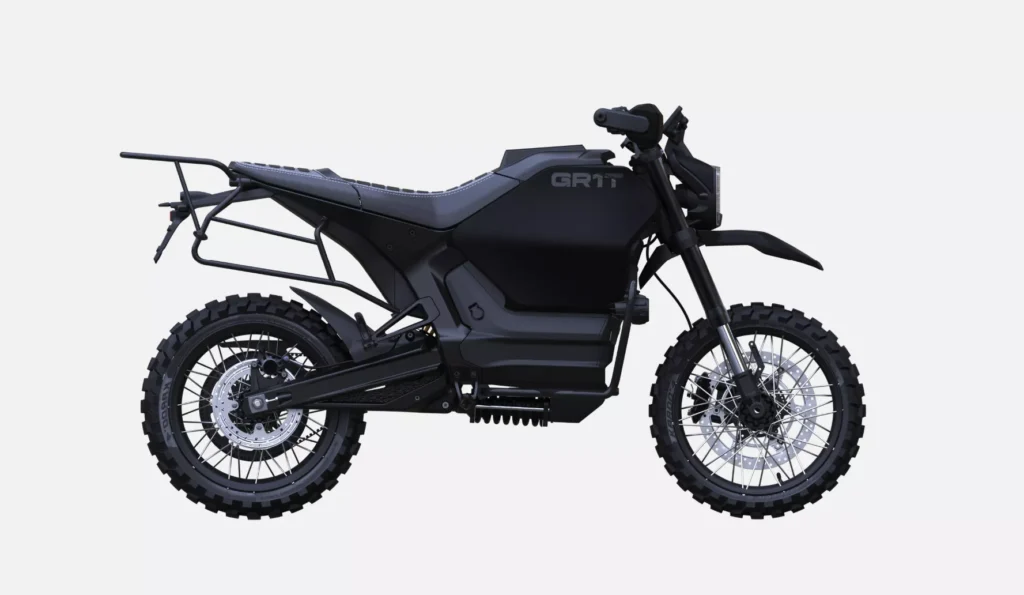
Spec sheets can flatter electric motorcycles.
A larger battery can hide weight. A higher top speed can hide cost. A big range claim can distract from the ownership question that matters more: can the bike handle a rider’s actual week?
For GR1T, that means street parking, charging without a private garage, short city trips, and enough speed for the roads between the centre and the suburbs.
That is the better way to read GR1T’s numbers.
Company-stated figures
Pre-production figures listed by GR1T. Final specs may change before homologation and customer deliveries.
| Area | Company-stated figure |
|---|---|
| Models | G1S Street, G1X Scrambler |
| Category | L3e electric motorcycle |
| Licence | Listed by GR1T as A1/B, subject to local rules |
| Claimed city range | 150 km |
| Top speed | 130 km/h |
| Nominal power | 11 kW |
| Peak power | 36 hp |
| Torque | 56 Nm at 3,200 rpm |
| Battery setup | Two removable batteries |
| Battery capacity | 5.92 kWh total, 2.96 kWh x 2 |
| Weight | 127 kg including batteries, 94 kg without batteries |
| Carrying capacity | 190 kg |
| Riding modes | City, Performance, Walk, Reverse |
| Starting price | G1S from €7,000 + VAT; G1X from €8,000 + VAT |
| Planned sales launch | January 2027 |
These figures should be read as GR1T’s current pre-production targets, not independent test results or final homologated production numbers.
The numbers work because they point in the same direction. A claimed 150 km of city range gives the G1 platform enough room for commuting, errands, and lighter weekly riding. The 130 km/h top speed gives it headroom for ring roads and suburban stretches. The 11 kW nominal output keeps the bike aligned with the A1-class positioning GR1T is targeting, while the 36 hp peak figure gives it more punch than the licence category might suggest.
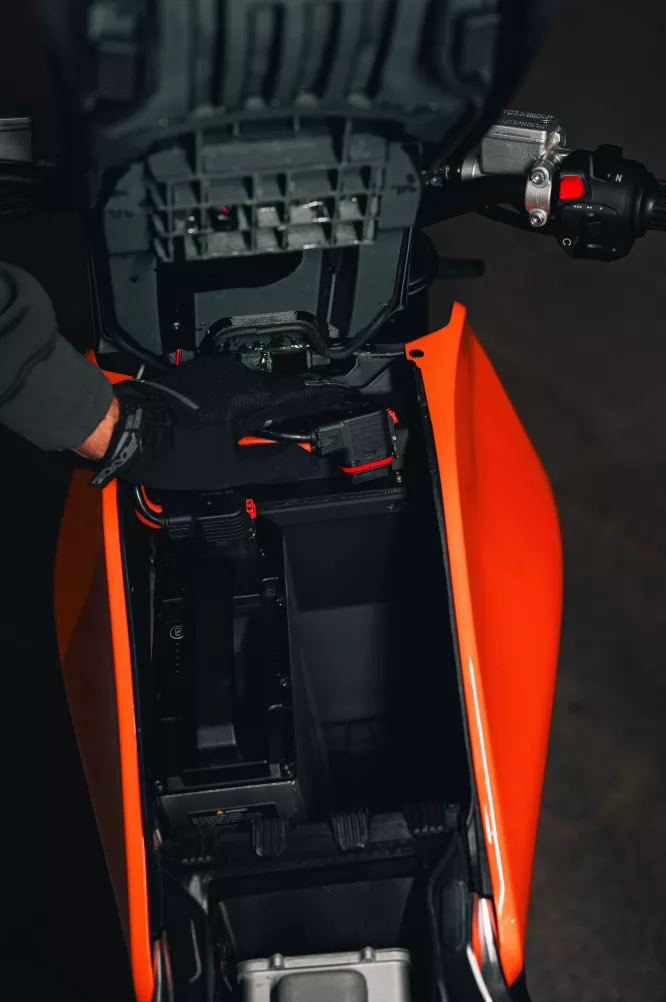
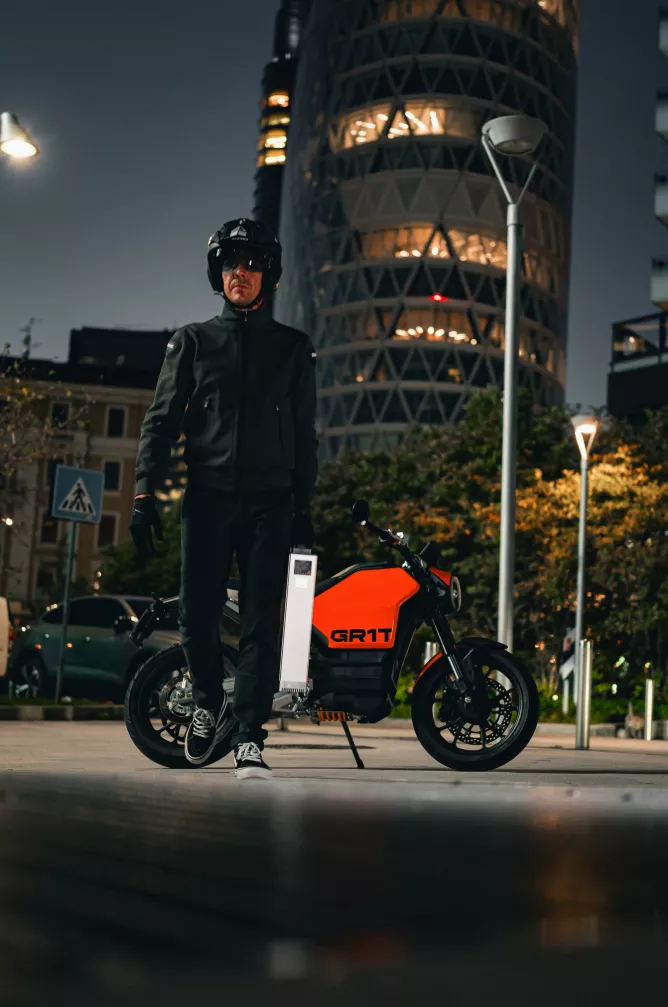
The removable batteries are the ownership hinge. For riders without a garage, wallbox, or reliable private charging, a fixed battery can make electric motorcycle ownership harder to justify. Two removable packs make the use case easier to picture: park outside, take the batteries upstairs, charge at home or at work, and plug directly into the bike when a fixed charging point is available.
These are company-stated pre-production figures, not independent test results or final homologated production numbers. GR1T says the street and scrambler models are scheduled to be homologated and authorised for EU roads and highways by late 2026. Until that process is complete, the spec sheet should be treated as GR1T’s target, not settled market fact.
GR1T’s most interesting engineering choice may be the one least likely to make a headline.
Omar Abukhlal says the first G1 platform avoids developing a fully proprietary powertrain from day one. The reason is practical: a motorcycle meant to start from €7,000 plus VAT cannot carry the cost of owning every major system before the company has reached production.
That choice needs nuance. Wheelab’s case study points to a serious engineering program, including bespoke battery pack design, selected motor and power electronics components, chassis engineering, FEA, prototype builds, bench testing, road testing, and data logging. GR1T’s approach is not simple parts-bin assembly. It is using proven components where they control cost and risk, then doing the harder work of making the full system feel like one coherent motorcycle.
That matters because proprietary hardware can become a liability for young EV brands. It can raise the price, narrow supplier options, and make service harder if the company struggles later.
Omar raised the owner side of that risk directly in our podcast. When a startup controls parts only it can supply, buyers can be left with a machine that gets harder to maintain every year if the company disappears. GR1T’s argument is that a more standard component strategy gives riders a better chance of finding replacement parts through the aftermarket and reduces long-term service anxiety.
The trade-off is integration. Proven components still have to become a reliable vehicle. Battery quality, software calibration, diagnostics, supplier consistency, warranty handling, service documentation, and dealer training all have to work together.
That is the quiet value of GR1T’s approach. The company is trying to keep the first platform buildable, price-conscious, and easier to support, while leaving itself room to learn what deserves deeper in-house control later. For the rider GR1T wants to reach, that restraint may matter more than a louder claim about proprietary technology.
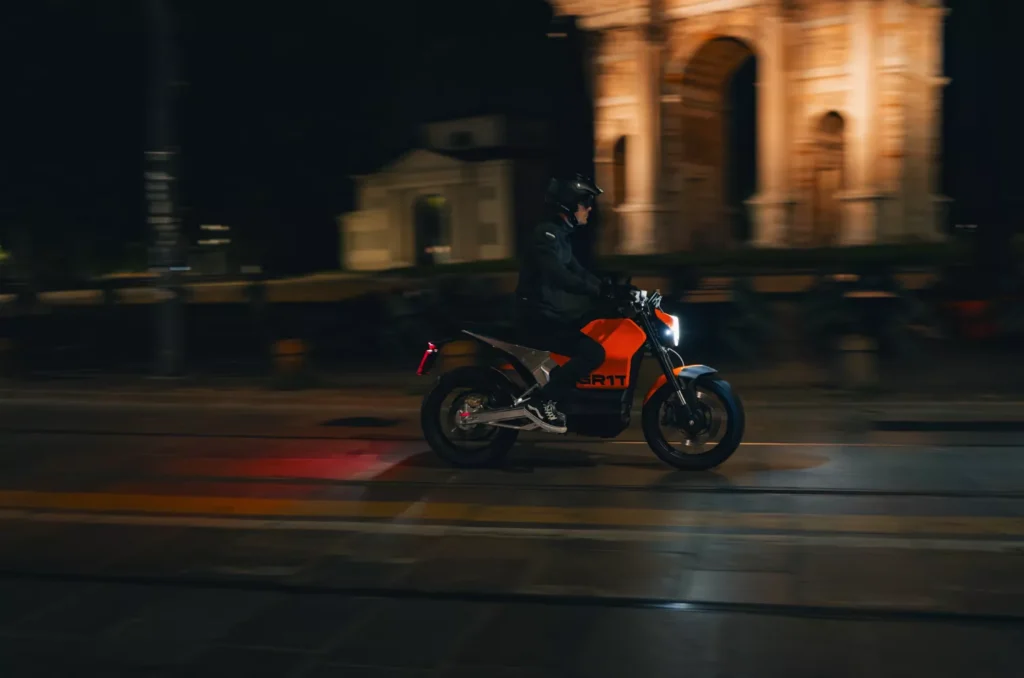
Range is usually the first question people ask about electric motorcycles. It rarely tells the whole story.
Nobody wants a vehicle that turns every ride into a battery calculation. But GR1T is not building a long-distance touring bike. Its target is the urban and suburban rider, where the more useful test is how well the bike fits a normal week: short commutes, errands, cross-city movement, and the occasional faster stretch beyond the centre.
That is where Omar Abukhlal’s argument becomes useful. In our podcast, he pointed out that riders often imagine range through worst-case scenarios, while daily riding is usually smaller, more repetitive, and easier to plan around.
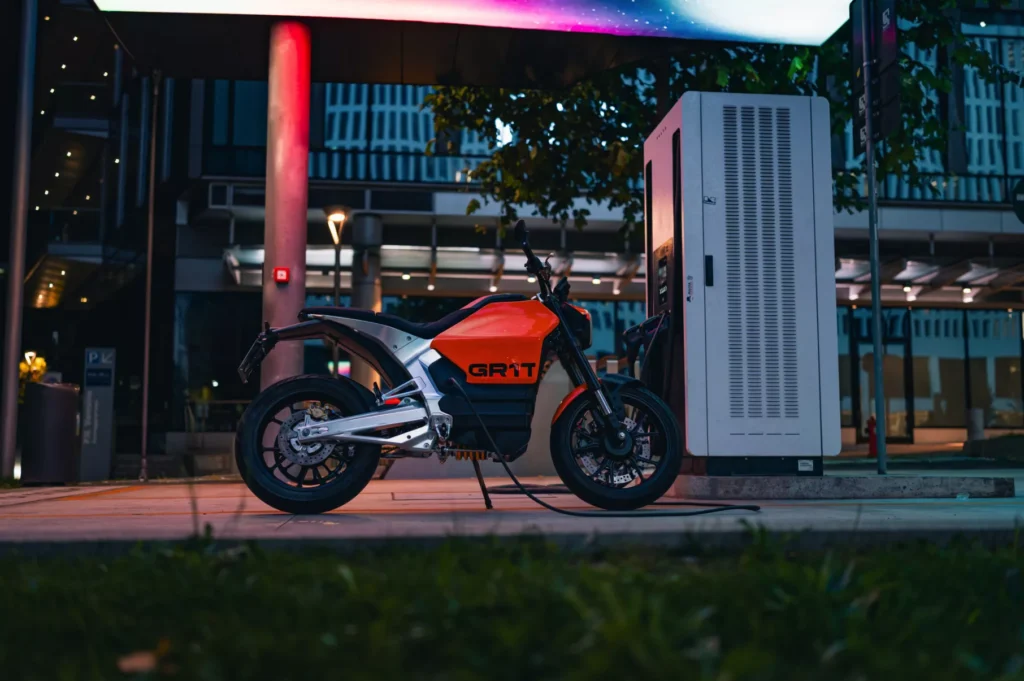
A claimed 150 km of city range helps. The removable battery setup may matter more. For riders without a garage, wallbox, or reliable private charging, a fixed battery can make electric motorcycle ownership harder to justify. Two removable packs give the bike a different rhythm: park outside, take the batteries upstairs, charge at home or at work, then plug directly into the bike when a fixed charging point is available.
Range still matters. Cold weather, battery ageing, hills, passenger weight, faster roads, and aggressive riding will all change the real number. GR1T’s range claim still needs final homologation, production validation, and independent testing.
For GR1T, the goal is to make electric ownership feel ordinary enough that riders stop treating it like a compromise.
At this point, GR1T’s hardest job is no longer explaining what the G1S and G1X are supposed to be. It is proving that the company can turn them into motorcycles riders can buy, ride, service, and trust.
That is a different kind of test from winning attention at a trade show or collecting early reservations. A credible launch needs local distribution, working service routines, validated engineering, clear warranty support, enough capital, and a production setup that can deliver consistent quality beyond the first few bikes.
GR1T has started to build that path. The Founder’s Circle gives it an early demand signal. The distributor plan shows how it wants to enter Europe market by market. Wheelab’s involvement gives the prototype story more substance. Public investor material points to the capital still needed for testing, production setup, and the planned January 2027 sales launch.
Those signals move GR1T beyond the weakest version of a mobility startup story: renders, ambition, and launch language with little underneath. They do not prove the launch. They show where the next test begins.
GR1T’s most visible early demand signal is the Founder’s Circle.
The offer was built around a €100 fully refundable reservation, priority access to the first production run, and a €1,500 discount for reservations made before 31 January 2026. That brought the early promotional price to €5,500 plus VAT for the G1S and €6,500 plus VAT for the G1X.
That sounds concrete, but it needs careful reading. GR1T’s reservation terms describe the reservation as a non-binding place on the waiting list for future production. It is not a sales contract, no vehicle is being sold or delivered at this stage, and the €100 fee is refundable before a binding purchase agreement is signed.
So the Founder’s Circle is useful, but only as an early signal. It shows that GR1T can collect structured interest before production. It does not yet show how many riders will convert once the final price, delivery timing, test-ride access, local service options, warranty process, and homologated bike are clear.
That is why the distributor plan matters.
GR1T says it plans to launch sales in January 2027 and is seeking national and regional distributors for a staged rollout between 2027 and 2029. The first priority markets are Italy and Greece, followed by France and Spain, then Germany and Portugal, with expansion depending on funding, joint sales planning, cash flow, and sales constraints.
That order makes sense if GR1T expects its first buyers to come from markets where motorcycles already play a practical role in daily mobility. Omar made a similar point in the podcast when he contrasted southern Europe’s motorcycle culture with markets further north.
But a distributor plan only becomes real when riders can feel it locally. A buyer needs to know where they can test the bike, who services it, how warranty claims are handled, how quickly parts arrive, and what happens if something goes wrong six months after delivery.
GR1T’s launch will feel real only when the map turns into test rides, service points, spare-parts access, and support routines in the markets it wants to enter first.
GR1T’s prototype story has more substance because Wheelab is involved.
Wheelab says it supported the project from market analysis and product brief through styling, vehicle layout, electric powertrain engineering, chassis and body engineering, FEA, prototype builds, bench testing, road testing, data logging, and EICMA 2025 prototype preparation. The case study also says the work produced two fully running prototypes for road testing and powertrain tuning, plus a rolling chassis for bench validation and structural verification.
That gives GR1T a credible engineering trail. The company has moved beyond attractive visuals and launch claims into running hardware, testing, and validation work.
But prototype credibility is not production proof.
A running prototype can show that the concept is buildable. It does not yet prove supplier readiness, homologation, tooling, assembly quality, cost control, warranty process, or repeatable production. Those are the problems that decide whether a promising mobility startup becomes a vehicle company.
GR1T’s roadmap leaves a tight path ahead: factory development in summer 2026, pre-orders in fall 2026, and a planned sales launch in January 2027. Capital sits underneath that plan. The company’s investor material currently says GR1T is raising €5.5 million, while the same page also lists a €7 million investment raise and €7 million use-of-funds total. Until GR1T clarifies the figure, the safest reading is that the company still needs funding and execution to move from convincing prototypes to repeatable production.
This is the exposed part of the story. The G1S and G1X already make sense as products. The next question is whether GR1T can make them work as manufactured, supported, road-legal motorcycles that riders can buy, ride, service, and trust.
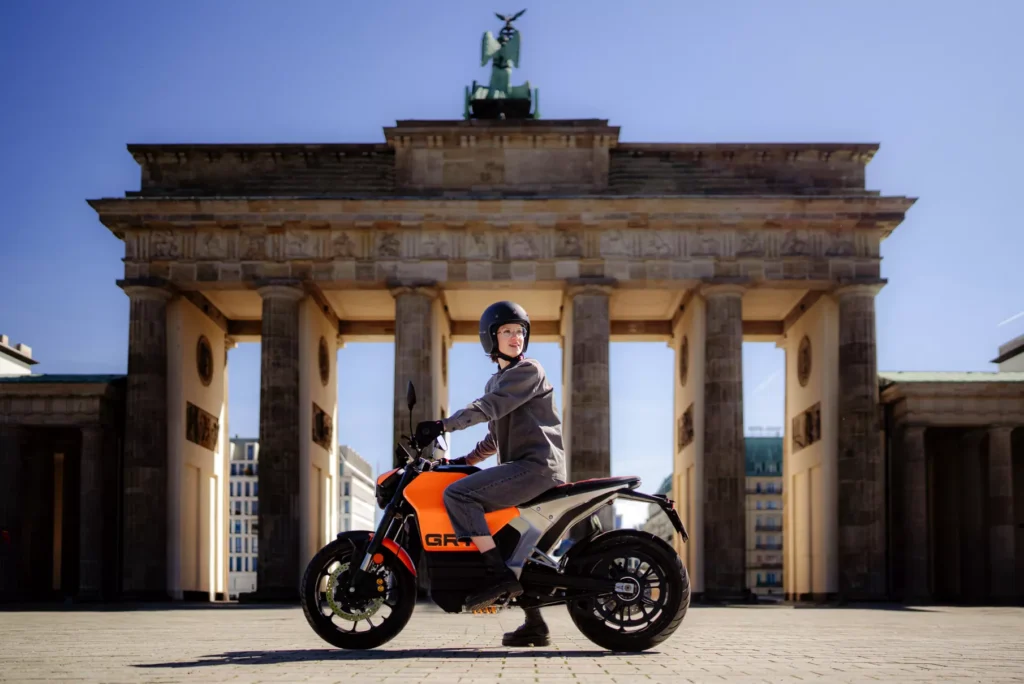
GR1T’s position becomes clearer when the comparison is about role, not rank.
Vmoto, Zero, Maeving, and CAKE each represent a different answer to the electric motorcycle problem: accessible city transport, mature performance, design-led commuting, and the cautionary startup lesson. GR1T is trying to place the G1 platform between those answers.
Vmoto / Super Soco is the closest reference point on accessibility. The TC Max already sits in the L3 / 125cc-equivalent electric motorcycle space, with removable-battery ownership, B/A1 licence positioning, 95 km/h top speed, and 110 km of range at 45 km/h. Vmoto’s advantage is simple: it is already in-market. Customers can understand it, buy it, service it, and compare it through existing dealers. GR1T is aiming above that reference point in speed, stance, battery capacity, and motorcycle presence, while still trying to stay close enough on price to remain an everyday mobility argument.
Zero Motorcycles is the mature performance benchmark. The Zero S shows what a more established electric motorcycle platform can offer: higher top speed, stronger peak output, ABS, software depth, and a published power-pack warranty structure. But Zero also sits in a different price and ownership category. GR1T should not be judged as a cheaper Zero. Its opening is lower in the market: lighter, less expensive, removable-battery friendly, and focused on riders who need electric motorcycling to work across city and suburban use.
Maeving is the cleanest design-led commuter comparison. The RM1S shows that removable batteries, simple charging, strong visual identity, 70 mph top speed, and up to 80 miles of range can make electric motorcycling feel personal rather than purely technical. That overlaps with GR1T’s thinking, but the character is different. Maeving leans classic, calm, and commuter-friendly. GR1T is pushing for something more road-oriented: higher claimed speed, a broader platform story, and a bike that wants to feel less like a retro city commuter and more like a compact everyday motorcycle.
CAKE is the cautionary reference. The Swedish brand built some of the most distinctive electric two-wheelers in the category, attracted serious attention, and created a design language people remembered. It still filed for bankruptcy before being acquired and relaunched under new ownership. For GR1T, the lesson is direct: design attention and investor interest help, but they do not replace production discipline, parts availability, service access, dealer confidence, and customer support after launch.
Seen this way, GR1T is choosing a precise slot: above the simplest electric commuters, below mature premium electric motorcycles, more flexible than a pure city bike, and more cautious about serviceability than a young hardware brand built around highly proprietary systems.
That is a small target, but a useful one. The category already has enough extremes. The harder prize is the middle: a bike everyday riders can choose without feeling like they have accepted too many compromises.
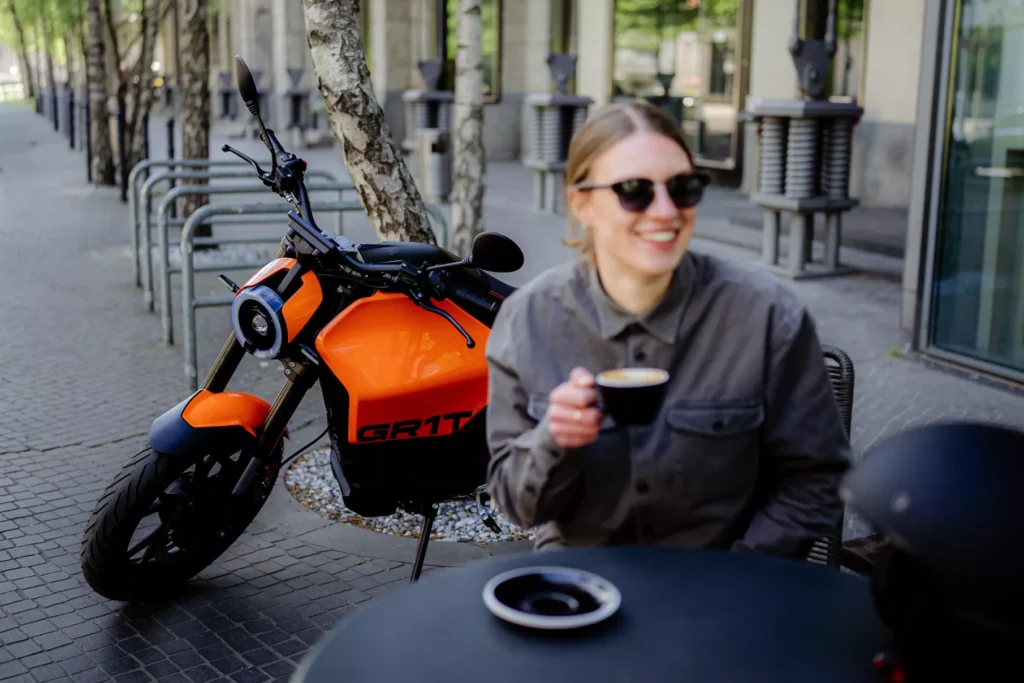
GR1T has already done the part that earns attention. The bikes look coherent. The market gap is easy to understand. The product logic feels sharper than many early electric motorcycle stories.
Now the test gets harder.
A prototype can prove that an idea works once. Homologation and manufacturing have to prove that the same motorcycle can be certified, built repeatedly, and delivered at a consistent quality level. Until that happens, GR1T’s figures around range, speed, weight, power, and equipment should still be treated as company-stated targets. Attractive numbers matter. Certified, repeatable numbers matter more.
The price has to survive the same test. The €7,000 plus VAT starting point is central to GR1T’s argument because it keeps the bike close to the useful middle of the market. But that price still has to absorb tooling, production, logistics, distributor margins, warranty provision, battery sourcing, and after-sales support. The removable batteries bring their own questions: lifespan, degradation, diagnostics, replacement cost, and warranty coverage once the bikes are in daily use.
Then comes local trust. GR1T’s distributor route makes sense on paper, but riders will judge the company through test rides, spare parts, repair speed, software support, battery service, and whether someone nearby can fix the bike when something goes wrong. That is where a startup stops being interesting and starts becoming dependable.
The final test is demand. GR1T’s middle-ground thesis sounds logical, but logic does not create a market by itself. Scooter riders may stay with cheaper machines. Petrol riders may wait. Premium EV buyers may keep looking upward. GR1T has to prove that enough riders want this exact mix: motorcycle shape, removable batteries, accessible licensing, useful speed, and a price that still feels reachable.
The opening looks real. The product response is coherent. The hard part now is proving that the middle of the electric motorcycle market is not just visible, but big enough to build a company around.
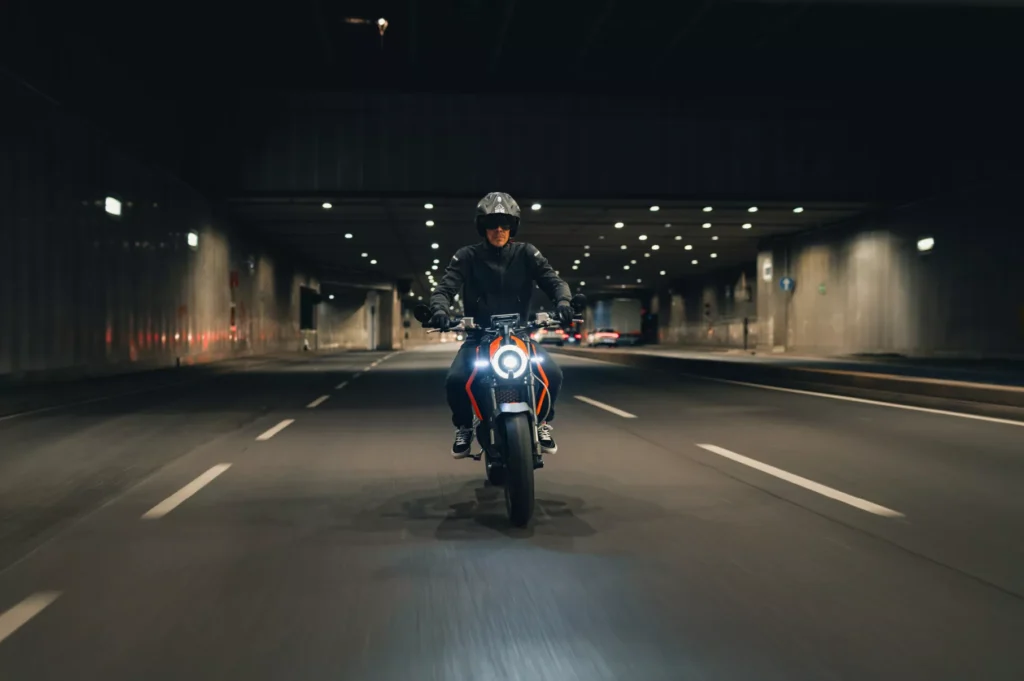
GR1T matters because electric motorcycles still struggle to reach the everyday rider.
Low-cost electric scooters have shown that small urban EVs can be cheap, simple, and practical. Premium electric motorcycles have shown that battery power can deliver real speed, torque, and desire. The harder product sits between them: a motorcycle riders can afford, charge, service, and still feel proud to own.
That is the test GR1T is taking on.
The company has not proven it yet. The G1 platform still has to clear production, homologation, distribution, service, battery support, and customer trust. But GR1T is asking one of the more useful questions in the category: what would make an electric motorcycle feel like a realistic daily choice, instead of a compromise or a luxury purchase?
If the G1S and G1X reach production with their price, usability, and ownership promise mostly intact, they could become one of the more interesting tests of whether electric motorcycles can move from niche enthusiasm into everyday European mobility.
That sounds less dramatic than chasing the fastest bike in the category. For everyday electric motorcycling, it may matter more.
Watch our podcast episode with Omar Abukhlal, CEO and co-founder of GR1T: