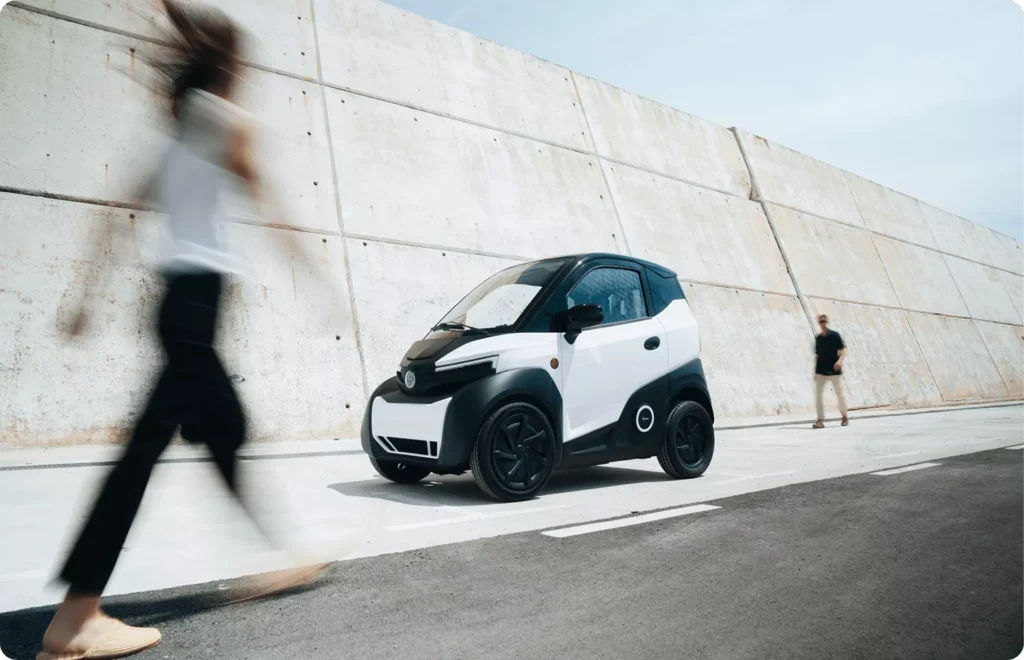
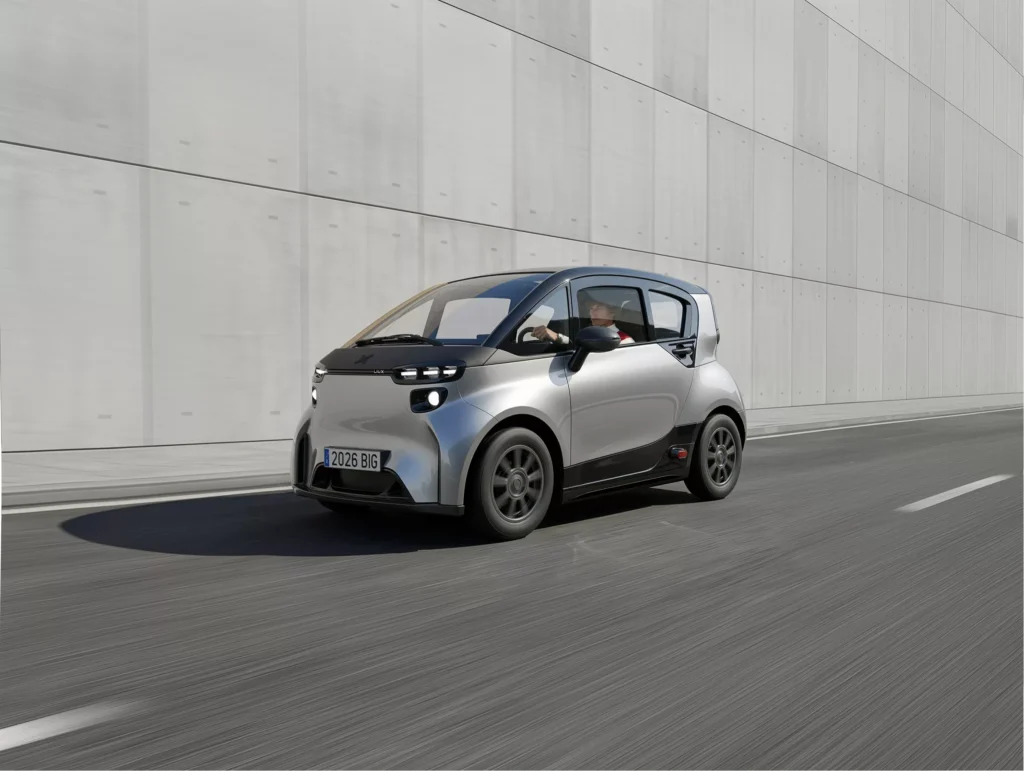
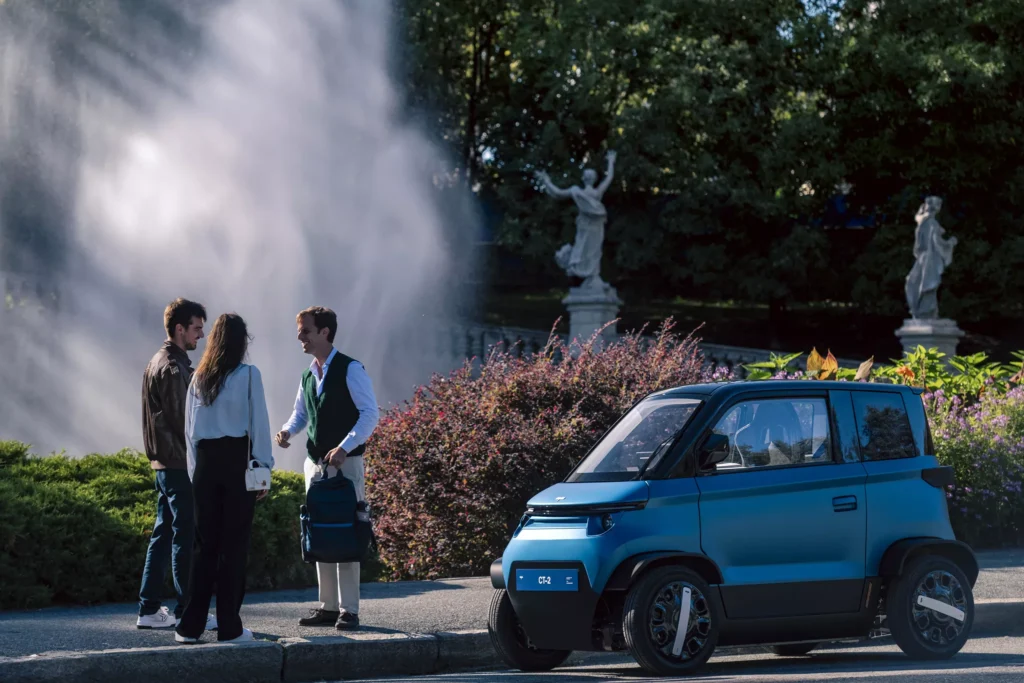
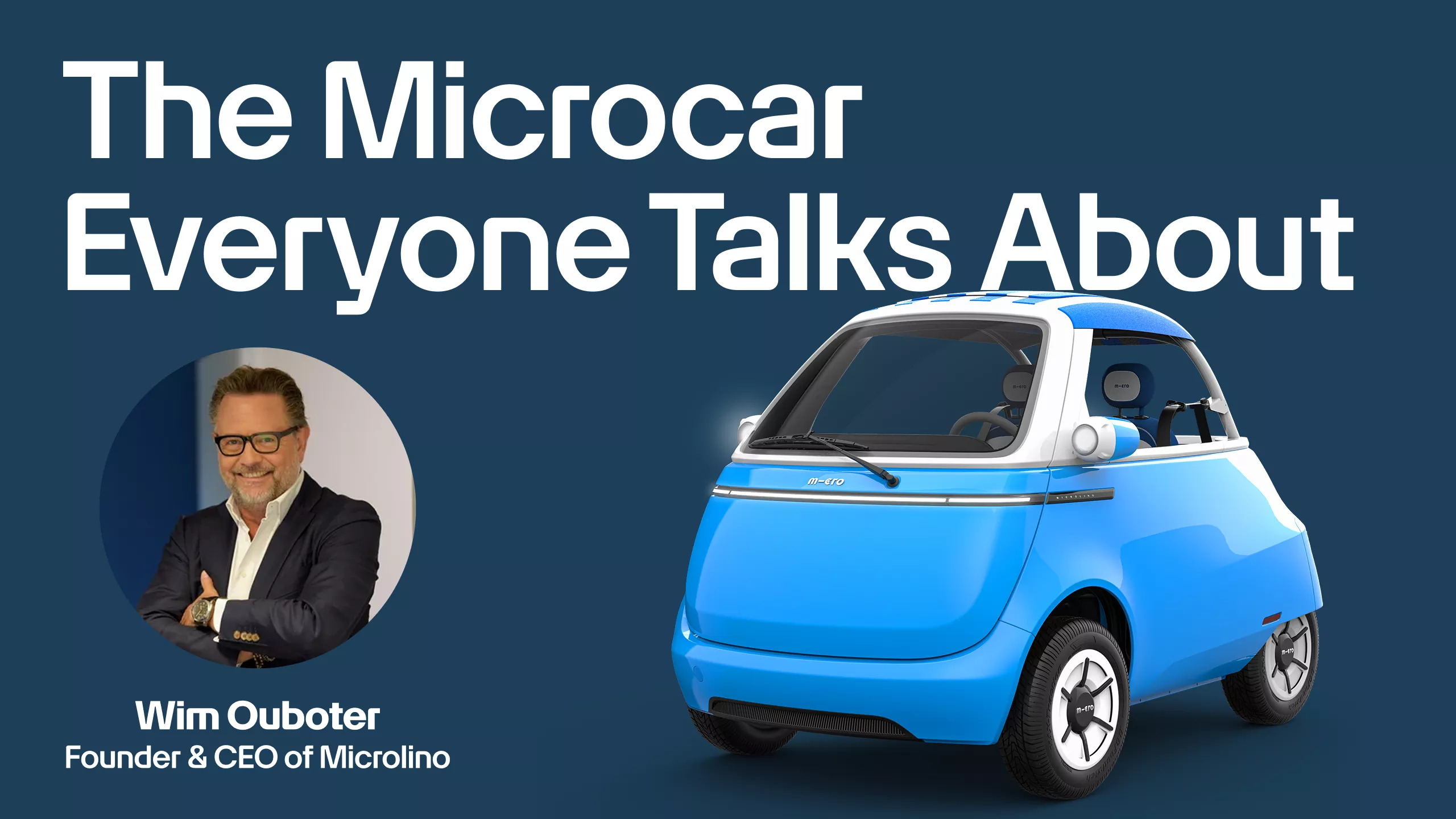
Microlino is a Swiss-built electric microcar inspired by the BMW Isetta, rethought for modern city life. It’s small enough to park where normal cars struggle, quick off the line thanks to low weight, and built around a simple idea: most daily trips do not need a full-size car.
In this episode, we sit down with Wim Ouboter, Co-Founder and CEO of Microlino, to unpack how the company went from “micromobility” roots to building a real production micro-EV, why the front door exists, what the L6e and L7e categories unlock, and where Microlino goes next, from fleet deployments to a Microlino 3.0 built for higher volumes.
You work in urban mobility, transport planning, or parking policy
You follow small-format EVs, quadricycles, and L-category regulation
You’re building or investing in hardware mobility startups in Europe
You’re curious how fleets and car-sharing operators think about micro-EVs
You care about the “right-sized” EV debate, weight, batteries, and real city impact
In this episode, you’ll learn:
⚡ Why Microlino starts with one question, “how much car do you really need?” ⚡ How the Isetta-inspired front door enables cross parking and changes the city-use experience ⚡ The logic behind three battery sizes, and why Microlino avoids fast charging as a “daily trips” vehicle ⚡ Why Wim chose the L7e niche first, and how Microlino Lite fits into the L6e conversation ⚡ What Microlino claims about footprint, weight, and why smaller batteries matter ⚡ How European manufacturing realities pushed Microlino to source some parts from China ⚡ What Microlino 3.0 is, why it may drop the front door, and why CKD assembly changes global expansion ⚡ How fleets, cities, and companies are buying Microlinos, including corporate “walk the talk” stories ⚡ The metric most people miss, tire and brake particle emissions, and why size matters even after electrification
Topics covered include
Microlino’s origin story, from Micro scooters to building a microcar brand with family involvement
Why “downsizing a normal car” was not the goal, and how bubble-car design language created a new identity
City practicality, dimensions, parking, front-door mechanics, and the learning curve for first-time drivers
L6e vs L7e basics, and why fragmented rules across Europe slow rollout and complicate product planning
Production lessons from building in Italy, what changed post-COVID, and where costs forced supply chain trade-offs
Safety positioning, unibody construction, and why Microlino prioritizes being “safe for the city around it”
Fleet and sharing use cases, what works, what’s harder (front door), and why exposure still matters
Where Wim wants Microlino next, Paris, Milan, London, and why policy signals and city leadership matter
Microlino’s long-term plan, investor conversations, scaling to tens of thousands of units, and global market adaptations
Subscribe to Charging Stack for more podcast episodes, deep dives, and case studies with the people keeping the future of mobility running. ⚡
Share your love
Filip Bubalo
Researcher & writer for Charging Stack. Marketing manager at PROTOTYP where I help mobility companies tell better stories. Writing about the shift to electric vehicles, micromobility, and how cities are changing — with a mix of data, storytelling, and curiosity. My goal? Cut through the hype, make things clearer, and spotlight what actually works.