
From EVs and batteries to autonomous vehicles and urban transport, we cover what actually matters. Delivered to your inbox weekly.
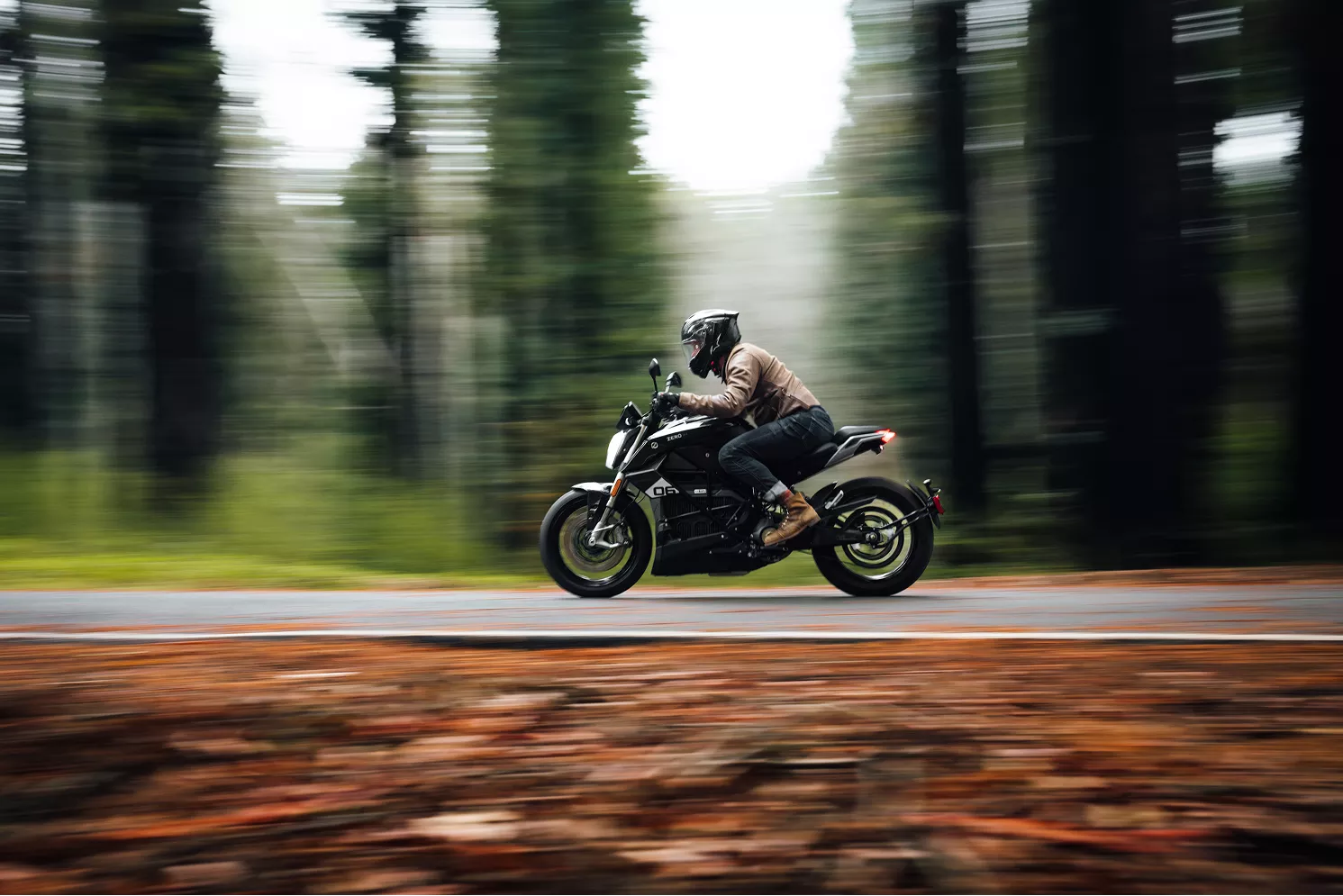
Zero Motorcycles has already done the hard part. It proved that electric motorcycles can be fast, credible, and desirable. It built proprietary powertrains, a real software layer, fleet and authority proof, and one of the strongest names in the category. But it still does not offer DC fast charging.
That gap is why Zero matters right now. This is no longer a story about whether electric motorcycles can be serious machines. Zero settled that years ago. The harder question is whether its version of the future still holds up as expectations rise, competition gets sharper, and premium buyers start treating charging speed as part of the product rather than something they can work around.
Zero still has the technology, the credibility, and the product depth. What it has to prove now is whether that is enough.
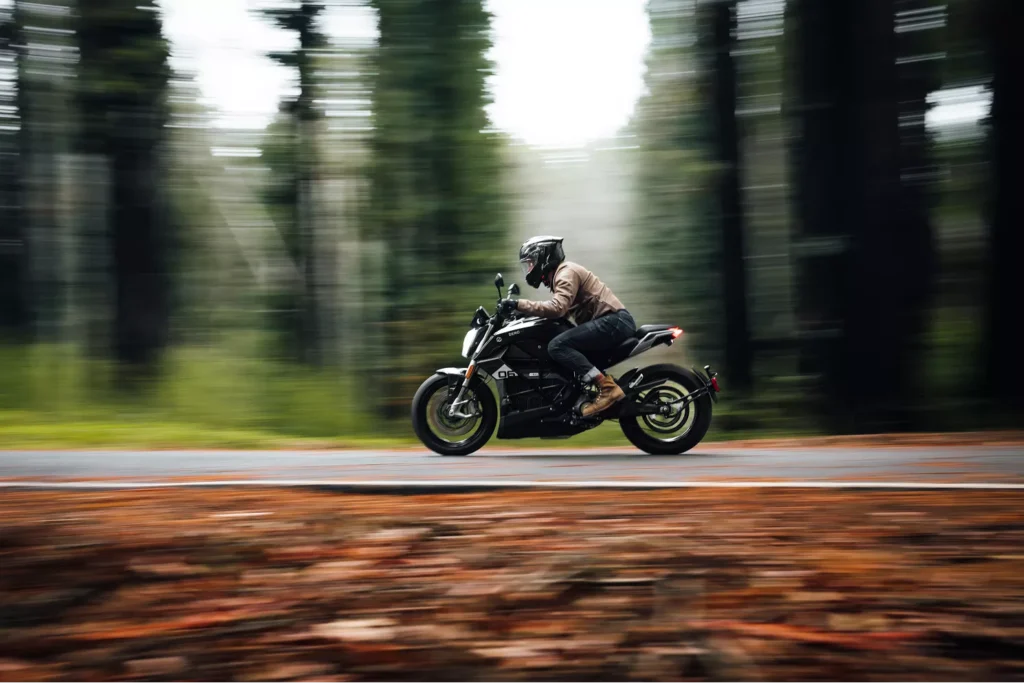
Zero has already won the argument that mattered most fifteen years ago. Electric motorcycles are no longer being judged on whether they can be fast, serious, or desirable. Zero helped settle that.
The company has been building motorcycles since 2006, carries real pioneer weight in the category, and still stands out as one of the few Western electric motorcycle companies with enough product depth, technology ownership, and market history to be judged on execution rather than novelty.
That changes the standard. Zero is no longer a curiosity. It is a real company with real constraints, selling into a market that now asks tougher questions about charging, service, support, and long-term product logic. That is what makes the brand worth looking at now.
Zero’s roots still matter because they explain why the brand carries more weight than most electric motorcycle names. The company was founded in 2006 by Neal Saiki in the Santa Cruz area, originally as Electricross, and started from a simple idea – lithium-ion batteries had finally become good enough to make a real electric motorcycle possible.
Zero attacked that problem from the dirt-bike side first, with lightweight off-road machines, and built upward from there.
That long arc matters because the field around it has changed. A lot of electric motorcycle brands have struggled to survive, find scale, or move beyond one narrow product lane. Zero is still here, still private, and still building around a proprietary stack that includes the Z-Force powertrain and Cypher software system.
That does not make the company untouchable. But it does make it one of the few names in the category that has stayed relevant long enough to face a harder kind of scrutiny.
The stronger signal is where the bikes are trusted to work. Zero’s own financing language in 2022 said the company was already present in more than 200 police departments and authority fleets, while the Europe-facing fleet material says there are hundreds of Zero motorcycles in use by authorities across Europe.
That is a level of institutional proof most electric two-wheelers never get close to!
The European deployments make that claim more concrete. In Spain, Zero has supplied bikes to Policía Nacional, Guardia Civil, and, most visibly, the Mossos d’Esquadra, which added 25 fully equipped DSR/X motorcycles in April 2025, becoming the largest Zero DSR/X police fleet in Europe.
Italy adds smaller but still meaningful deployments through Polizia di Elmas and Polizia di Pistoia.
In the UK, South London Ambulance Service and South Yorkshire Police have added Zero motorcycles to their lineup.
That matters because these buyers strip the brand of its easiest marketing advantages. Police, ambulance-adjacent services, and authority fleets do not care much about category hype. They care about whether the bike stays available, whether charging fits the duty cycle, and whether support holds up once the machine starts doing real work.
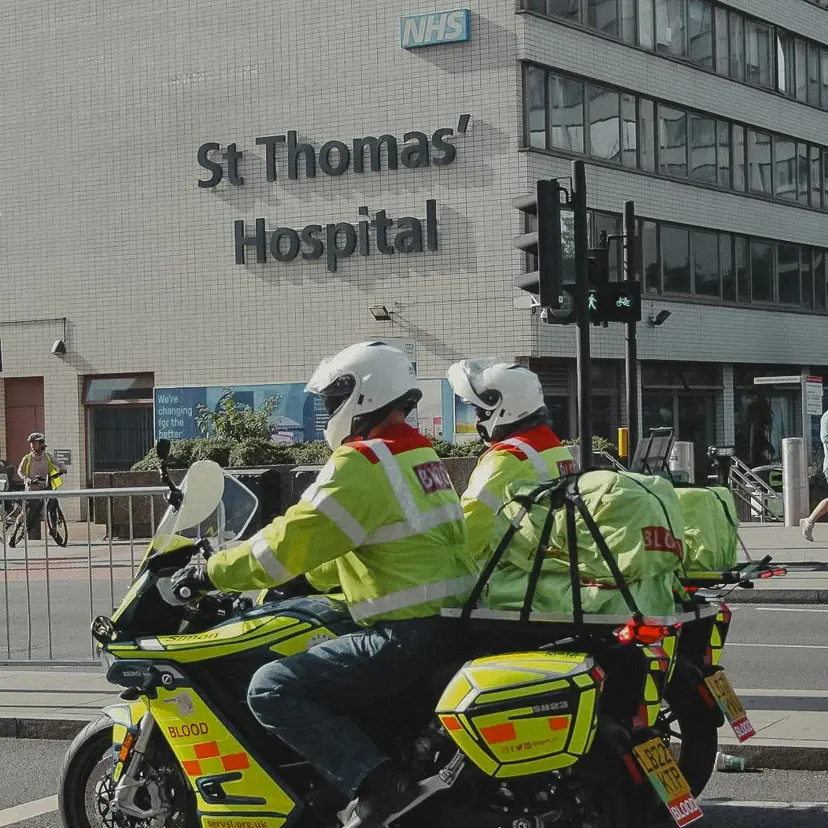
The same pattern shows up in London through SERV Blood Bikes, where Zero’s motorcycles have been used for time-critical hospital courier work over multiple years.
This is why Zero deserves a harder look. It already has the history, the technology, and the kind of proof most electric motorcycle brands spend years trying to claim. The real question now is not whether the company belongs in the market. It is whether the version of the future Zero has built still looks strong enough as the market around it matures.
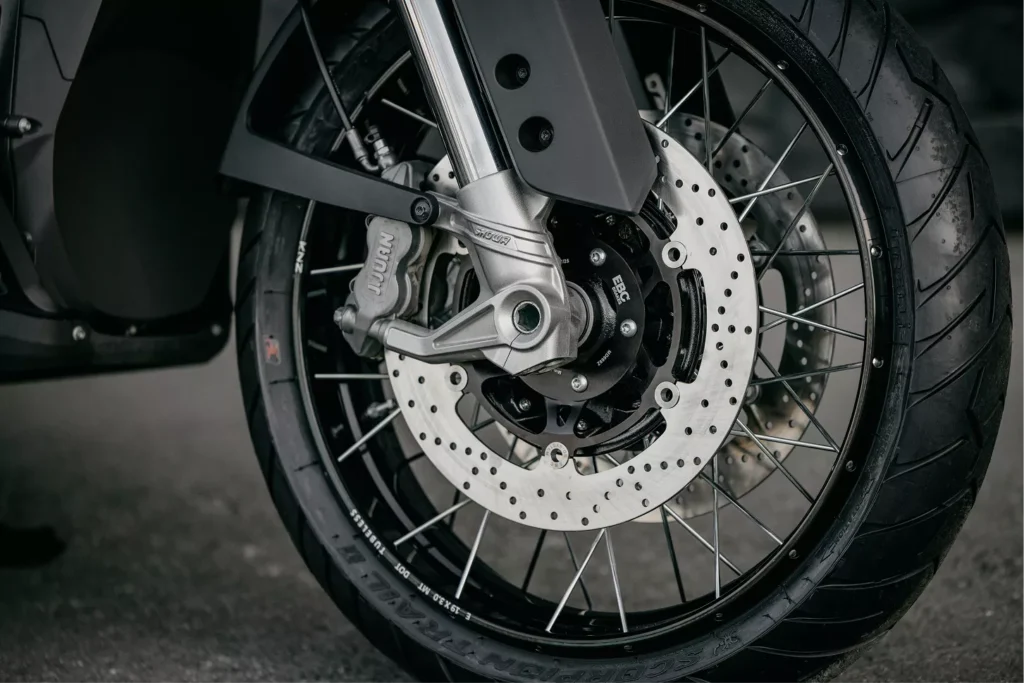
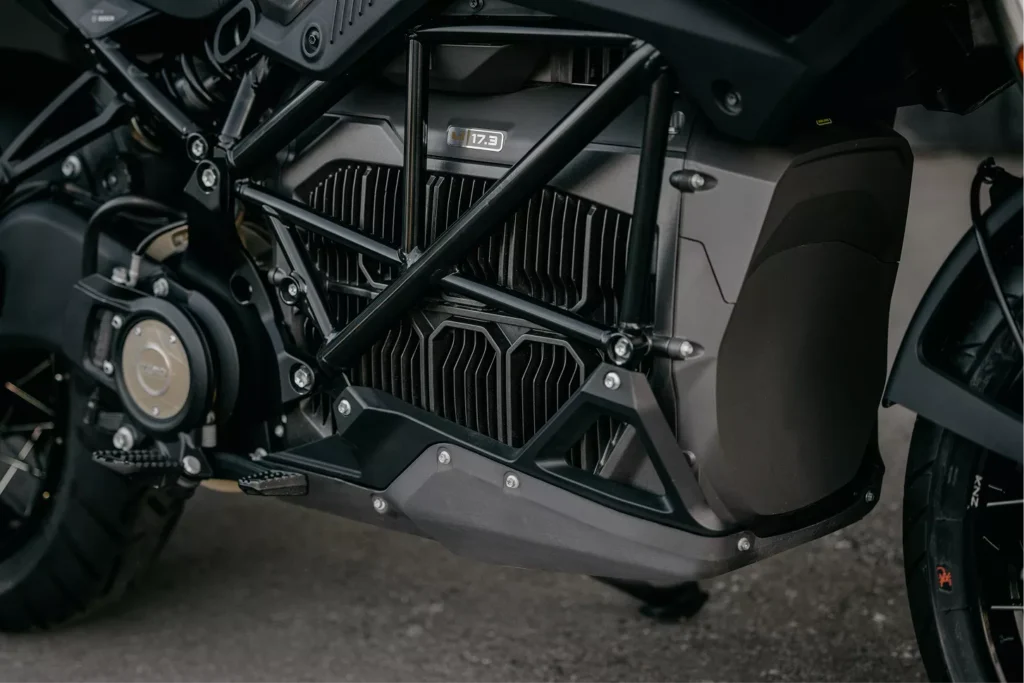
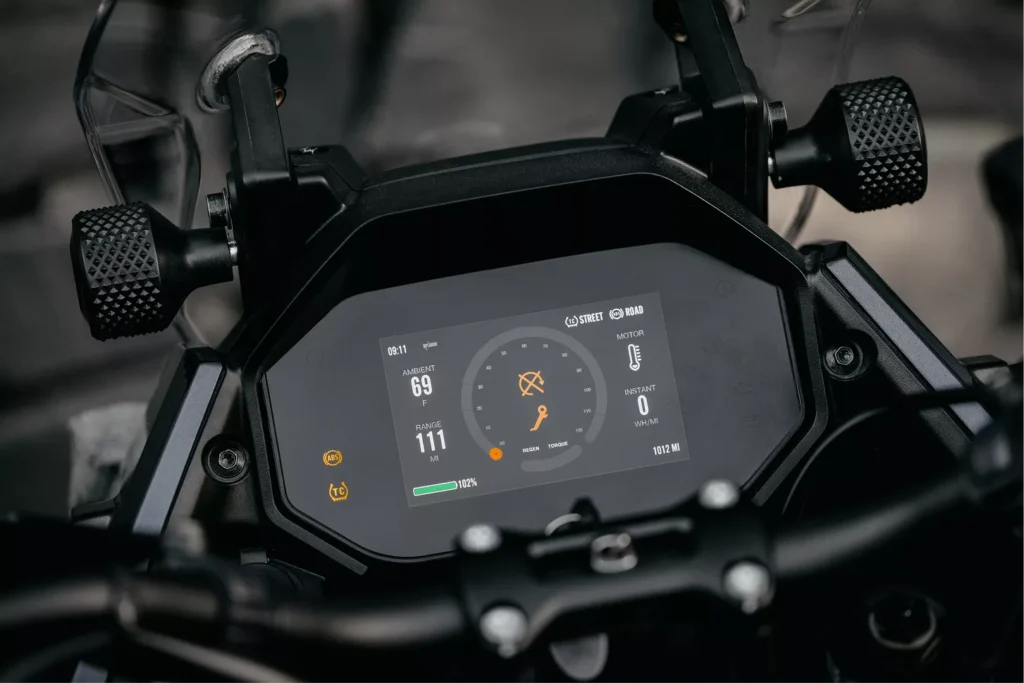
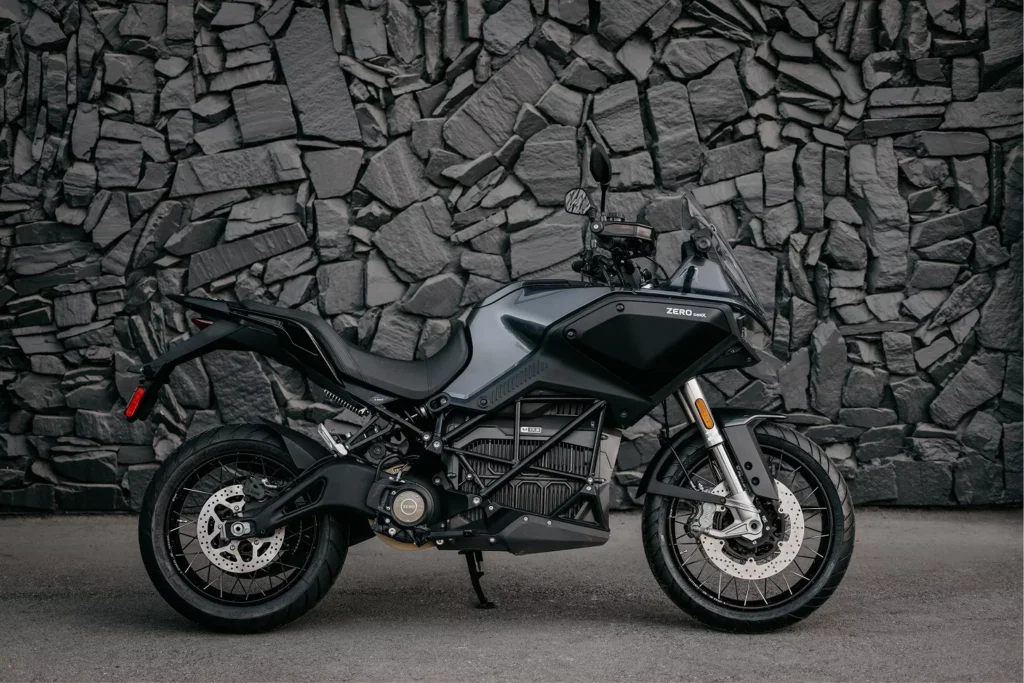
Zero is not really selling electric motorcycles one by one. It is selling a system. The bikes matter, but they are only part of the pitch. The real offer is a mix of proprietary powertrains, software-defined features, modular charging choices, and a brand that still wants to sit in premium territory even as it reaches for a broader market.
That is what makes Zero more interesting than a straightforward performance brand, and also what makes the company easier to misread.
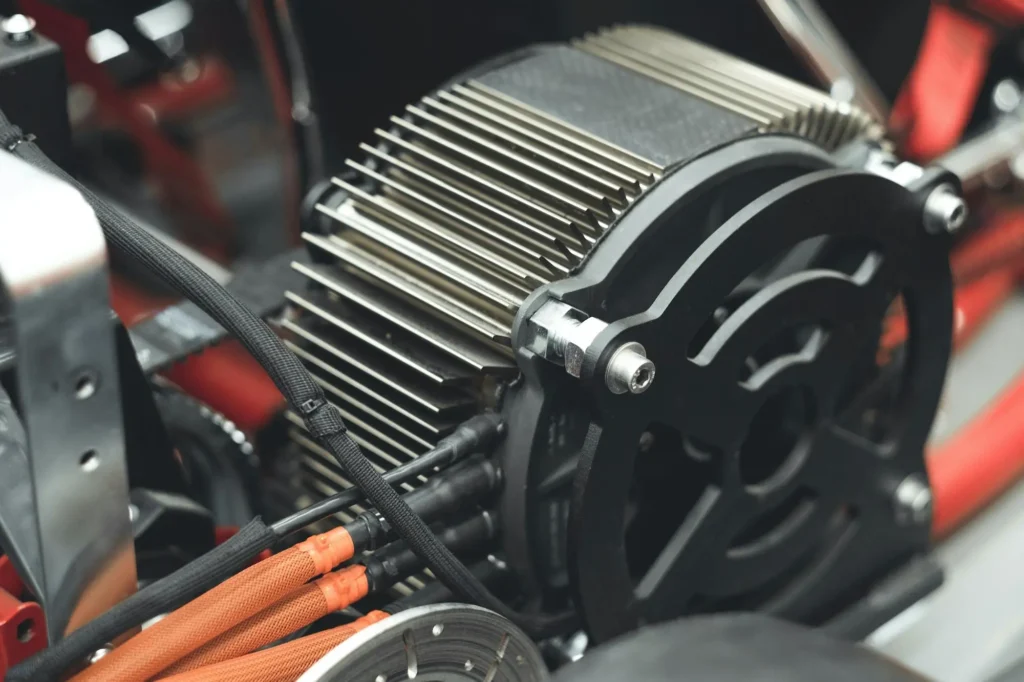
A lot of Zero’s edge sits below the bodywork. The company has spent years building around its own Z-Force powertrain and Cypher operating system, and that combination gives it something most rivals still do not have: a motorcycle that behaves more like a platform than a fixed product.
Zero’s operating loop works and is connected across three layers: modular hardware, software monetization and updates, and dealer or fleet support around the bike.
That is a much more ambitious model than just selling a premium machine and walking away.
Cypher is the clearest sign of that ambition. It is not just an app or a settings menu. It is the layer that lets Zero keep changing what the bike is after the sale, through ride customization, firmware updates, battery and charging management, and post-purchase feature unlocks.
The Cypher Store pushes that furthest. Owners can buy added performance, faster charging, navigation, reverse and creep functions, and extra usable battery capacity after they already own the motorcycle. On some bikes, that means the same hardware can behave like two very different products depending on what gets unlocked later.
On the SR, the Performance Boost upgrade can turn a 73 hp commuter-grade bike into a 110 hp performance machine, delivered OTA through the app. No normal motorcycle brand sells power that way at scale.
That is what makes Zero’s software story more than a talking point. It changes the commercial relationship. Instead of selling one bike once, Zero keeps a longer grip on the machine through updates, upgrades, and paid unlocks tied to the VIN and carried across resale.
And this is not purely about monetization. Public firmware notes point to substantive changes around charging profiles, BMS and BMU behavior, stability control, storage modes, and charging-related fixes. That makes Cypher feel less like branding and more like a real operating layer that keeps the motorcycles active after delivery.
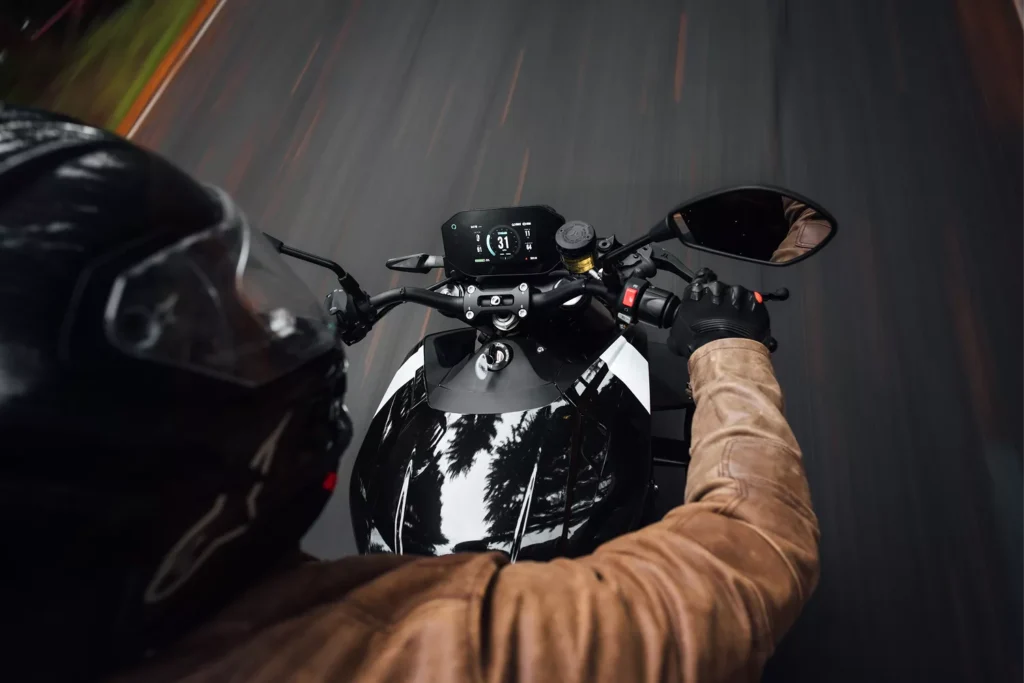
This is where the strategy gets harder. Zero’s premium identity was built on expensive, technically serious motorcycles that felt clearly separate from the commuter and scooter end of the market.
That is still the center of gravity. The SR/F, SR/S, and DSR/X carry most of the brand’s reputational weight, and it’s very clear that the premium core still defines how Zero is perceived.
But the company is now reaching below that old floor in a serious way. The All Access push, announced at EICMA 2024, commits Zero to six models under €10,000, and the first wave already shows what that means in practice: the XB, XE, and LS1. These are not trimmed-down versions of the old premium bikes. They are genuinely different products built to widen the funnel, with lighter formats, removable batteries, lower licensing thresholds, and much lower prices.
The upside is obvious. Zero gets access to riders who were never going to start with a €20,000 motorcycle. It also gets a broader base for dealers, a stronger case for Europe, and more room for partner-driven scale through companies like Hero MotoCorp.
The risk is just as obvious. The further Zero moves into cheaper, lighter, and more crowded segments, the harder it becomes to protect the premium, software-led identity that gives the brand its authority in the first place. This is a real tension, especially with the X Line’s Chinese manufacturing origin via Zongshen complicating the old “California-designed premium pioneer” narrative.
That is the bet in plain terms. Zero is trying to grow, widen access, and make its technology travel farther than its original niche, without letting the brand flatten into just another electric vehicle label. That is a much harder thing to pull off than launching another motorcycle.
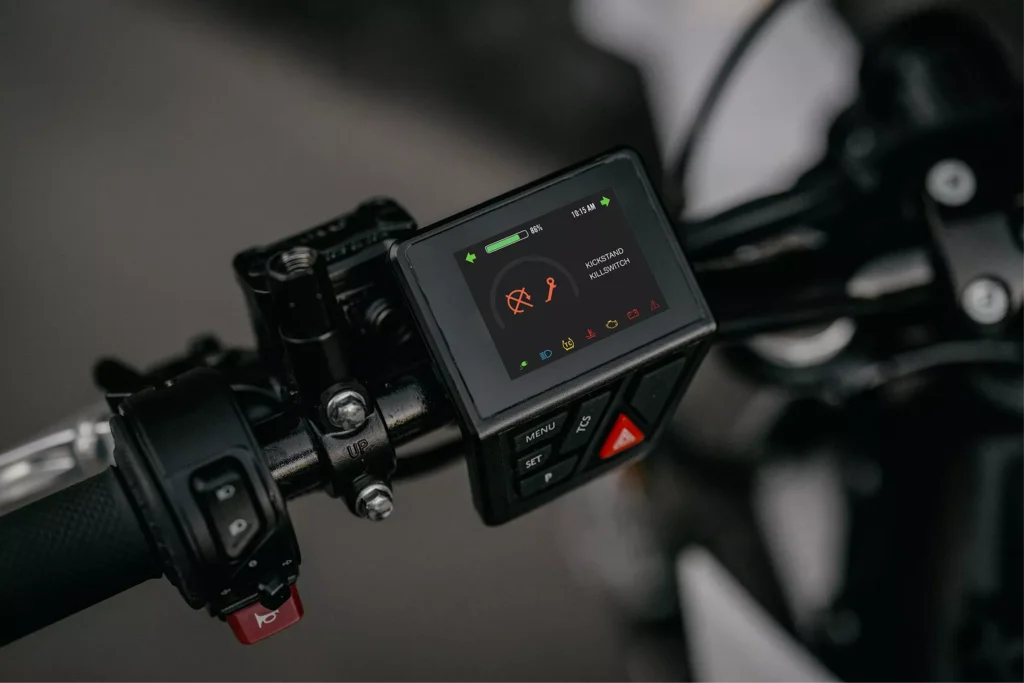
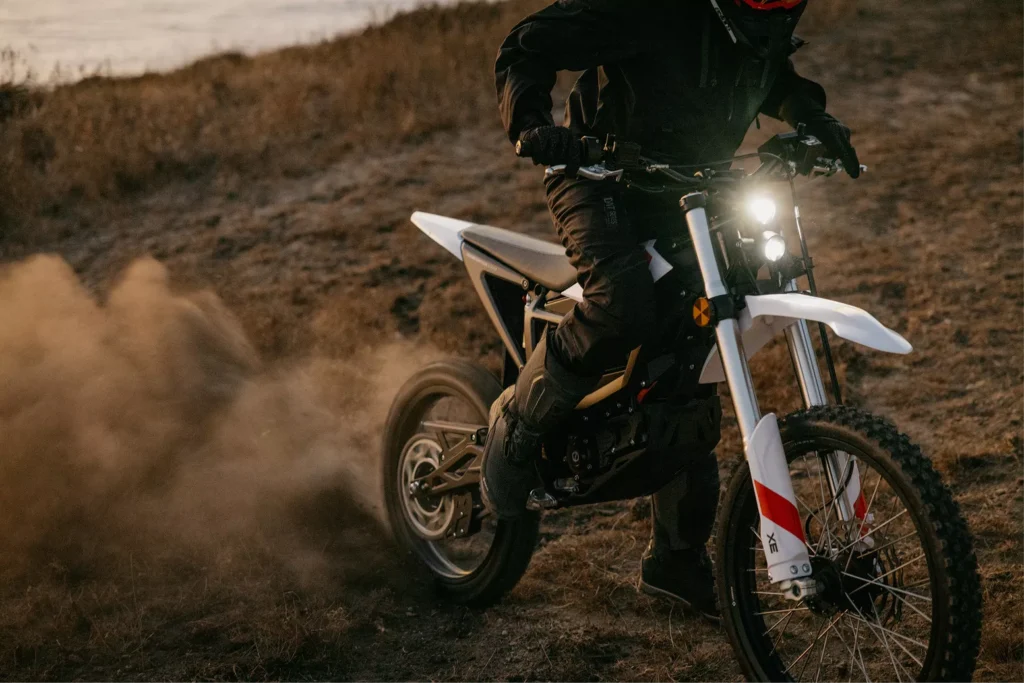
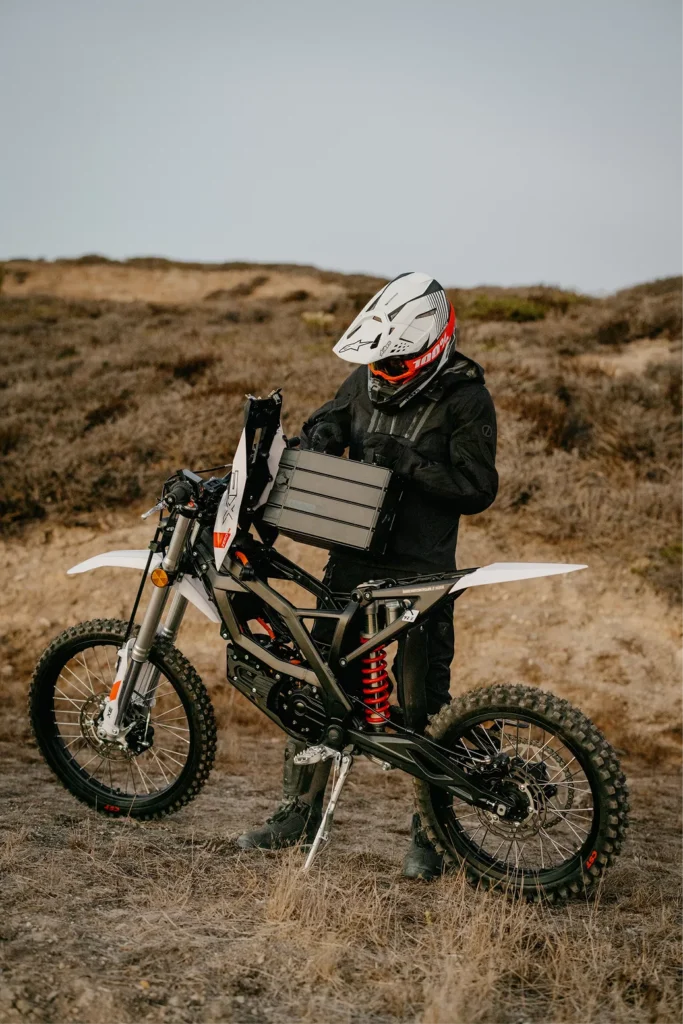
Zero’s lineup matters because it shows the company trying to hold two positions at once. The brand still lives or dies by its premium motorcycles, the ones that built its reputation and still justify the “serious electric motorcycle” label.
At the same time, Zero is now pushing into lighter, cheaper, and more accessible territory through the X Line and the LS1. That is the clearest sign yet that Zero is trying to widen the brand without weakening the part that made it valuable in the first place.
The premium core still does most of the reputational work. The S Line remains Zero’s street-facing center of gravity, with the SR/F and SR/S carrying the image of the brand as a high-performance, software-led motorcycle company rather than a commuter EV brand with a bigger battery.
The DSR/X pushes that logic into the adventure side and is still the company’s most strategically important model because it brings performance, Cypher integration, and premium positioning together in the clearest single package.
That matters because this is the part of the range that still gives Zero authority. The premium bikes are what make the company credible in police fleets, public-sector deployments, and head-to-head comparisons with LiveWire and BMW.
They are also what protect the brand from looking like just another electric two-wheeler company trying to move volume in a crowded urban market. Even the lighter FX and FXE models, which have historically been important in European fleet and authority use, still fit that same broader logic – Zero built its name by making full-size motorcycles feel legitimate first, then stretching outward from there.
The newer lower-cost products show where the company wants to go next. The X Line is the clearest sign of that shift.
Announced as the opening move in the All Access initiative, the XE and XB are not trying to carry the same job as the SR/F or DSR/X. They are there to lower the barrier to entry.
The XE opens a lighter trail and mixed-use lane with a 4.3 kWh swappable battery, while the XB drops even further into Europe’s access-friendly space with a 2.4 kWh removable battery, 45 km/h top speed, and AM licence eligibility in key markets. That is a deliberate attempt to bring new riders into the ecosystem through products that feel cheaper, simpler, and easier to justify.
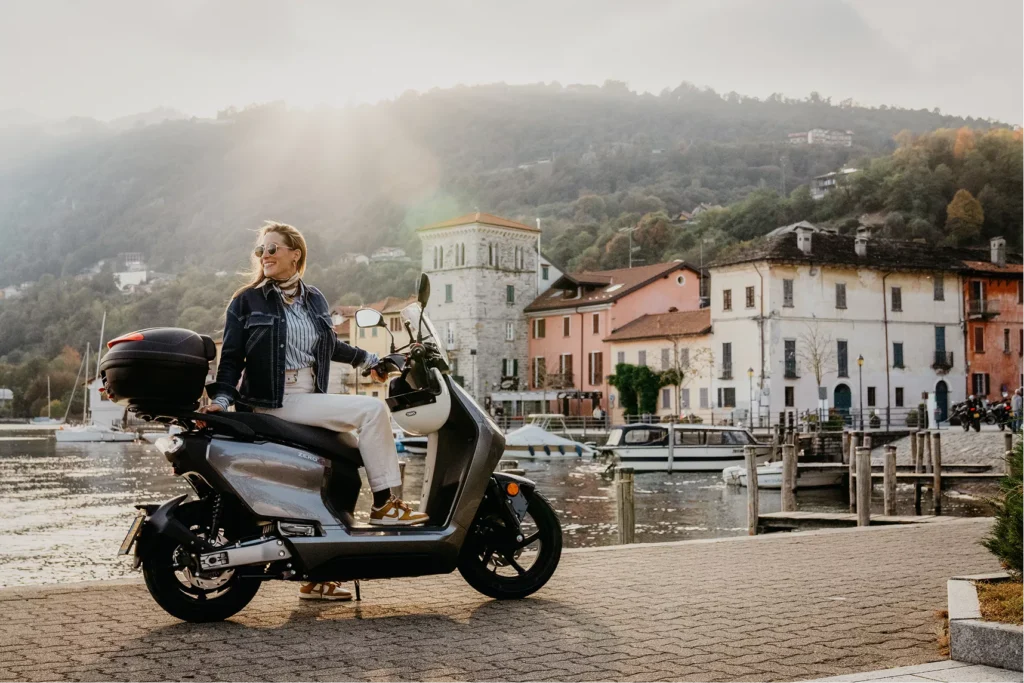
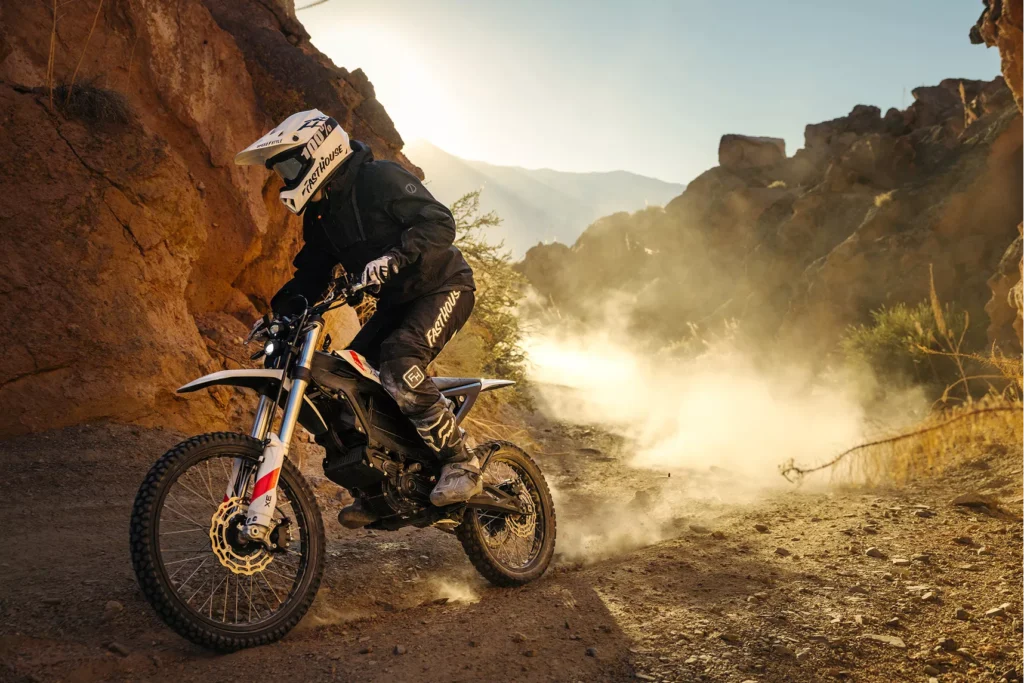
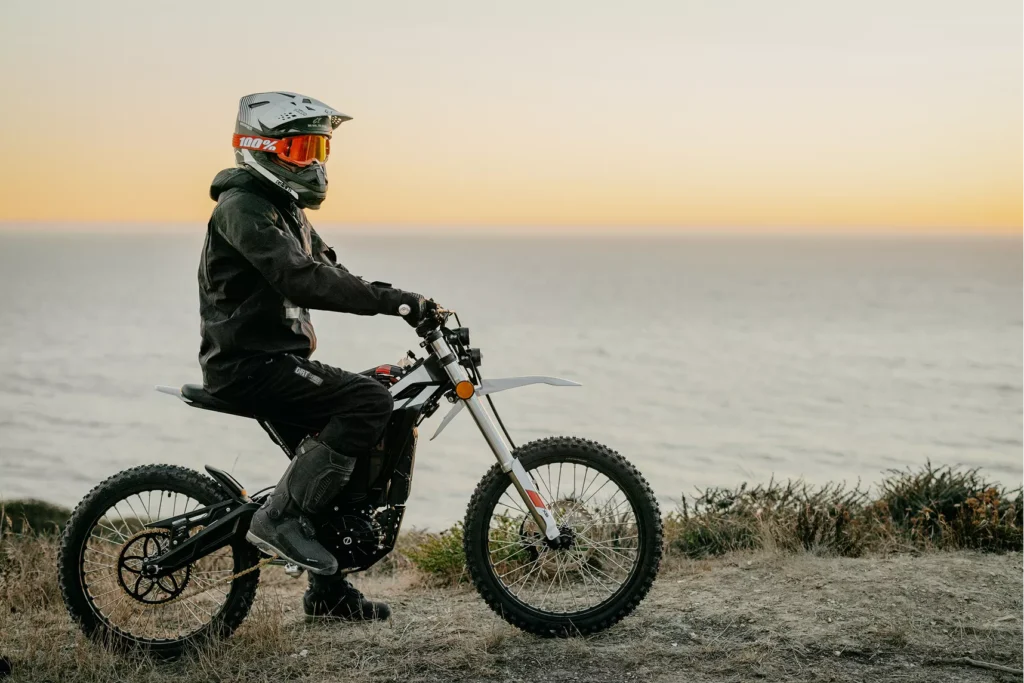
The LS1 makes that shift impossible to miss. It is Zero’s first scooter, it is explicitly Europe-first, and at €5,320 in Italy it sits in a completely different price band from the premium motorcycles that built the brand.
The LS1 uses two removable 1.86 kWh batteries, reaches 99 km/h, and goes directly after urban commuters who might otherwise buy a petrol scooter or a Chinese electric alternative. Alongside the XB and XE, it shows that Zero is no longer only trying to sell premium motorcycles, but trying to build a broader funnel without losing the identity that made the premium core credible in the first place.
That is the real reason the lineup matters. It is not just showing product breadth. It is showing strategic tension. Zero still needs the premium core to carry the brand, but it also needs the lower-cost products to bring in new riders, new use cases, and eventually more volume. The stronger the access play becomes, the more pressure there is to prove that both ends of the range can live under the same name without pulling the brand in opposite directions.
Zero’s charging story is coherent. It is also becoming harder to defend at the premium end of the market. The company has built its motorcycles around an AC-first ownership model with modular upgrades, home and depot charging logic, and software-managed battery behavior.
That works well enough for riders with predictable routines. It becomes much less comfortable once the comparison shifts to premium buyers who increasingly expect faster replenishment to be part of the package, not something they have to engineer around.
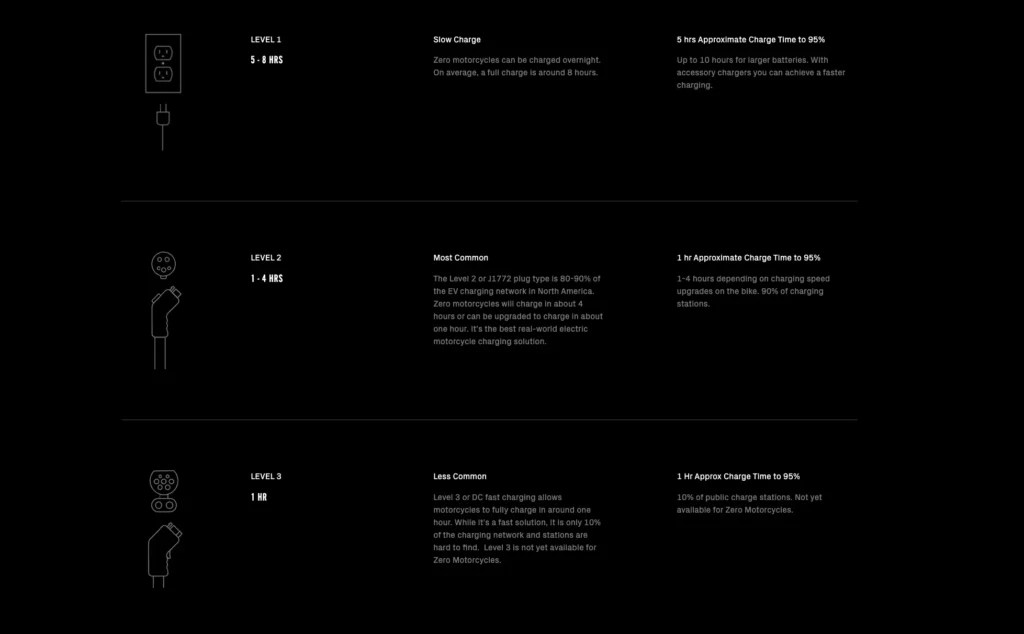
Zero’s system makes the most sense when the bike lives on a home socket, a wallbox, or a Level 2 routine. The stack is strongly AC-centric, with modular charging upgrades layered on top of the core hardware.
That is why the premium bikes make such a point of Level 2 and 6 kW rapid charging times in European spec sheets, and why accessories like the Charge Tank and Power Tank matter so much to the ownership story. They are not side options. They are part of how Zero asks riders to solve the range-and-recharge problem.
That approach gives riders real flexibility – there’s a standard onboard charging window of roughly 5–8 hours overnight across the range, a Charge Tank that can raise onboard charging capacity to 6 kW or 12 kW depending on configuration, and a Power Tank that adds roughly 3.6 kWh for about a 50% range extension.
On the larger bikes, the DSR/X is the clearest example of how well the system can work on its own terms – 2.7 hours to full on Level 2, or about 1.1 hours with the rapid charging accessory. Even the new LS1 follows the same logic at the lower end, with 800W standard charging and an optional 1,500W fast charger.
That is enough for a lot of real use. Commuters with stable routines can live comfortably inside this model. So can fleets with depots, overnight parking, and some control over how bikes cycle in and out of service.
In that sense, Zero’s charging strategy is not broken, but is built around a different idea of convenience – not rapid roadside recovery, but flexible routine ownership.
The real problem is simple – no current Zero motorcycle offers DC fast charging. And it’s clear that this is not a temporary omission, but more of an architectural constraint.
Zero’s battery packs run at roughly 100V nominal, while the CCS standard used across Europe requires a minimum vehicle-side voltage of 200V. That makes direct CCS compatibility impossible without a full battery redesign.
Zero tried CHAdeMO in 2013, ran into field inconsistency, and abandoned it. This is not a software patch away from being fixed.
That matters more now because the premium market has changed. At one point, Zero could reasonably argue that home charging and Level 2 flexibility were enough. Today, the comparison set is less forgiving.
If we contrast Zero directly with the BMW CE 04, which can reach 80% in about 65 minutes, and the LiveWire ONE, which offers 0–80% DC fast charging in 40 minutes – the conversation starts looking a bit different.
Zero’s answer is still “charge well at home, charge reasonably on Level 2, and add hardware if you need more.” That is still a workable answer, but it’s no longer an easy one.
The practical consequence depends on the rider. For urban and mixed daily use, Zero’s range can be described as “honest but not catastrophic.” An SR/S completed a 115 km one-way highway commute with 30% battery remaining, while the DSR/X lands in a real-world range band of roughly 160–290 km depending on riding style. That is enough for many owners.
The pressure builds when the use case shifts toward sustained highway riding, touring, or premium-bike expectations where shorter, more flexible stops stop feeling optional. In those conditions, the missing DC fast charging is no longer a footnote and becomes part of the ownership decision itself.
That does not make Zero’s architecture a failure. Far from it.
The market has not yet proved that CCS-equipped electric motorcycles are a commercially durable answer. Energica, the one Western premium rival that pushed hardest on DC fast charging, is now bankrupt.
So a sharper conclusion to all this is – Zero has built an electric motorcycle platform around the belief that strong AC charging, modular upgrades, and software-managed ownership can still outweigh the lack of DC fast charging.
The problem is not that this model makes no sense. The problem is that it now has to compete in a market that is becoming much less willing to grant that assumption for free.
Zero starts to look like a different kind of company once you stop judging it only by the bikes in the showroom.
A lot of electric motorcycle brands can build a fast machine and make a good launch video. Much fewer can point to police fleets, ambulance-adjacent service, and public-sector duty cycles as proof that the platform holds up when the riding is repetitive, the schedules are fixed, and downtime has consequences.
That is where Zero’s story gets more interesting. The company is not only selling premium motorcycles. In some cases, it is already selling something closer to electric two-wheeled infrastructure.
The strongest non-retail signal around Zero is not one deployment, but the pattern. The company’s own 2022 financing language said Zero was already present in more than 200 police departments and authority fleets, and the Europe-facing fleet material says there are hundreds of Zero motorcycles in use by authorities across Europe.
This is big for Zero.
That matters because it moves them out of the enthusiast lane and into a tougher category, where the bikes are being judged less as products people want and more as assets people need to keep working.
The European examples make that shift easier to see. In Spain, Zero has supplied bikes to Policía Nacional, Guardia Civil, and, most visibly, the Mossos d’Esquadra, which added 25 fully equipped DSR/X motorcycles in April 2025. This is the largest Zero DSR/X police fleet in Europe.
Italy adds smaller but still meaningful cases through Polizia di Elmas and Polizia di Pistoia, while the UK side includes public-service use with South London Ambulance Service and South Yorkshire Police.
You do not need every deployment to be huge for the point to land. What matters is that the same brand keeps reappearing in environments where availability, charging routine, and service responsiveness matter far more than category buzz.
That changes how Zero should be read. Police and authority fleets are not impressed by the same things private buyers are. They care about whether the motorcycle fits the duty cycle, whether charging works inside the shift, and whether maintenance can happen without turning a working vehicle into a dead asset. Once a brand is trusted there, it is no longer being validated only as a premium motorcycle maker, but also as a working platform.
The clearest example is not actually a police fleet. It is SERV Blood Bikes in London. SERV is a volunteer charity that provides out-of-hours courier services for hospitals, moving blood, breast milk, and medical supplies across the city.
Its shift to Zero began in 2021 with an SR/S, driven in part by ULEZ requirements, then expanded with a DSR/X adapted by Magnet Motos with a weatherproof, temperature-controlled medical container. SERV now operates three Zero motorcycles in active use.
That matters because it is a much cleaner test of usefulness than a brand partnership or a polished fleet announcement. This is mission-critical courier work, often at night, under time pressure, in a city where route reliability and charging routine both matter.
Interesting fact is that SERV is independent. If the bikes were not doing the job, it could go back to petrol. The fact that the deployment has continued for several years without publicly reported reliability failures gives it a kind of weight that ordinary launch material cannot fake.
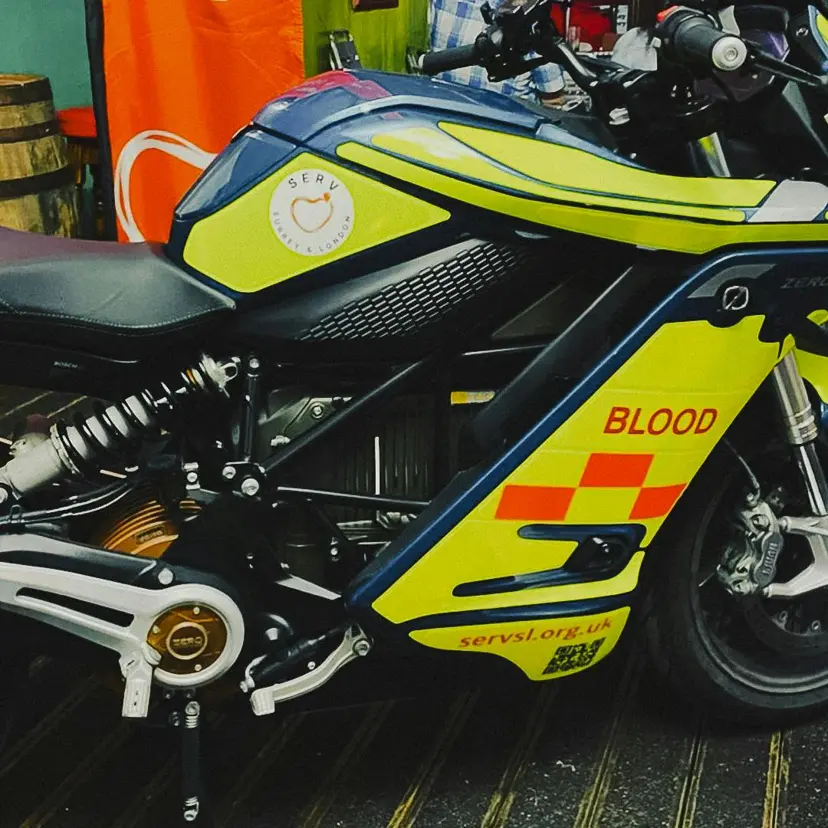
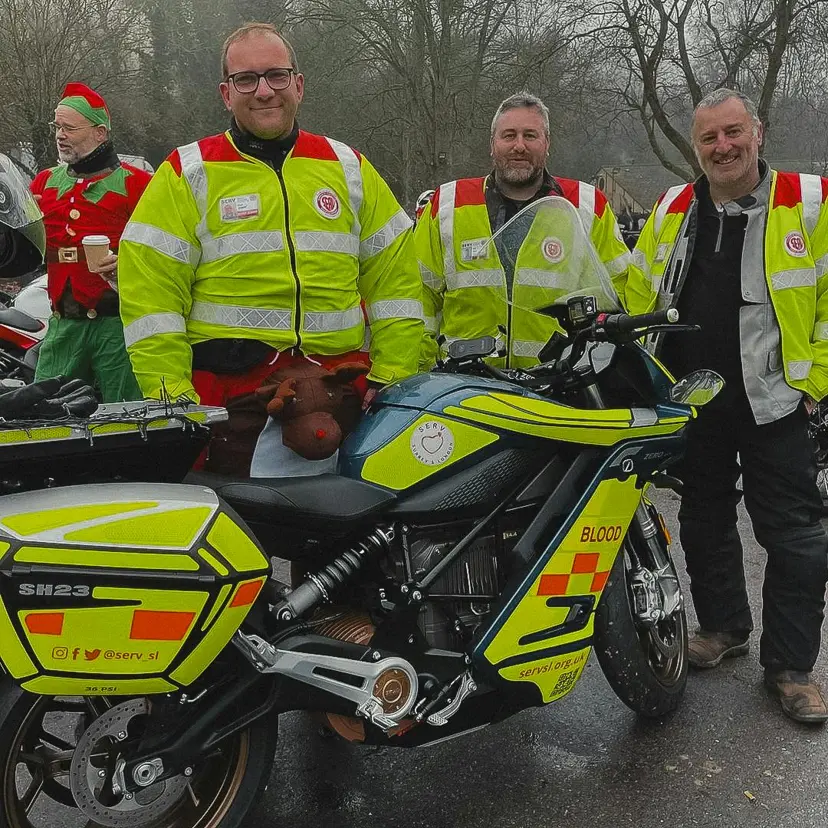
The same pattern appears at larger scale in the G20 Summit deployment in Bali, where Zero supplied 300 motorcycles for Indonesian police, armed forces, and presidential security duties. That example sits outside Europe, but it reinforces the same idea.
Once a company is trusted in escort duty, medical logistics, and public safety work, the product is being judged by a different standard. At that point, the motorcycles are no longer only being validated as things people want to own. They are being validated as machines people trust to stay operational when the work actually matters.
That is a much stronger reason to take Zero seriously than brand prestige or a fast spec sheet.
Hero and Polaris are not side stories around Zero. They may end up changing what the company actually is. If Zero were only selling premium motorcycles under its own badge, the upside would be limited by how far that part of the market can grow.
These partnerships point to a bigger possibility – Zero as a powertrain and software company whose motorcycles are only one expression of the platform. Zero’s partner strategy is best read as powertrain leverage + manufacturing scale + market access.
The Polaris deal is the clearest proof of that shift. Signed in 2020, it is a 10-year exclusive agreement covering electrified ORVs and snowmobiles, with Polaris developing, manufacturing, and selling vehicles that use Zero’s powertrain technology, hardware, and software.
Zero itself described it as the largest deal in its history, which makes sense. This was an industrial statement that Zero’s technology could travel well beyond motorcycles.
And that statement is already in the market. The first Polaris product from the partnership, the Ranger XP Kinetic, has launched, sold through its first order window quickly, and given Zero something more valuable than a press release – the proof that its underlying EV architecture can survive inside a utility vehicle sold to a different type of customer with a different kind of workload.
The Hero MotoCorp relationship pushes the same logic in a different direction. Hero is not using Zero to electrify adjacent powersports categories, but to help build scalable new motorcycle platforms.
Hero is the world’s largest motorcycle manufacturer by volume! And the collaboration is explicitly about combining Zero’s electric technology with Hero’s manufacturing scale and cost optimization capability. That matters because it points to a path Zero is unlikely to build on its own – reaching higher-volume, lower-cost segments without abandoning its technology stack.
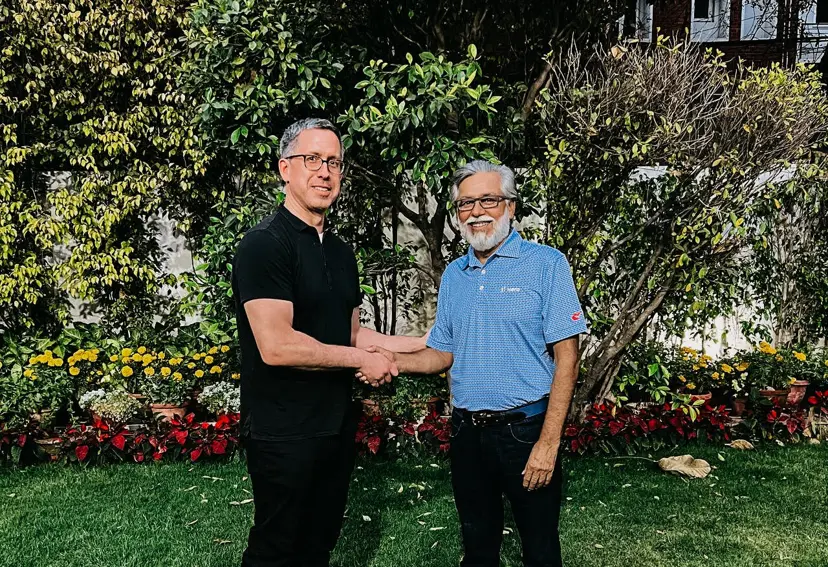
That is why these partnerships matter so much. Polaris shows Zero’s technology can travel into demanding industrial categories. Hero suggests the same core stack could also travel into much larger-volume motorcycle programs, including Europe-facing launches.
Together, they make the strongest case yet that Zero may become more important as a platform company than as a pure premium bike brand. The retail motorcycles still matter. They may just stop being the whole story.
The upside is obvious. Hero gives Zero access to manufacturing scale, lower-cost industrialization, and a much broader route into mainstream electric motorcycles than it could build alone.
Vida VXZ and Ubex concepts makes that concrete. These are not just rebadged Zero bikes. They are ground-up Hero/Vida products developed in collaboration with Zero, likely using parts of Zero’s motor, controller, or BMS architecture inside a separate chassis and product strategy.
If that model works, Zero gets something it has never really had before – real scale without having to do all the volume work under its own name.
Polaris brings a different kind of upside. It gives Zero exposure to a segment where EV performance is judged by whether the machine works under real load. That matters because it strengthens Zero’s credibility as a technology supplier, not just as a motorcycle OEM.
It also lands at an interesting moment. Polaris is becoming more focused around off-road and marine, while the off-road segment covered by the Zero deal represented 79% of Polaris sales in 2024. That makes Zero’s licensed technology look like a strategic asset inside a more concentrated Polaris portfolio.
The risk is that this wider reach starts to pull the brand in too many directions. Zero’s premium authority was built on expensive, full-size motorcycles that felt technologically distinctive and clearly above the commuter-electric layer.
It is easy to notice that the company is now carrying a brand integrity tension. The X Line’s Chinese manufacturing origin via Zongshen is flagged as one of the most under-discussed risks in the current strategy, and the LS1’s provenance appears consistent with a similarly outsourced OEM logic even if the exact source is not publicly confirmed.
Hero creates another version of the same pressure. If Zero’s technology starts appearing inside mass-market motorcycles sold by a far larger company, the upside is huge – reach, royalties, scale, and proof.
The risk is quieter but just as real. The more Zero becomes the invisible technology layer inside someone else’s volume play, the more it has to work to preserve the premium, software-led identity that still gives its own bikes pricing power and strategic weight.
That is the balancing act underneath the whole section. Hero and Polaris could become Zero’s strongest growth engines. They could also force the company to answer a harder question than anything in its early years: is Zero ultimately building a premium motorcycle brand, a powertrain platform, or both at once?
Zero has already proved enough to stay relevant. The company has real motorcycles, real software, real fleet credibility, and real partner leverage. The question now is whether all of those strengths still point in the same direction as the range widens, the premium market gets less patient, and Europe keeps exposing the weak points faster than the marketing can smooth them over.
This is the pressure point sitting underneath almost everything else in the story. Zero built its reputation on expensive, technically distinct motorcycles that felt clearly separate from the commuter-electric layer.
The newer All Access push changes that. The XB arrives at €4,490, the LS1 lands around €5,320 in Italy, and both sit far below the price band that used to define the brand. That opens Zero to a much larger market. It also forces the company to prove that cheaper products can expand the brand without flattening it.
The early signals are encouraging, but still incomplete. The X Line accounted for more than 30% of North American sales and 16% of EMEA/APAC sales in 2025, while full-size model sales also rose.
That suggests the lower end of the range may be bringing in new buyers instead of simply dragging the premium core downward. But the real test is whether those buyers stay, move deeper into the range, and still experience Zero as a distinctive electric motorcycle brand rather than a logo stretched over lower-cost hardware.
That is where the sourcing question starts to matter. The X Line’s Chinese manufacturing origin via Zongshen is one of the least discussed risks in Zero’s current strategy, which suggests that the LS1 may follow a similar OEM-partner logic. That does not make either product a mistake, but it does raise the cost of getting the brand architecture wrong. The more Zero stretches downward, the more carefully it has to protect the premium authority that gives the top of the range its weight.
The second pressure point is harder to hide because it sits closer to the core product. Zero’s charging model is coherent, but it is increasingly exposed. The company still relies on an AC-first architecture built around Level 2, modular charging upgrades, and software-managed battery behavior.
That can work very well for riders with stable routines, home charging, or depot access. It becomes harder to defend when the comparison shifts to premium buyers who increasingly expect faster replenishment to be part of the package.
That is why Europe matters so much here. The market makes the contradiction visible quickly. LiveWire ONE puts DC fast charging on the table. BMW CE 04 brings quick charging into a premium urban product. Swap-first players solve the “where do I charge?” problem more directly in dense cities.
Zero’s answer is different. It is betting that software, dealer support, Level 2 practicality, and modularity can still carry enough weight to offset the missing charging mode. That is a serious bet, and it may still work. It is just no longer an option the market will quietly excuse.
Support quality makes the same question sharper. The service scale is the silent KPI, especially now that Zero’s manufacturing and sourcing story is more distributed across Scotts Valley, IMI in Laguna, and, for the X Line, China via Zongshen.
If parts flow, warranty handling, and workshop competence vary too much country by country, the ownership case can weaken fast. Europe is usually where that kind of weakness becomes visible first.
So that is what to watch next.
Not whether Zero has the technology. It clearly does. Not whether the company has earned credibility. It clearly has. The real question is whether Zero can keep all of it aligned – the premium bikes, the cheaper entry products, the AC-first charging model, the software layer, the partners, and the support system around them.
If that holds together, Zero undoubtedly stays one of the most important electric motorcycle companies in the market.