



From EVs and batteries to autonomous vehicles and urban transport, we cover what actually matters. Delivered to your inbox weekly.
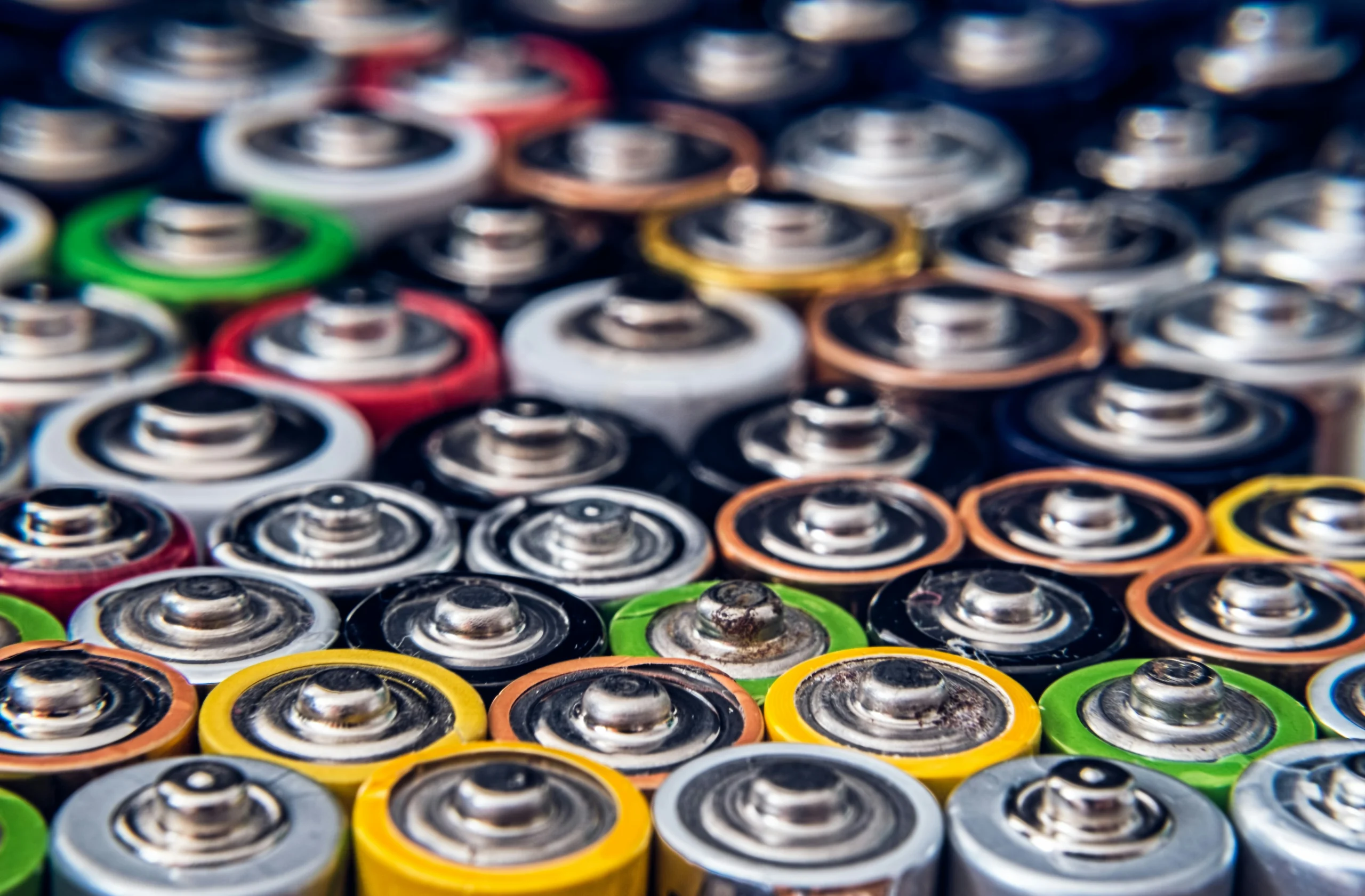
The team’s method creates a thin protective coating on lithium surfaces without using solvents that can react with the metal. This coating tackles one of the biggest problems in lithium-metal batteries: dendrites. These tiny, needle-like structures can grow during charging cycles, pierce the battery separator, and cause short-circuits or even explosions.
Instead of wet-coating methods, which risk damaging lithium’s reactive surface, the researchers used a dry, roll-based printing approach. The resulting layer is only five micrometers thick but includes both ceramic and polymer components, giving it strength and flexibility. It can be applied uniformly over large areas—up to 245 by 50 millimeters—making it suitable for commercial-scale production.
In testing, the new batteries held 81.5% of their capacity after 100 charge-discharge cycles. Under high-stress conditions, where the battery fully discharges in just nine minutes, they still retained 74.1% capacity. That’s important for electric vehicles, which need to handle fast acceleration and charging without losing performance. They also achieved 99.1% Coulombic efficiency, a measure of how effectively the battery converts energy from one form to another without losses to side reactions—a good sign for long-term durability.
Beyond lithium-metal batteries, the same transfer printing technique could also apply to emerging platforms such as solid-state and lithium-sulfur chemistries. These promise even higher energy density but have struggled with stability challenges, many of which also relate to surface degradation and dendrite formation.
As battery developers push toward higher energy density without sacrificing safety, scalable solutions like this protective layer will be critical. It reduces the trade-off between power and reliability—one of the biggest roadblocks in moving from lab breakthroughs to real-world deployment.
“`