
From EVs and batteries to autonomous vehicles and urban transport, we cover what actually matters. Delivered to your inbox weekly.
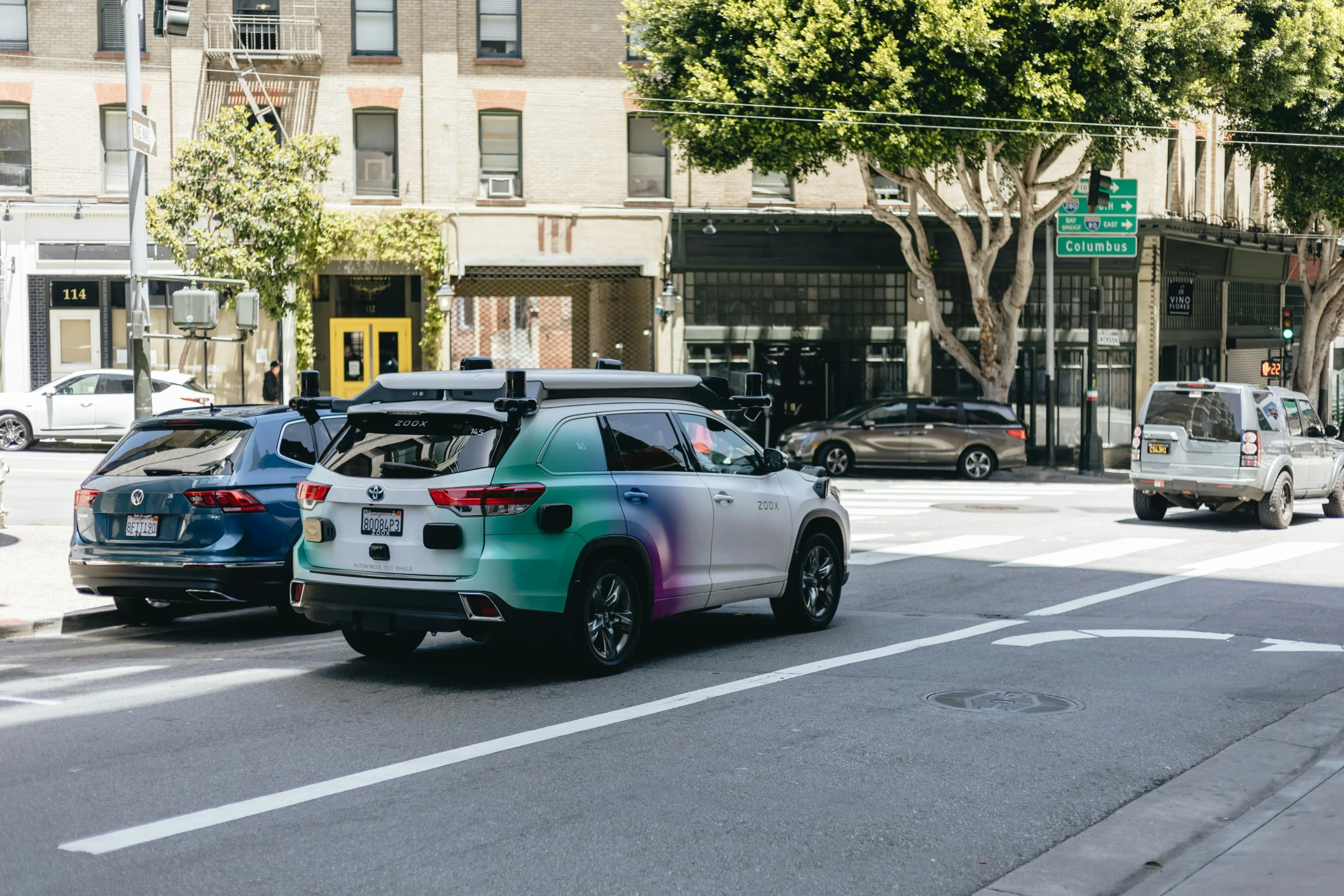
The U.S. has cleared the first fully autonomous vehicle built without a steering wheel or pedals for public roads. Zoox, the Amazon-owned robotaxi company, received a federal exemption to operate its purpose-built vehicle—marking a shift in how regulators view driverless tech.
The green light came from the National Highway Traffic Safety Administration (NHTSA) under its Automated Vehicle Exemption Program. Unlike previous exemptions for modified vehicles, this marks the agency’s first approval of a clean-sheet design with no driver controls—built from the ground up to be operated solely by software.
Zoox first unveiled the vehicle in 2022. It seats four, is symmetrical front to back, and avoids any legacy architecture like steering columns or dashboards. This isn’t a repurposed SUV—it’s a dedicated autonomy platform. Now, with the exemption in hand, Zoox can run these vehicles on public roads without backup systems for human drivers.
Production is already underway. Zoox’s California facility can produce around 10,000 units annually, with the initial fleet bound for Las Vegas to support pilot operations expected before the end of 2025.
There’s political momentum behind the decision, too. Transportation Secretary Sean Duffy tied the move to the Trump administration’s broader effort to lead in self-driving technology. “America—not China—can drive the future of self-driving cars,” Duffy said, framing the exemption as both a tech and industrial policy milestone.
It’s a regulatory signal that autonomy-first hardware no longer needs to mimic human-driven vehicles to move forward.