

From EVs and batteries to autonomous vehicles and urban transport, we cover what actually matters. Delivered to your inbox weekly.
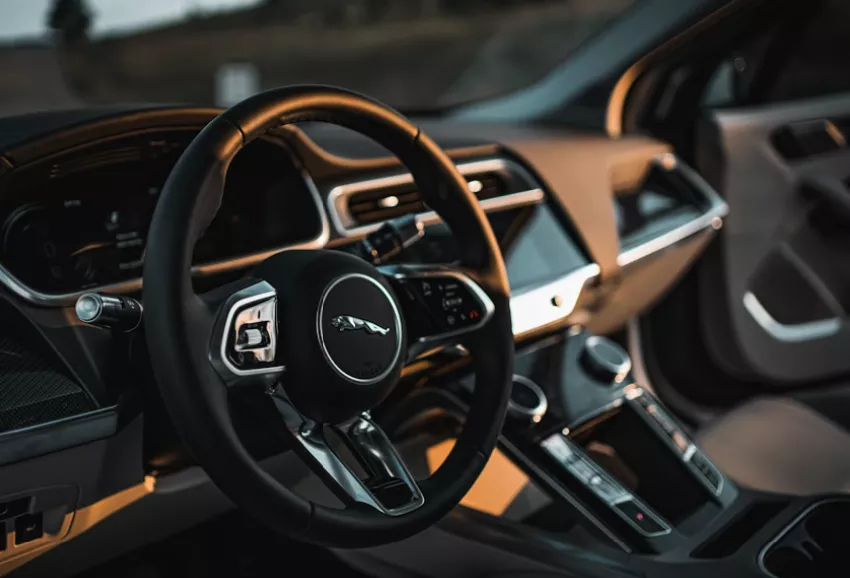
Jaguar Land Rover has delayed the launch timelines for its next-generation electric vehicles, pushing back the electric Range Rover to 2026 and shifting Jaguar’s first EV production start to August of the same year. The deferral marks a key setback for Tata Motors’ luxury subsidiary as it navigates a volatile regulatory and trade environment.
Jaguar’s all-electric reboot is also delayed. Production of its first new EV model, part of a bold brand relaunch, will now begin in the third quarter of 2026.
The company had previously positioned these models as anchors in its transition to a fully electric line-up by the end of the decade.
Since these vehicles were a major part of JLR’s mid-term growth and electrification strategy, the delays have financial implications. The company has revised down its EBIT margin target for fiscal year 2026 to between 5% and 7%, a notable drop from the prior 10% goal. Executives cite rising global tariffs and unstable market conditions as primary pressures on profitability.
JLR’s near-term sales have also taken a hit. In Q2 2025, JLR reported a 15.1% year-over-year decline in sales, an outcome partly tied to a pause in exports to the U.S. market. The interplay of delayed launches, disrupted trade routes, and high input costs presents a challenging calculus for a company trying to reposition itself with an electric-first platform strategy.
These delays signal how even premium OEMs with deep R&D commitments are exposed to the structural pressures of the global EV transition:
The launch delays push JLR’s major EV bets deeper into the second half of the decade, compressing the company’s window to compete against faster-moving rivals. With regulatory timelines tightening in key markets, execution speed is becoming as critical as product quality.
And for JLR, times are tough.